
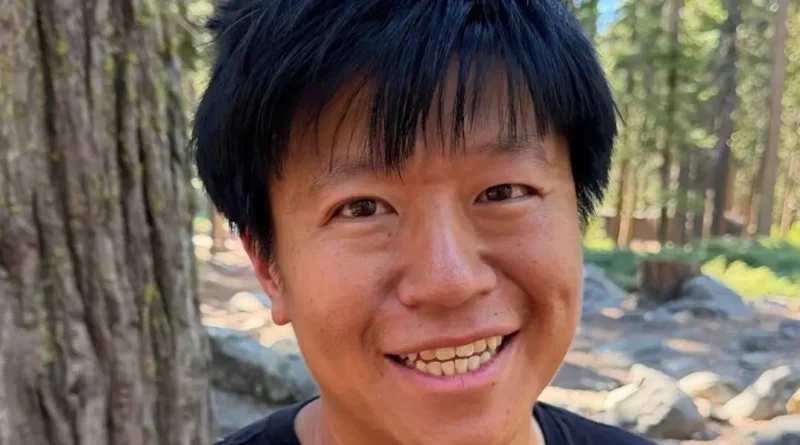
I went from wedding DJ to Meta engineer, then was laid off after 13 years. My last years there brought constant change.
This as-told-to essay is based on a conversation with Henry Chen, a former Meta tech lead who was laid off in May. He’s 38 and lives in the San Francisco Bay Area. The following has been edited for length and clarity.
After I left college, I worked as a DJ for a few years, taught myself to code, and eventually found my way to Facebook.
I started at Facebook as a contractor in 2012, and then worked my way up into a full-time engineering role. After more than 13 years with the company, I was laid off in May.
I’m grateful for everything I learned during my time at Facebook, later Meta. Overall, it was a very positive experience. But after the company’s major layoffs in late 2022 and early 2023, things started to change.
Before then, I felt our teams had the resources to build ambitious projects. Following the layoffs, the focus seemed to shift toward doing more with less. About a year and a half later, the focus seemed to shift again, with a renewed emphasis on building. Between leadership changes and shifting priorities, it became harder to know where my team was headed and what we should prioritize.
The ongoing changes were especially difficult for me because I was on paternity leave from August 2025 through near the end of the year. By the time I returned to work, the company was using AI much more extensively, there had been team and leadership shifts, and it took me some time to get reacclimated. After being away for four months, it felt like the whole company had changed.
On May 20, I learned that I’d lost my job — and that many of my colleagues had lost theirs, too.
I started looking for work before the layoff — then stopped once it happened
The layoffs themselves weren’t entirely surprising because the company had already confirmed they were coming. I was still surprised to be affected, even though I’d felt more uneasy about this round than the previous ones.
During earlier layoffs, I felt relatively secure because I believed my work was critical to the company. This time, nothing specific gave me a sign I would be affected, but the situation just felt different.
In the weeks leading up to my layoff, I’d already started looking for new roles. I was feeling a little more anxious about the possibility of losing my job, and I’d also been doing some introspection, thinking it might be time for a new chapter in my career.
Once I was laid off, my approach changed. Meta provided a generous severance package that reflected my roughly 10 years as a full-time employee. That financial cushion, combined with the start of my kids’ summer break, made it feel like the right time to take a break. I spent time with my family, tried to relax, and planned to resume my job search after about a month.
From DJ to Meta engineer
When I resumed my job search, I found myself reflecting on my career — and which types of roles to pursue.
In the early 2010s, I was pursuing a degree at San Jose State University. I planned to go into education and become a teacher, but I left school before earning my degree for personal reasons. Before leaving school, I started working as a DJ and continued for a while after, but I eventually began looking for a different career path.
I came across an AV engineering contract role that involved inspecting conference rooms. My background working with audio and video equipment made me a good fit. The coolest part was that the contract was at Facebook. I didn’t think it would turn into a career — I saw it as a way to earn some money while figuring out what to do next. I decided to give it a shot and started the role in 2012.
From there, Facebook grew quickly, and my role grew with it. Within a few years, I progressed from inspecting conference rooms as a technician to tackling more advanced work, including building out conference rooms. In 2015, I landed a full-time operations engineer role managing the collaboration technologies used in Facebook’s conference rooms.
Around 2017, Facebook’s growth accelerated further, and so did the number of conference rooms. I started experimenting with Python, despite having very little coding experience, to help solve the problems presented while scaling. I wrote a script that made it much faster to update conference room technology, and it changed the direction of my career.
Over the next several years, I transitioned into a software engineering role focused on the technology behind Meta’s conference rooms, eventually becoming a tech lead.
Read more about people who’ve found themselves at a corporate crossroads
I’m working with a coach to help with my job search
When I resumed my job search in June, I found myself split between a few different paths: roles in the collaboration technology space, where I’d spent much of my career, broader IT roles at smaller companies, and software engineering opportunities, where I could continue building on the coding skills I’d developed over the past decade.
I hadn’t interviewed for a job in 10 years, which is a long time in the tech industry. So before diving into applications, I decided to brush up on software engineering interview topics and identify any gaps in my skill set.
While I’d spent years building software at Meta, many of the tools and systems I worked on were unique to the company. To prepare for my next role, I’m strengthening my understanding of industry-standard system design by designing and building a software system from the ground up. I’m doing this with the help of a coach I found, who helps people understand system design and prepare for software engineering interviews.
I’m still looking for a new role, but am optimistic
After about a month of preparation, I’ve started actively searching LinkedIn for opportunities, reaching out to my network, and applying for jobs.
For anyone navigating a layoff or job search, I’d encourage them to think carefully about what comes next. If you have the financial flexibility, don’t feel pressured to take the first offer that comes along. I’m grateful to have the flexibility to try to find a role where I’ll continue to learn and grow.
When it comes to navigating your career, one lesson I’ve learned is to say yes to problems and look for opportunities to solve them. Every challenge I took on became a stepping stone to the next opportunity, and that’s ultimately what helped me grow from a DJ to a conference room technician to a tech lead.
Do you have a story to share? Reach out to the reporter via email at jzinkula@businessinsider.com, or via Signal at jzinkula.29.