What Houthi setbacks in Yemen mean for Iran's regional influence
TEHRAN — For Iran, the significance of the renewed fighting in Yemen extends well beyond the latest territorial gains and losses. The Houthis have been one of the Islamic Republic’s key remaining instruments for projecting power beyond its borders, particularly after the weakening of Hezbollah in Lebanon and the loss of Syria as a reliable strategic corridor.
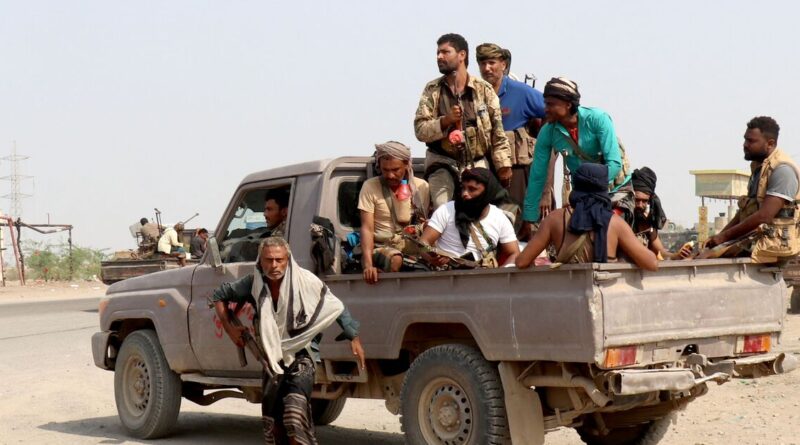
That makes the latest battlefield developments potentially more consequential than they might appear in isolation. Yemeni government forces have opened new fronts against the Houthis in the north, while Saudi-backed forces have sought to push back the group’s offensive toward the Red Sea coast. Hundreds have reportedly been killed in the latest fighting, with government forces making gains around Hays and advances against Houthi positions in Al-Jawf and Hajjah.
The precise tactical picture remains fluid amid unverified claims from both sides. But the broader strategic problem for Iran is clearer: a partner that once provided Tehran with relatively inexpensive regional reach is now dealing with much more contested power dynamics.
Iran’s regional strategy has long relied on armed groups to create multiple points of pressure around its adversaries, making a direct attack on Iran potentially costly. The weakening of Hezbollah, the fall of Bashar al-Assad in Syria and the degradation of other elements of the so-called “Axis of Resistance” have already reduced that strategic depth. The Houthis are consequently carrying a greater share of the burden, and the more important the Houthis become to Iranian strategy, the more costly a Houthi military setback becomes.
AL-MONITOR All-Access gives you unlimited access to all our journalism, the full Daily Briefing, exclusive interviews, premium newsletters, and live events — for less than $2/week.