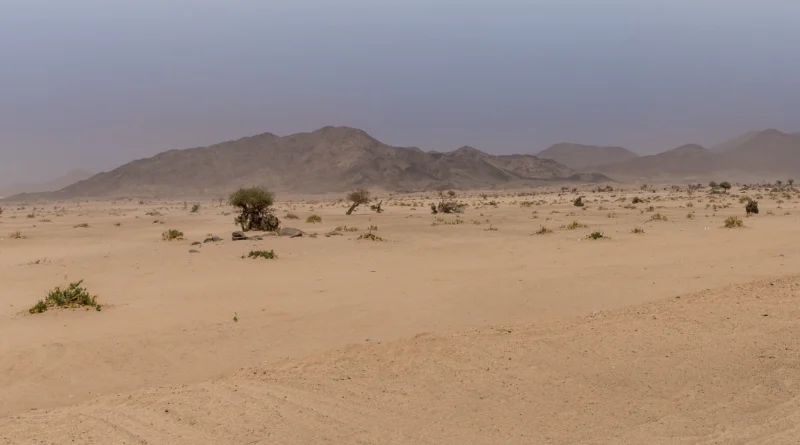
Wadi Al-Mughammas: Where Abraha's Elephant Army Halted
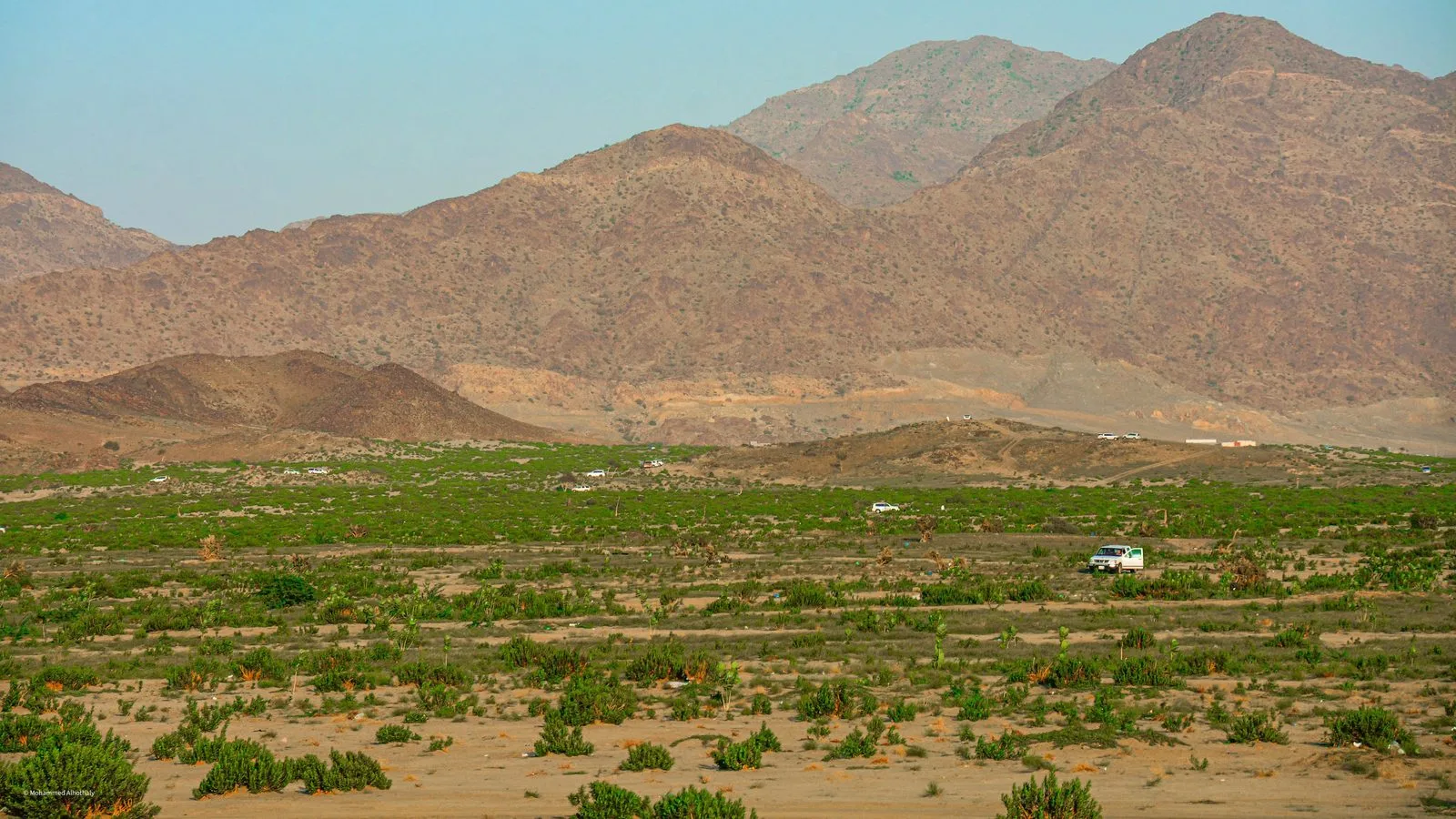
- Al-Mughammas lies roughly three miles from Makkah and served as Abraha’s camp before he marched on the Kaaba.
- Abraha’s guide, Abu Rughal, died at Al-Mughammas and was buried there; Arabs later stoned his grave.
- Abraha’s forces seized two hundred camels belonging to Abdul Muttalib, the Prophet’s grandfather, from this valley.
Abraha, the Christian ruler of Yemen under the Kingdom of Aksum, marched on Makkah with an army that included the elephant Mahmud, intending to destroy the Kaaba. On the way, the people of Ta’if sent a man named Abu Rughal to guide Abraha’s forces toward Makkah.
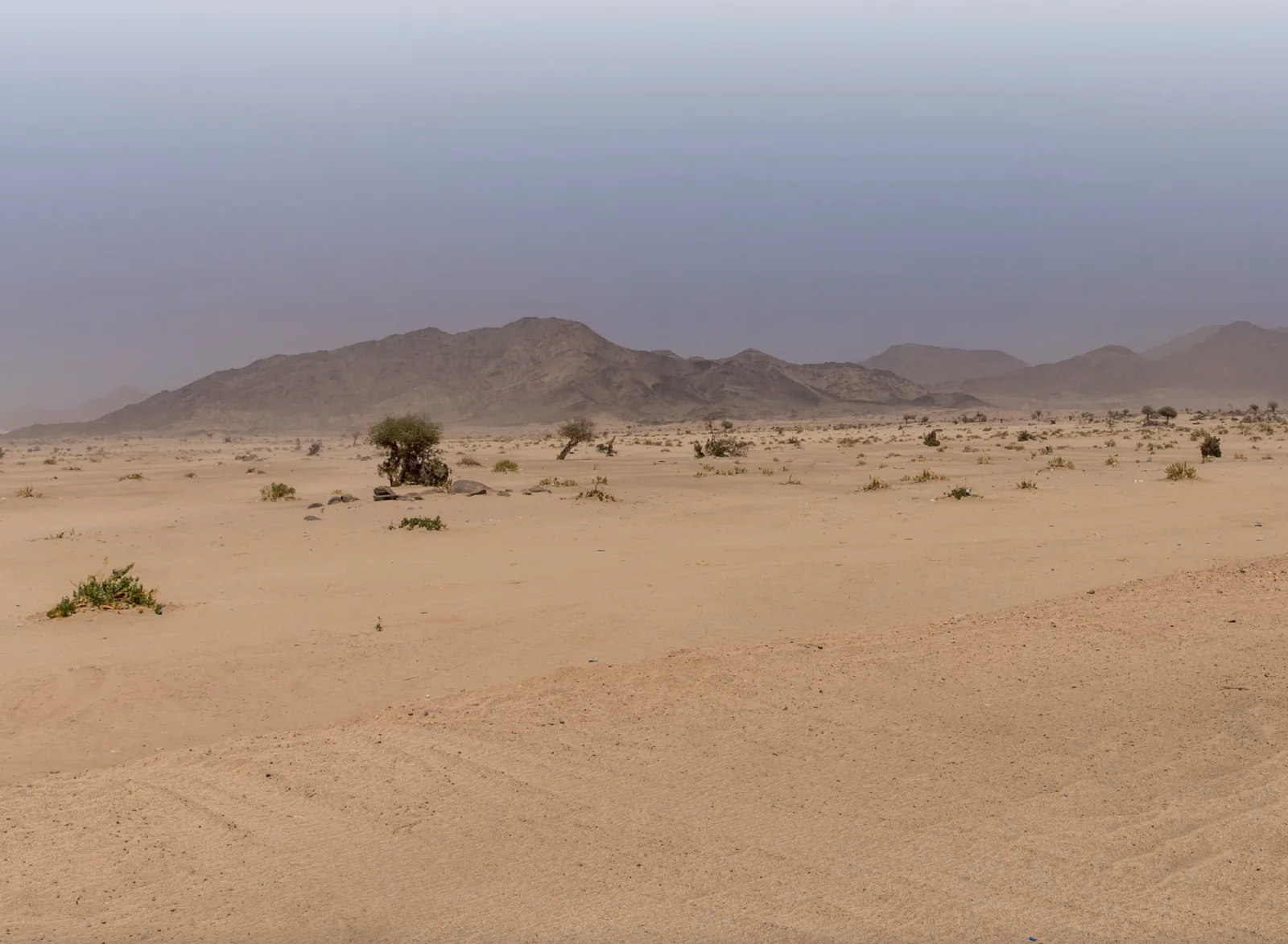
Abu Rughal’s Death at Al-Mughammas
When the army reached Al-Mughammas, Abu Rughal died. The Arabs buried him there, and it became a custom for people passing through to stone his grave.
The Camp and the Raid on Quraysh Camels
Al-Mughammas served as pasture land for the camels of the Quraysh. From this camp, Abraha sent a raiding party ahead, which seized property from the people of Tihamah and Quraysh, including two hundred camels belonging to Abdul Muttalib, the grandfather of Prophet Muhammad ﷺ and leader of the Quraysh at the time.
Abdul Muttalib’s Meeting With Abraha
Abraha sent an envoy to Makkah with a message that he had not come to fight its people, only to destroy the Kaaba, and that no resistance would mean no bloodshed. Abdul Muttalib went to Abraha at Al-Mughammas, but asked only for the return of his camels, leaving the Kaaba’s protection to God.
The Elephant’s Refusal to Advance
The next morning, Abraha positioned Mahmud at the front of his army and turned him toward the Kaaba. The elephant knelt and would not move, even when struck with iron bars and hooks.
When turned toward Yemen or any other direction, Mahmud walked freely; pointed toward Makkah, he refused every time. Soon after, birds described in Surah Al-Fil struck the army with stones, and Abraha’s campaign ended in defeat. This event gave its name to the Year of the Elephant.