Umar Yamaoka: The First Known Japanese Muslim to Perform Hajj in 1909
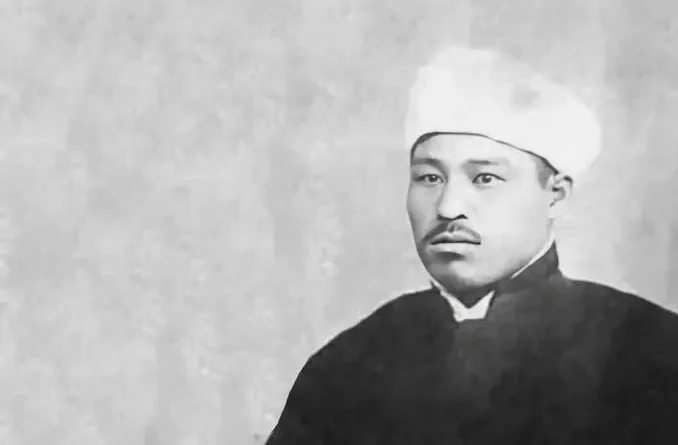
In 1909, Umar Yamaoka left Japan for Mecca to perform Hajj, becoming the first Japanese pilgrim known to have completed the journey. His trip was an important chapter in the early history of Islam in Japan.
Yamaoka travelled alongside Abdurreshid Ibrahim, a Muslim scholar who visited Japan and sought to build stronger connections between the country and the Muslim world. Their journey took place at a time when Islam was still unfamiliar to much of Japanese society.
From Japan to the Holy City of Mecca
Yamaoka’s pilgrimage brought him to one of the most important destinations in the Muslim world. His journey also gave him firsthand experience of Muslim communities and religious life beyond Japan.
He returned to Japan in 1910 and later published a Japanese-language book about his travels in 1912. His account offered Japanese readers a glimpse of Arabia and the holy places he had visited.
His journey came during a period when contact between Japan and Muslim-majority countries was growing. Travellers, scholars and converts helped introduce Japanese society to Islam and its history.
Shōtarō Noda and the Early History of Islam in Japan
Umar Yamaoka was not the earliest Japanese person known to have converted to Islam. That distinction belongs to Shōtarō Noda, according to historical research based on surviving Ottoman records.
Noda was a Japanese journalist who travelled to Istanbul in 1891. During his stay in the Ottoman Empire, he studied Turkish, Ottoman history and Islam. He embraced Islam that year and received the name Abdülhalim.
In a 2007 academic study, researchers Nobuo Misawa and Göknur Akçadağ examined Ottoman Turkish documents to establish Noda’s conversion. Their findings identified him as the earliest Japanese Muslim whose conversion could be confirmed through historical records.
The two men are remembered for different milestones. Noda’s documented conversion dates to 1891, while Yamaoka’s Hajj journey took place in 1909.
A Chapter in Japan’s Muslim History
The stories of Umar Yamaoka and Shōtarō Noda show how early encounters between Japan and the Muslim world helped shape the history of Islam in the country.
Yamaoka’s pilgrimage connected Japan with Mecca, while Noda’s experience in Istanbul provides an earlier documented example of a Japanese person embracing Islam. Both stories remain part of the historical record of Japan’s early engagement with the Muslim world.