Trump says Iran deal could happen 'quickly' as Pakistan readies talks: What to know
President Donald Trump said on Monday that Washington’s naval blockade on Iranian shipping is “destroying Iran,” as a US delegation is expected to depart for a second round of talks in Islamabad soon amid signs from Pakistani officials that Iran is expected to participate.
In a Truth Social post, Trump rejected reports that he was under pressure to secure a deal. “I read the Fake News saying that I am under ‘pressure’ to make a Deal. THIS IS NOT TRUE! I am under no pressure whatsoever, although, it will all happen, relatively quickly,” he wrote.
He added that the current US blockade on Iranian-linked ships and ports is “destroying Iran,” saying that the country is “losing $500 Million Dollars a day.”
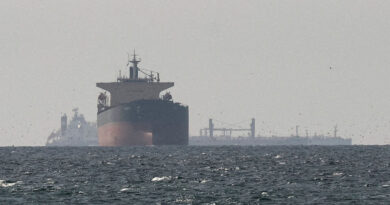
The US imposed the blockade April 13, after the first round of negotiations between American and Iranian officials in Islamabad failed to yield a deal. Shipping analytics journal Lloyd’s List reported on Monday, however, that at least 26 vessels linked to Iran’s so-called shadow fleet — a network of tankers used to transport Iranian oil — have bypassed the US blockade since it came into effect.
On Sunday, Trump announced that the US Navy had intercepted and seized the Iranian-flagged container ship Touska in the Gulf of Oman. He said the vessel “tried to get past our naval blockade” and was stopped after the USS Spruance issued warnings and fired on it. “Right now, US Marines have custody of the vessel,” Trump said, adding that it was under US Treasury sanctions for prior “illegal activity.” Tehran has called the seizure “piracy.” It is the first reported vessel capture since the blockade was imposed.
Despite heightened tensions over the Touska’s capture, a two-week truce between the United States, Iran and Israel, announced by Trump April 7, remains in effect. In a phone interview with Bloomberg on Monday, Trump said the truce expires Wednesday evening, Washington time.
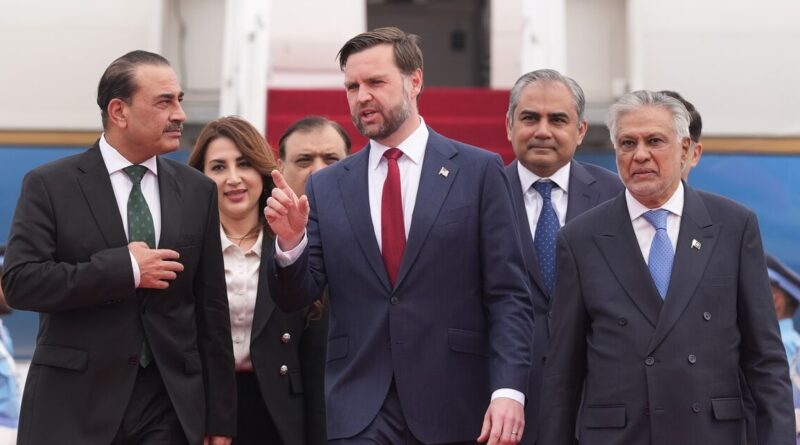
As the ceasefire expiration nears, a US delegation led by Vice President JD Vance and envoys Steve Witkoff and Jared Kushner plans to travel to Islamabad for a second round of talks soon.
A source familiar with the plans told Al-Monitor that the delegation will travel to Islamabad “soon” but did not specify the exact timing. Trump told the New York Post on Monday that he would be willing to meet with Iranian leaders himself should the negotiations yield progress.
Uncertainty still shrouds Iran’s participation in the talks. Iranian Foreign Ministry spokesperson Esmail Baghaei said Monday that Tehran had made no plans to attend the negotiations but that a final decision had not been made. Should Iran participate, its delegation is expected to be led by parliament speaker Mohammad Bagher Ghalibaf and Foreign Minister Abbas Araghchi.
A senior Pakistani government official told Reuters on Monday that Pakistan has received a “positive signal” from Iran and is trying to ensure that the Iranian side will be there when the talks begin Tuesday or the day after.
Meanwhile, a State Department spokesperson told Al-Monitor that “the United States will host a second round of ambassador-level talks between Israel and Lebanon on Thursday, April 23, at the Department of State.” Israeli Ambassador Yechiel Leiter and Lebanese Ambassador Nada Hamadeh are expected to take part.
“We will continue to facilitate direct, good-faith discussions between the two governments,” the spokesperson added.
Asharq News reported Monday that the US side is expected to press Beirut to repeal its law criminalizing contact with Israel, under which Lebanese citizens are prohibited from engaging in any dealings with Israeli individuals or entities.
Ahead of the second meeting, US Ambassador Michel Issa met Monday with President Joseph Aoun and speaker Nabih Berri following meetings in Washington with President Trump and Secretary of State Marco Rubio, the State Department said. Issa took part in the first round of talks last week in Washington.
President Aoun confirmed Monday that Lebanon’s former ambassador to the US, Simon Karam, who took part in civilian-led contacts with Israel after the two countries’ November 2024 ceasefire, will head the Lebanese delegation.