Qatar PM heads to Tehran amid flurry of regional diplomacy
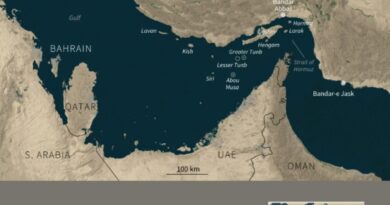
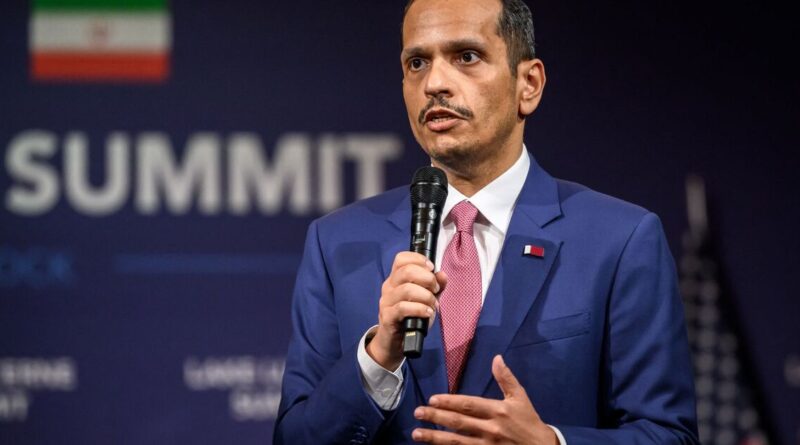
Qatari Prime Minister and Foreign Minister Sheikh Mohammed al-Thani will visit Tehran on Thursday, joining a growing regional diplomatic push to end the war and reopen the Strait of Hormuz.
Qatari government spokesperson Majed al-Ansari said Sheikh Mohammed would meet Iranian officials to discuss de-escalation and creating conditions for dialogue. He added that the talks would address “freedom of navigation in the Strait of Hormuz and the need for it to return to the status quo” before the war.
Iranian Foreign Ministry spokesperson Esmail Baghaei later confirmed Sheikh Mohammed’s visit, saying it will focus on bilateral relations and “the continuation of Qatar’s mediation efforts and initiatives, as well as other regional developments,” per a statement.
Why it matters: Qatar is one of the few regional states with direct channels to both Washington and Tehran, giving the Gulf nation a potential role in reviving diplomacy after the June US-Iran agreement collapsed the following month.
Doha helped broker that agreement alongside Pakistan and was also a key interlocutor in negotiations over the October 2025 Gaza peace plan.
The visit also carries considerable economic urgency for Qatar. The closure of the Strait of Hormuz has severely disrupted its liquefied natural gas exports, which have fallen 96% since the war began in late February, costing the country $24 billion, Reuters reported Tuesday.
Sheikh Mohammed’s trip will be his first to Iran since the war began on Feb. 28. It comes despite repeated Iranian attacks on targets in Qatar, including energy facilities, Doha’s international airport and US forces at Al Udeid Air Base. The two countries maintained cordial relations before the conflict and share the world’s largest natural gas reservoir, known as the North Field in Qatar and South Pars in Iran.
Sheikh Mohammed’s trip follows visits to Tehran by several other senior regional officials.
Omani Foreign Minister Badr Albusaidi met senior Iranian officials, including Foreign Minister Abbas Araghchi, in Tehran on Tuesday. Iran and Oman later said they had discussed a proposed framework involving a temporary navigational corridor and a joint project to clear mines from the Strait of Hormuz.
Iranian Deputy Foreign Minister Kazem Gharibabadi stressed afterward that the discussions did not mean the strait had reopened, saying the waterway remained “militarily closed.”
The Islamic Revolutionary Guard Corps-affiliated Tasnim News Agency reported Wednesday that Iran and Oman had also reached an agreement on revenues generated in the strait, though no formal deal has been announced. The Trump administration has repeatedly said it would not accept Iran imposing fees on vessels passing through Hormuz.
Pakistan has also stepped up its diplomatic efforts. Army chief Field Marshal Asim Munir and Interior Minister Mohsin Naqvi met Iranian President Masoud Pezeshkian in Tehran on Monday. Pakistan’s military said “significant progress” had been made toward ending the war and reopening the strait. Reuters reported that Munir spoke with US President Donald Trump ahead of the visit.
The regional push comes as Washington intensifies economic pressure on Tehran. The Trump administration launched a new pressure campaign against Iran on Monday, while no direct talks between the two countries are currently scheduled.
Meanwhile, traffic through Hormuz continues to fall amid Iran’s restrictions on vessel crossings and the US naval blockade. Just five vessels transited the strait on Tuesday, down from seven Monday and nine Sunday, according to Kpler. All five used the route designated by Iran.
Strait crossings remain subdued
Vessel traffic through the Strait of Hormuz and Bab el-Mandeb declined on 25 August, while the IMO verified no additional attacks. Five vessels crossed the Strait of Hormuz, down 28.6% day on day from seven. All five used the Iranian Unilateral… pic.twitter.com/BI9cFAaJRy
— Kpler (@Kpler) August 26, 2026
Know more: Iranian Army spokesperson Brig. Gen. Mohammad Akraminia told the semi-official Mehr News Agency on Wednesday that Iran is seeking answers from Qatar on the fate of three Iranian pilots who went missing over the country. Akraminia said the pilots were aboard two jets and were shot down on March 12 while carrying out strikes on a US base in Qatar. The body of one pilot was turned over, he said.
“To date, the Qatari side has responded by stating that it is unaware of the fate of these pilots,” said Akraminia. “We really want the Qatari side to pay more attention to this issue and provide a clear and documented response so that we can accept the documentation and learn about the fate of these dear pilots.”
AL-MONITOR All-Access gives you unlimited access to all our journalism, the full Daily Briefing, exclusive interviews, premium newsletters, and live events — for less than $2/week.