Oura faces lawsuit accusing it of misleading consumers about sleep-tracking accuracy | TechCrunch
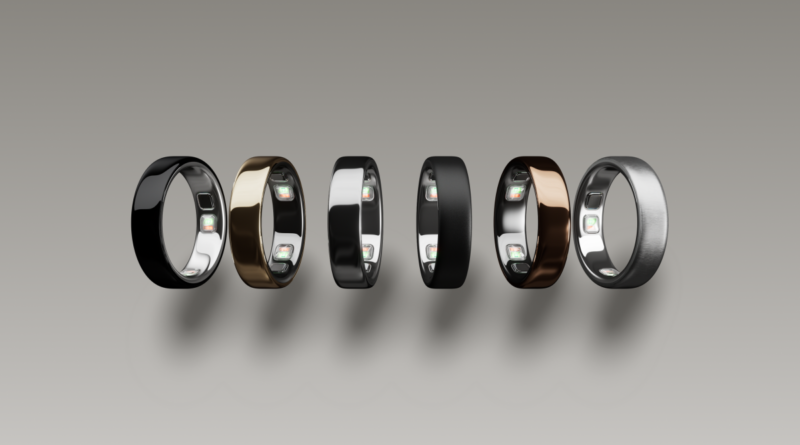
A proposed class action lawsuit is accusing smart ring maker Oura of deceiving consumers about the accuracy of its sleep tracking features.
The lawsuit, filed on Thursday by Clarkson Law Firm in San Francisco, alleges that Oura rings are unable to measure any of the physiological signals needed to assess sleep quality or determine sleep stages, and that they instead rely on AI-generated estimates that have “a coin flip’s chance of being correct,” according to the complaint.
The lawsuit follows years of Oura users taking to the internet to share their frustration with the smart ring’s sleep accuracy, with some saying they felt they slept poorly but were told their sleep had been optimal. Some have also expressed doubts about the device’s ability to monitor and detect sleep cycles.
“To capitalize on consumers’ desire for a tracker that could actually track sleep and monitor their sleep cycles, Oura sold expensive tracking rings, priced at $300 and up, advertising exactly that: that Oura rings are capable of seeing what only a hospital sleep lab can see, including the four different stages of sleep,” the complaint reads. “Oura did not just claim to measure a heartbeat or a temperature, but the exact stage of sleep the wearer is in—which in reality requires electrodes in the scalp and sensors on the eyes, as only a hospital or other clinical setting can do.”
Despite this, the complaint alleges that Oura marketed its ring as being “built for accuracy” and offering “unparalleled accuracy.” It says Oura told customers its smart rings could achieve 79% accuracy in their measurements, and more recently claimed that the rings offered 95% sleep-staging accuracy compared with clinical sleep labs.
The complaint goes on to allege that Oura cannot measure sleep or cycles because “sleep happens in the brain, not on one’s finger.”
Oura did not immediately respond to TechCrunch’s request for comment.
“When people rely on a device to guide decisions about their health, misinformation cannot be tolerated,” said Ryan Clarkson, co-founder and managing partner at Clarkson Law Firm, in an emailed press release. “Oura users trust that the numbers on their screen reflect reality. People structure their days, interpret the way they feel, and design their lives around inaccurate figures spit out by these devices. Marketing an inaccurate sleep tracker as precise and reliable is dangerous because people believe it – and change their behavior accordingly.”
The complaint calls on Oura to stop deceiving consumers by falsely advertising its wearables as having capabilities they don’t deliver. It also seeks injunctive relief to prevent Oura from continuing to misrepresent its products, as well as restitution for consumers who purchased the products based on those allegedly false claims.
When you purchase through links in our articles, we may earn a small commission. This doesn’t affect our editorial independence.