Israel Says Netanyahu Made a Secret Trip to U.A.E., Which Says He Didn’t
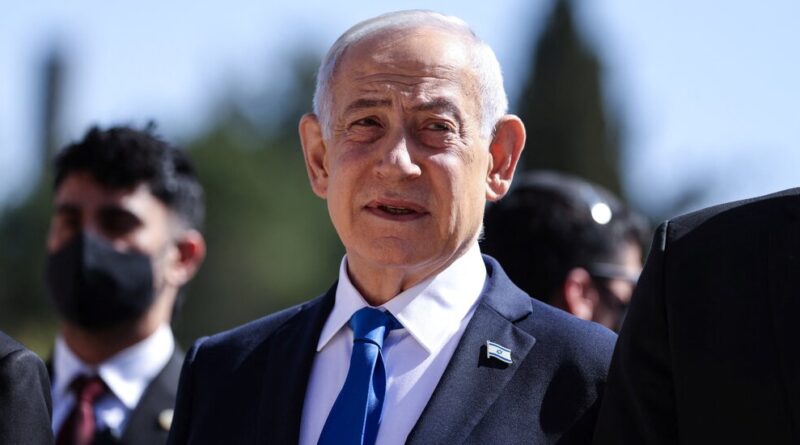
At the height of Israel’s military campaign in Iran this spring, Benjamin Netanyahu, Israel’s prime minister, “paid a secret visit” to the United Arab Emirates to meet its leader, according to a statement released Wednesday by the Israeli leader’s office.
But hours after the statement was published, the U.A.E. denied that the visit had taken place.
The back and forth showcased the sensitivities over the relationship. The Emiratis, who bore the brunt of Iran’s attacks on its neighbors throughout the war, have doubled down on an alliance with Israel, deploying Israeli defense systems and exchanging high-level leadership calls. But public opinion in the Arab world remains largely anti-Israel.
Iran weighed in, too, with a warning. In a social media post, Abbas Araghchi, Iran’s foreign minister, said “collusion with Israel” is “unforgivable.” He then vowed that those working with Israel “will be held to account,” but didn’t directly name the Emirates.
Mr. Netanyahu’s office did not specify when the visit took place, how he traveled nor what he discussed with Sheikh Mohamed bin Zayed, the Emirati leader. It said the visit “brought a historic breakthrough in relations,” between the U.A.E. and Israel, the statement said.
The Emirati foreign ministry and the government’s Emirates News Agency later issued a statement that the government “denies reports circulating regarding an alleged visit by Israeli Prime Minister Benjamin Netanyahu to the UAE, or receiving any Israeli military delegation in the country.”
The country conducts its relations with Israel publicly, the statement said, so “any claims regarding unannounced visits or undisclosed arrangements are entirely unfounded unless officially announced by the relevant authorities in the UAE.”
The Emirates has faced more Iranian drone and missile strikes than any other country since the U.S.-Israeli war with Iran began on Feb. 28. Those attacks have battered energy facilities, airports and hotels, and killed at least 10 civilians.
Iranian officials have repeatedly criticized the Emirates over its close ties to Israel, which it first established in 2020 through the Abraham Accords. But Iran’s attacks on the U.A.E. seem to have driven the Emiratis closer to Israel.
In May, Iran’s foreign ministry warned that Abu Dhabi would face “dangerous consequences” unless the Emirates pulled away from Israel and the United States. Hours later, Mr. Netanyahu called Sheikh Mohamed to express solidarity after the Gulf nation reported a renewed Iranian missile and drone assault earlier in the week.
It was reported last week that Israel had deployed its Iron Dome air defense system in the Emirates, the first time the system was known to have been used to defend an Arab country. Mike Huckabee, the U.S. ambassador to Israel, confirmed the deployment on Tuesday.
“Can I say a word of appreciation, deep appreciation and admiration for the United Arab Emirates?” said Mr. Huckabee at a conference in Tel Aviv. “They were the first Abraham Accord member, but look at the benefits they have had as a result.”
The accords were particularly coveted by Israel as a major step toward greater integration into the Middle East, where Arab countries had long isolated Israel.
Since the agreement, Israeli tourists and investors have poured into Dubai, the biggest city in the Emirates, and technology and energy companies have signed new deals. Mr. Netanyahu has had multiple plans over the years to pay an official visit to the Emirates, but none had materialized.