Fueled by regional rivalries, Algeria severs diplomatic ties with UAE
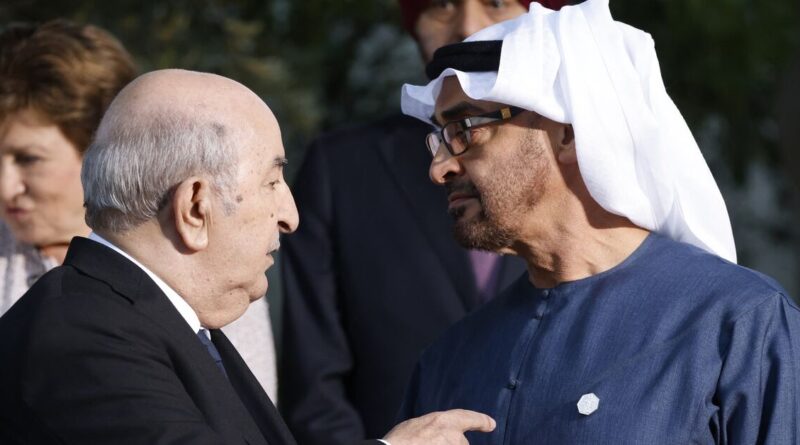
Algeria announced on Thursday that it was severing five decades of diplomatic relations with the United Arab Emirates as tensions between the two countries stretching from Western Sahara to the Sahel and fueled by regional rivalries boiled over.
What happened: Algeria accused the UAE of “provocative or hostile actions.” Algeria’s Foreign Ministry said in a statement that Abu Dhabi “has persisted in its excesses with these actions, which have reached limits that can no longer be considered acceptable or tolerable.”
It went on, “Accordingly, and after exhausting all avenues capable of preserving bilateral relations, the Algerian government has decided, this day, to sever diplomatic relations with the United Arab Emirates.”
Algerian authorities summoned UAE Ambassador Yousef Saif Khamis Subaa Al-Ali and gave him 48 hours to leave the country, according to the statement.
On Wednesday, a day before the rupture, the country’s Algeria Press Service described the UAE as the “conductor” behind regional crises and conflicts, citing its financial support for influential local actors and networks across Africa and the Middle East.
Reached by Al-Monitor, the UAE Foreign Ministry was not immediately available for comment.
🔴بيان وزارة الشؤون الخارجية إزاء تزايد التصرفات الاستفزازية أو العدائية الصادرة عن دولة الإمارات العربية المتحدة، تحلّت الجزائر بقدر كبير من ضبط النفس وبحسّ عال من المسؤولية. ولم تدّخر، انطلاقا من روح الاحترام الكامل للمبادئ التي تحكم العلاقات بين الدول، أي جهد في لفت انتباه الجانب الإماراتي وتحذيره من العواقب الوخيمة التي قد تترتب عن سلوكياته المؤسفة وغير المبررة. وعلى الرغم من هذه التحذيرات العديدة، واصلت دولة الإمارات العربية المتحدة تماديها في هذه التصرفات التي بلغت حدودا لم يعد من الممكن معها اعتبارها مقبولة أو قابلة للتحمّل في إطار العلاقات القائمة بين دولتين ذاتي السيادة، أو أن تبقى من دون رد. وعليه، وبعد استنفاد جميع السبل الكفيلة بالحفاظ على العلاقات الثنائية، قررت الحكومة الجزائرية، هذا اليوم، قطع العلاقات الدبلوماسية مع دولة الإمارات العربية المتحدة. تم استقبال سفير الإمارات العربية المتحدة بمقر وزارة الشؤون الخارجية، هذا الخميس، 10 سبتمبر 2026، أين تم تبليغه رسميا بفحوى هذا القرار. كما تم إعلامه بأنه قد منح مهلة قدرها 48 ساعة للامتثال لهذا القرار.
— Radio Algeria international إذاعة الجزائر الدولية (@radioalginter) September 10, 2026
Background: The rupture followed a sharp deterioration in relations over the past years. Algerian President Abdelmadjid Tebboune had repeatedly taken shots at Abu Dhabi.
In October 2025, Tebboune said Algeria had good relations with every Gulf country “except one,” in a thinly veiled jab at the UAE.
Tebboune described Algeria’s ties with Saudi Arabia, Kuwait, Oman and Qatar as “brotherly” while accusing the unnamed country of interfering in Algeria’s internal affairs and seeking to destabilize the country. “The problem is with whoever wants to sow chaos in my home for dubious reasons,” he said.
Why it matters: Among the main sources of tension in the Algeria-UAE relationship is Abu Dhabi’s close strategic partnership with Morocco, Algiers’ historic nemesis, with which it is locked in a decades-old dispute over Western Sahara. Morocco claims sovereignty over the territory, while Algeria backs the Polisario Front, which seeks an independent Sahrawi state.
In 2020, the UAE became the first Arab country to open a consulate in Laayoune, the largest city in Moroccan-controlled Western Sahara. The Emirati state news agency WAM said at the time that the move represented a “concrete expression” of Abu Dhabi’s support for Moroccan sovereignty over what Rabat calls its southern provinces.
Morocco and the UAE have been increasing their cooperation since the 2020 Abraham Accords, under which Abu Dhabi normalized relations with Israel and Rabat later restored ties with the Jewish state.
Abu Dhabi-Algiers ties began deteriorating after the signing of the 2020 Abraham Accords, which Algeria strongly opposed. Algeria does not have diplomatic relations with Israel and has been critical of the UAE and Morocco’s normalization with the country.
Tensions between Algeria and the UAE have also extended into the Sahel region, which Algeria sees as a security perimeter. Algiers has been wary of the UAE’s growing cooperation with the Sahel countries. In the 2010s, Abu Dhabi signed a series of security agreements with Mali and Burkina Faso.
Know more: The UAE and Algeria established diplomatic relations in 1976, five years after the Emirates’ formation. Algeria was among the first countries to recognize the federation.
Algeria’s embassy in Abu Dhabi was still describing the relationship as “historically rooted” as of this writing.
AL-MONITOR All-Access gives you unlimited access to all our journalism, the full Daily Briefing, exclusive interviews, premium newsletters, and live events — for less than $2/week.