![Female Scholarship In Islam: A Living Legacy [Part 1]](https://themuslimpress.com/wp-content/uploads/2026/07/Female-Scholarship-In-Islam-A-Living-Legacy-Part-1-800x445.jpg)
Female Scholarship In Islam: A Living Legacy [Part 1]
Female scholarship is not a relic of the past, but a living tradition that continues to enrich, guide, and strengthen Muslim communities around the world.
Historical Fact
In the realm of Islamic scholarship, female scholarship is sometimes defined as Islamic teachings that are transmitted by a woman scholar or female student of knowledge with an unbroken chain stretching all the way back to the Prophet ﷺ. This has always been part of our Islamic heritage. The earliest and most famous female scholar is none other than our Lady Aisha bint Abu Bakr (RA), the youngest wife of the Prophet ﷺ. She narrated over two thousand hadiths over the vast spectrum of sacred law.
A Common Misconception
There is a troubling misconception in some circles that female scholarship is now a thing of the past, and no longer what it used to be. There is a claim that there are not many female memorizers of the Qur’an, fiqh teachers, experts on hadith, and so on. Nothing could be further from the truth.
Keep supporting MuslimMatters for the sake of Allah
Alhamdulillah, we’re at over 850 supporters. Help us get to 900 supporters this month. All it takes is a small gift from a reader like you to keep us going, for just $2 / month.
The Prophet (SAW) has taught us the best of deeds are those that done consistently, even if they are small.
Click here to support MuslimMatters with a monthly donation of $2 per month. Set it and collect blessings from Allah (swt) for the khayr you’re supporting without thinking about it.
Female scholars exist. Not only do they exist, they are busy teaching. Many female scholars are doing the incredible work of raising their own families throughout their seasons of life, and teaching and learning along the way with the support of their husbands and/or families.
There are also female scholars who are unmarried, divorced, widowed, or don’t have children – what connects all of them is a deep love for Allah, His Prophet ﷺ and a passion for teaching and upholding sacred law. In both the Muslim heartlands all over the world and diaspora Muslim communities in the West, you will find female scholars and their students.
Connecting Women with Scholarship Today
What may be harder in this age of so much fragmentation is connecting female students with female scholars in person. However, the beauty of the online world is how much we can access female scholarship online. Rabata has recently launched The Ribāṭ university for women. There are other women-only resources such as Gems of Light, Jannah Institute, Al-Huda Institute in North America. Daar Aisha College is another example of a women’s-only Islamic centre in Australia.
There are also many institutions in North America such as Tayseer Seminary and Qalam Institute which serve both male and female students, and have male and female teachers, as well as Isra Academy in Australia.
This intentional accessibility for women across all ages is a very strong contributing factor to the following: women’s Islamic education, women’s strong relationship with the masjid as an institution, and a training ground for young children to be accustomed to women’s presence and activity within the masjid.
I have never, ever, been barred from entry in any masjid in Malaysia, alhamdulilah, and I’m so grateful I have never had to enter a creepy back entrance to enter the women’s prayer area.
There are many brilliant asatizah and shaykhaat teaching in Islamic universities, private institutions, and schools. My children attend a local Malaysian government school and amongst their favourite teachers are the kind ustadhs and ustadhas. However, it’s not perfect here either, and there is always room for improvement.
The Reality of Female Scholarship
Some male scholars being unaware of female scholarship does not negate its existence. Many Muslims – both men and women – aren’t aware of the historical and ongoing legacy of female scholarship. It simply isn’t considered a big enough priority. There isn’t enough uplifting of female scholarship in general.
This is directly connected, in my opinion, to the fall of the caliphate and post-colonial brainwashing. Both of these disasters continue to have a direct impact on every single part of the Islamic reality, including awareness of and access to female scholarship. Shaykh Muhammad Akram Nadwi and his groundbreaking book “Al-Muhaddithat” is a must-read for everyone for highlighting the rich history of female Islamic scholarship.
Alhamdulilah, Islamic scholarship that we see today is directly connected to the contributions of past female scholars such as Aisha (may Allah be pleased with her) as well as present day female scholars and students of knowledge. Our deen is a dynamic one which responds to present-day realities e.g. the epidemic of secret second marriages, zakat scandals etc.
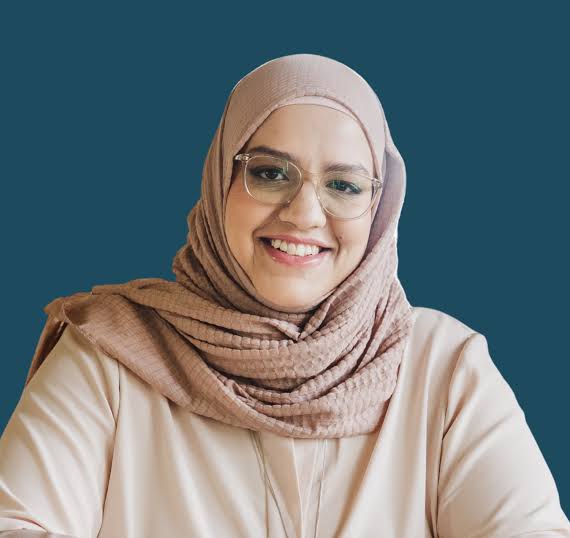
Dr. Mariam Sheibani
Female scholars have answers and invaluable contributions to these deeply problematic issues. Dr Mariam Sheibani has a brilliant research paper on secret second marriages Deceptive Debauchery: Secret Marriage and the Challenge of Legalism in Muslim-Minority Communities and many other brilliant publications.
Dr Deina Abdelkader, Dr Zainab Alwani and Dr Tamara Gray were amongst the female scholars who wrote the extremely important Dissenting Opinion to the Council’s Position on Zakāh.
Many, many female scholars and students of knowledge all around the world signed off on the Statement Against Abuse: The Female Scholars Network. We exist. We are here, and inshaAllah, we are not going away.
The Importance of Lived Experience
Female scholars offer something male scholars simply do not: the lived experience of embodying the deen, throughout all our different seasons of life. Female scholars offer girls and women of all ages the gift of understanding the correct application of sacred law in our daily lives. We also model study and career possibilities for our daughters, and normalise the pursuit of Islamic knowledge for our sons.
From the arrival of our menses in our teens, to the fiqh questions that come up when we are newly married or pregnant, to the grief that comes with pregnancy loss – these seasons of life can only be deeply understood by a female scholar who has experienced the same. These are all powerful opportunities to turn to Allah, and what better way than through the guidance of a female scholar who has walked that same path?
Safety and Accountability
Not only do female scholars add to the rich tapestry of what Islam has to offer, but it is often a much safer option for children and women to study with them. We can no longer ignore the tragic realities of so many sexual scandals with male scholars. Only Prophets are protected from sin. The unquestioned power and authority given to male scholars in positions of religious leadership create environments ripe for abuse. Mohammad Saleem’s abuse of children is a horrific example. More recently, an imam in New York was arrested for molesting two young girls on the masjid property.
This is not to say that all male scholars should be treated with suspicion, but it’s important to be aware that abuse exists in our communities too and to put measures in place to prevent this from happening. Shaykh Danish Qasim and Danya Shakfeh, Esq. from In Shaykh’s Clothing have developed a Code of Conduct for Islamic Organisations and a contract to help safeguard Muslim communities from abuse. The use of contract law can hold abusers accountable, and dissuade potential abusers from thinking they can get away with it. These systems can be put in place well ahead of time e.g. doing background checks on every single potential teacher long before any children are harmed.
Although there are a minority of Muslim women who also abuse other women and children and enable male abusers, we have seen far too many reported incidents of male teachers who have grossly abused their power. The reality is that most abuse is not reported, so what we see in the news is actually the tip of the iceberg. Muslim communities worldwide need to continue having discussions and building awareness about abuse so we can protect our most vulnerable.
The Hurma Project is also an incredible resource, driven by God-centered academic research by Dr Ingrid Mattison and Dr Rania Awaad. Maristan also offers resources for mental health care for Muslims affected by abuse.
Real-World Impact
Female scholars offer compassionate solutions for real-world difficulties that women face – challenging in-laws, inheritance squabbles, infertility struggles and bereavement, to name a few. When handled poorly by well-meaning but clumsy male scholars, so many of these issues can end up driving Muslim women far away from Islam.
This fatwa on whether or not a woman can work, at first glance, looks harmless. But how common is it in the West, especially, to find a women-only work space? What if she does not have male mahrams she can count on to look out for her? Limiting her access to work will not help her. Over, and over again, incorrect interpretations of Islam have led to devastating cruelty to women and children in the name of God.
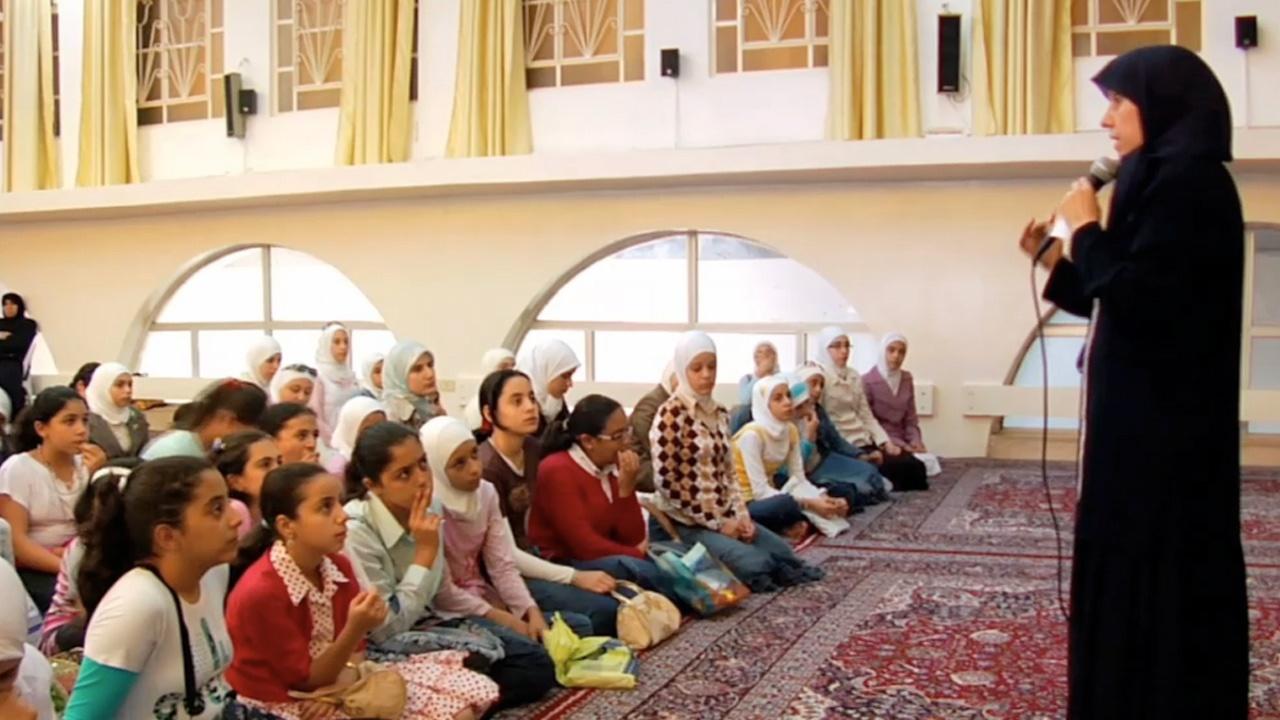
It is a brilliant example of traditional Islamic scholarship meeting contemporary challenges through the lens of deep Prophetic compassion and wisdom. Among the many resources Dr Mariam Sheibani shares include a brilliant paper by PhD candidate Samah Marei titled What Happened to Islamic Family Law in the Modern Era? There is so much nuance when it comes to applying Islamic law in the modern era, especially when Muslim minorities answer to Western secular legal system, or when problematic cultural norms conflict with Islamic law in Muslim-majority contexts.
A Still Valuable Perspective
However, women scholars aren’t infallible and are also impacted by biases, including problematic cultural beliefs about women that have no basis in the Shari’ah. There are unfortunately some who also issue problematic fatwa. Despite this, it’s important to remember that female scholarship offers an alternative perspective that is still valuable and protective, inshaAllah.
Related:
The Light of Female Islamic Scholarship: Da’wah, Difficulty, And Determination