Capitulation or compromise? What SDF's dissolution means for Sharaa, Turkey and Syria's Kurds
One year, five months and 15 days after Syria’s President Ahmed al-Sharaa and the commander-in-chief of the Kurdish-led Syrian Democratic Forces Mazlum Kobane signed a landmark deal for the integration of all Kurdish military and administrative institutions with the central government, Kobane declared the dissolution of his forces, marking the end of a chapter suffused with glory and defeat.
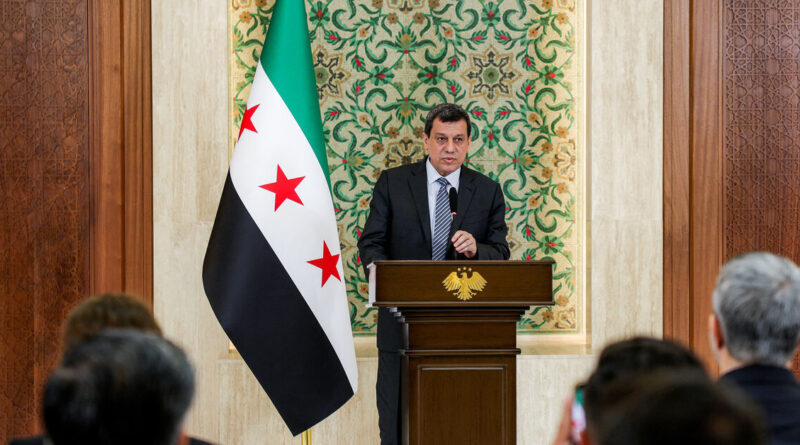
The scenes playing out on the late summer night could have been straight out of Shakespeare’s “King Lear.” Standing alone before an audience of Syrian and Kurdish officials in Damascus, Kobane announced first in Arabic and then in Kurdish “the end of the mission of the Syrian Democratic Forces” and “their dissolution as an independent military force.”
The Trump administration’s Syria envoy, Tom Barrack, called the announcement “absolutely historic,” crediting President Donald Trump’s “far-sighted leadership” for “the SDF’s orderly transitions into Syrian state institutions.” A spokesperson for Turkey’s ruling party said that an “important threshold” had been passed “towards strengthening Syrian unity.”
For countless Kurds in Syria and beyond who dreamed of achieving federal status like their brethren in Iraq, however, it felt like capitulation. Images of Kobane and his colleagues sitting on opposite sides of Syrian officials in the icy marble splendor of the People’s Palace, with Sharaa presiding at a distance in a gilded chair, was more than many could stomach after 14 years of semi-independence under the umbrella of US special forces deployed in northeast Syria to back the SDF-led fight against the Islamic State.
AL-MONITOR All-Access gives you unlimited access to all our journalism, the full Daily Briefing, exclusive interviews, premium newsletters, and live events — for less than $2/week.