Meta drops out of a major clean energy pact as its natural gas buildout accelerates | TechCrunch
Over the past year, Meta has funded the construction of at least a dozen natural gas power plants, including one project alone that will burn enough natural gas to generate as much electricity as the entire state of South Dakota uses.
Now, Meta is no longer part of the RE100a corporate renewable energy initiative, after a decade of membership, the company confirmed to TechCrunch today. The breakup was mutual, according to a Meta spokesperson.
The exit caps months of Meta expanding its bet on fossil fuels to power its AI data centers and begs the obvious question: What does “clean energy” actually mean to a company that keeps building gas plants while still calling itself renewable?
RE100 is a project of the Climate Group, a UK-headquartered nonprofit co-founded by former Prime Minister Tony Blair. The initiative provides policy and technical support to corporations seeking to transition to 100% renewable energy. Meta competitors Apple, Google, and Microsoft remain among the group’s 444 members. Recharge News was first to report Meta’s departure.
While Meta wouldn’t comment on the reasons behind the departure —and the Climate Group did not reply to TechCrunch’s inquiry — the nonprofit recently updated its guidance for companies, enforcing more rigorous reporting on progress toward renewable energy goals. PreviouslyMeta told RE100 that it would “run its entire operations on renewable electricity by 2020.”
Like many tech companies, Meta’s embrace of AI has pushed it to secure large amounts of power for its data centers, and while the company continues to procure renewable energy, it has embraced natural gas like few others.
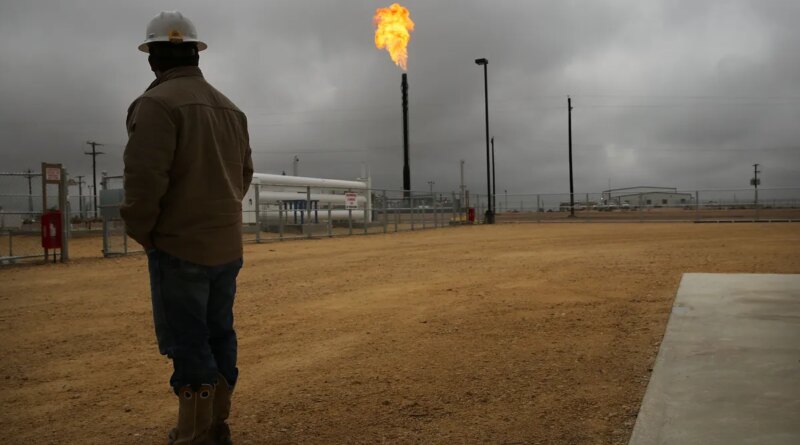
Meta’s toe in the water was a 200-megawatt behind-the-meter gas power plant in Ohioannounced in June of last year, that will power one of its data centers.
Two months later, Meta said it would build three large natural gas power plants in Louisiana to supply electricity to its Hyperion data center. Then in April, the company announced that it would fund seven more natural gas power plants for the same project. Combined, the 10 power plants will generate 7.5 gigawatts, enough electricity to power South Dakota and then some.
Meta, through a spokesperson, told TechCrunch that it remained committed to matching its data center electricity usage “with 100% clean and renewable energy.”
That’s a lot to promise. While natural gas burns more cleanly than coal, it still produces significant amounts of pollution. A single 1-gigawatt data center running 24/7, powered exclusively by natural gas, will release 438 metric tons of nitrogen oxides, 149 metric tons of fine particulate matter, 61 metric tons of sulfer oxides, and 298 metric tons of carbon monoxide. Those pollutants contribute to a range of diseasesincluding asthma, cancer, cardiovascular disease, and dementia, among many others.
Meta can still claim to be 100% renewable by purchasing environmental attribute certificates. These allow companies to invest in a solar farm in Arizona, for example, while building a data center in Ohio. As long as the solar farm makes enough energy in one year to offset the data center’s use, Meta counts that as 100% renewable.
Most companies have tackled their renewable power goals using annual matching, but some, including Microsoft, are striving to match their electricity use on an hourly basis. This more stringent approach would bring power production more in line with how data centers use electricity. It also encourages companies to invest in projects that pair renewables with batteries, like Google did earlier this year in Minnesota, rather than polluting ones like Meta’s Hyperion power plants.
Meta isn’t alone in pursuing natural gas — both Google and Microsoft have invested in large fossil fuel projects recently — but it has placed the biggest bet. Withdrawal or removal from a voluntary industry group isn’t always big news, but the timing, amid Meta’s fossil-fuel buildout, makes the change hard to ignore.
When you purchase through links in our articles, we may earn a small commission. This doesn’t affect our editorial independence.