Mufti Taqi Usmani Declares Cryptocurrency Trading Haram
- Mufti Muhammad Taqi Usmani has ruled that cryptocurrency does not count as property or wealth under Shariah, calling it only a record of notional numbers in an account.
- A questioner who bought two books using a crypto token and USDT was told the purchases were invalid and the books must be returned to the seller.
- A separate case involving an unauthorised resale of an educational course paid for in cryptocurrency was also ruled invalid, with instructions to delete the course and gain no benefit from it.
Mufti Muhammad Taqi Usmani, president of Wifaq-ul-Madaris Al-Arabia Pakistan and Darul Uloom Karachi, has issued a fatwa on the use of cryptocurrency in buying and selling goods, according to The News.
What the Fatwa Says
The fatwa says that, based on expert opinion so far, cryptocurrency is not maal — property or wealth — under Shariah. It is described as a record of notional numbers in an account.
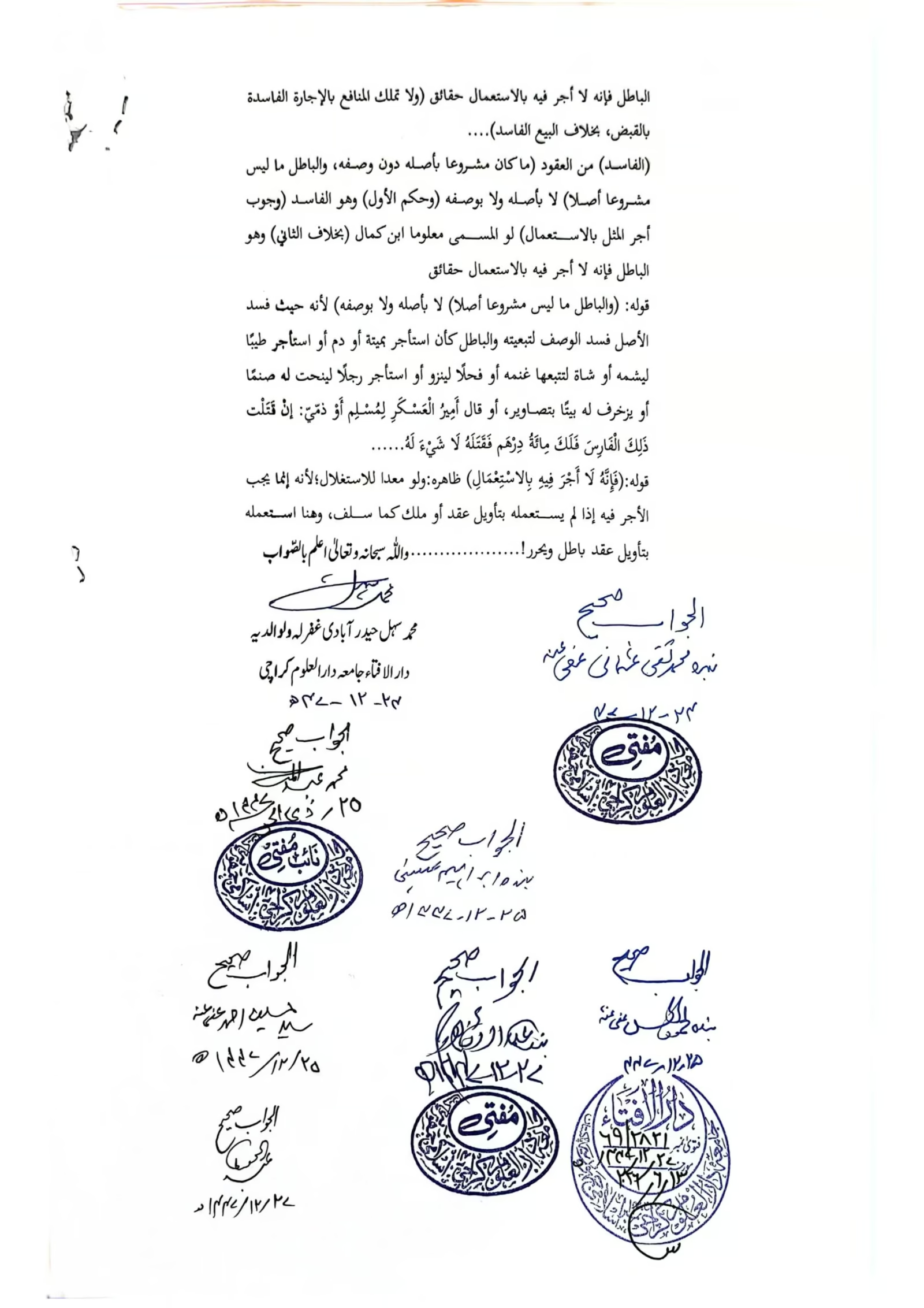
This applies whether the payment is made in USDT (Tether) or through a crypto token. Because cryptocurrency does not qualify as property under this ruling, any purchase made using it is not valid, and ownership of the item bought does not transfer to the buyer.
The Book Purchase Case
The fatwa was issued in answer to a question from a person who had bought two books from a seller — one paid for with a crypto token and the other with USDT. He asked whether the transactions were valid under Islamic law and what to do if they were not.
Mufti Usmani ruled that the purchases were not valid. He said the buyer never became the owner of the books and therefore also cannot resell them. He instructed the buyer to return both books to the person he bought them from.
The Educational Course Case
The same questioner also asked about a separate purchase — an educational course bought using cryptocurrency from a person who did not have permission to sell it.
The original owner of the course had barred the seller from copying, keeping, or reselling the material. Despite this, the seller kept a copy and began selling it to others, adding buyers to a group and sharing parts of the course with them after payment.
Mufti Usmani ruled that this purchase was also not valid, since it broke the rule set by the course’s original owner. He instructed the buyer not to use or benefit from the course in any way and to permanently delete the digital copy.
Confirming the Fatwa
Hassan Usmani, son of Mufti Taqi Usmani, confirmed that the fatwa circulating on social media was genuine and had been issued by his father.