Figma co-founder Dylan Field thinks MCP is not a perfect protocol | TechCrunch
Despite Figma co-founder Dylan Field’s concerns about MCP (model context protocol), which standardizes how AI agents connect to external data sources and tools, the company is expanding its support for the open source standard.
At the design company’s first Config conference held in India, the company announced 20 new model context protocol (MCP) partners, including Amp, ClickUp, Dia, Junie by JetBrains, Linear, Meta Muse, Mistral, Notion, OpenCode, and Sarvam Agents.
Field has expressed his misgivings about MCP before. Days before this announcement, one of MCP’s co-creators complained about Figma not supporting the open-source tool Pi. As part of his response, Field made a comment about Anthropic not making its various resources available via MCP.
“I find it interesting that Anthropic (creators of MCP standard) do not expose artifacts / other cloud resources created via MCP,” he wrote on X. “The debate is framed as open vs closed. Everyone always prefers open… obviously. And meanwhile issues of asymmetric context sharing are ignored.”
(Field later added that Figma plans support Pi.)
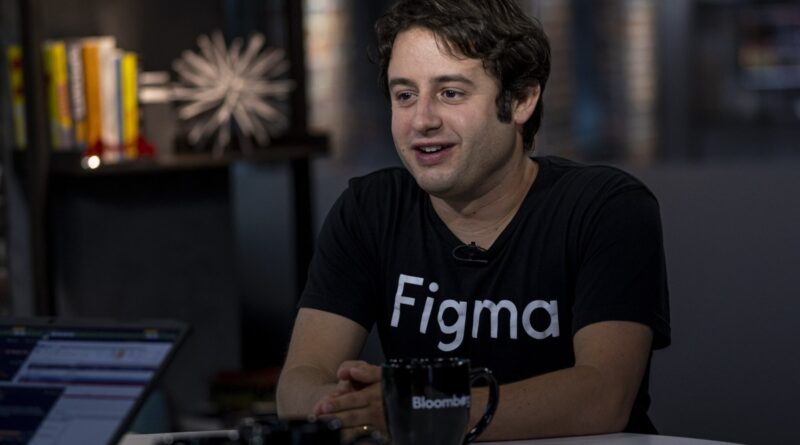
At a media briefing, I asked Field about this debate. The co-founder explained that while Figma wants to be open, he doesn’t think MCP is a perfect protocol.
“I’m really excited about what we’re doing in terms of opening up our ecosystem. I also think that MCP is not a perfect protocol. And I think that it is something that has tons of room for improvement,” the co-founder responded. “It is advantaged more to frontier labs. Also, I understand everyone online who just wants a protocol that they can use when they want to use their Figma data, and I want them to use it, too.”
Figma’s CEO said that the reason the company doesn’t want to be fully open is that the more data the company exposes through MCP, the higher the chance of abuse.
He also clarified that while most users don’t intend to use MCP or Figma data in a malicious way, the company still has to think about those potential risks.
When you purchase through links in our articles, we may earn a small commission. This doesn’t affect our editorial independence.