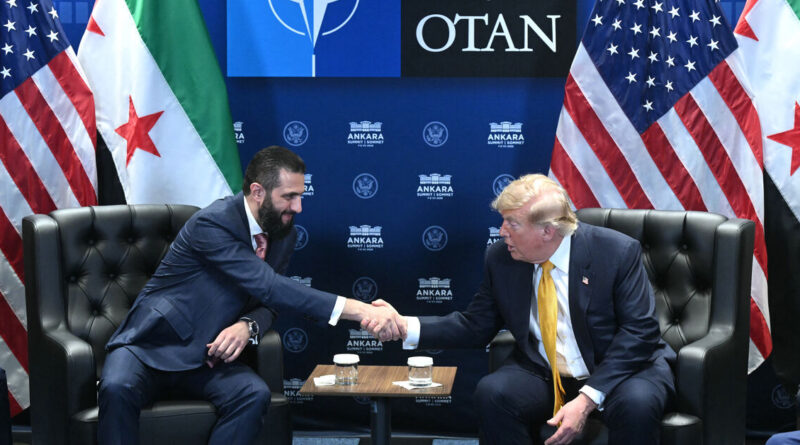
Trump’s integration policies build on Gulf, Turkey ties and Syria success
The escalating confrontation between the United States and Iran is dominating headlines. Less noticed is what hangs in the balance: a historic effort to integrate the Gulf and the Levant into a more prosperous and interconnected Middle East.
For decades, Arab Gulf states have pursued a development-driven model that prioritizes governance, investment and economic growth. The shift is generational and transformative. Gulf states have embraced the global economy, invested heavily in artificial intelligence and emerging technologies, and positioned themselves as commercial hubs connecting East and West while remaining rooted in their Arab identity and culture.
Today, this vision extends beyond the Arabian Peninsula. Gulf leaders recognize a rare opportunity to deepen integration with the Levant following Syria’s transition from Bashar al-Assad to Ahmad al-Sharaa.
In many respects, integration is a return to the Levant’s historical role. For centuries, the region served as a crossroads of commerce, cultures, faiths and ideas, linking Europe, the Mediterranean, Mesopotamia and the Arabian Peninsula. Cities such as Damascus, Beirut and Baghdad flourished as centers of trade and cultural exchange.