
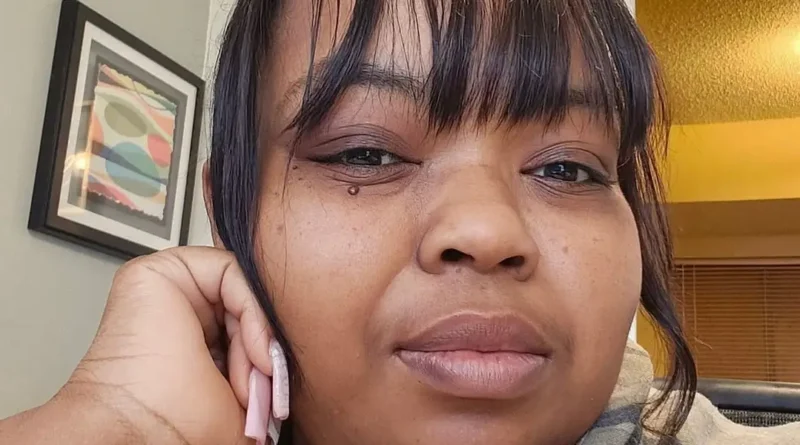
She received a $12,000 basic income. 3 years later, she's a mom of six and upgrading her apartment.
Taniquewa Brewster is an assistant property manager, doula, student, advocate, and proud mom of six.
The 41-year-old is also a former guaranteed basic income participant in her hometown of Austin, Texas. She was one of 135 low-income households that received $1,000 a month for a year, from September 2022 to August 2023. The money helped her cover bills, build savings, and land a more stable career.
Business Insider first spoke with Brewster in the fall of 2024, about a year after her cash payments ended. She’s now feeling more confident in her family’s future — even if unexpected bills remain a stressor.
“I’ve been able to keep my children from having to work to contribute to the household,” she said in June. “They can do whatever they want to do with their money, and that’s a big difference for me — breaking that generational curse of poverty.” She said that fear is no longer her dominant emotion.
Basic income gained momentum in the early 2020s as a solution for poverty and an increasingly AI-dominated job market. The no-strings-attached cash model has been tried hundreds of times over the past decade, championed by lawmakers, local advocates, and some big-name tech leaders. Business Insider has heard from single parents who used the money for groceries and families who secured apartments after years of instability.
Much of the reporting and data about basic income follows participants during and immediately after their programs. What’s less documented is how families fare in the years after their cash payments end. Brewer said she’s still seeing a benefit.
Brewster feels more financially confident, but worries about emergency expenses
Austin’s guaranteed basic income program was a collaboration between the city and the nonprofit UpTogether. Brewster qualified because she was experiencing housing insecurity and earned less than 60% of the area median family income, which was slightly over $64,000 annually for her household size. Brewster is a single mother who supports her children — now between infancy and college age — alone.
Prior to GBI, she was patching together low-paying part-time jobs and struggling to pay bills. She said the financial strain prevented her from getting the training she needed for a higher-paying real estate job with predictable hours.
“I was working as hard as I could, working overtime,” Brewster said in 2024. “That’s keeping me away from my family. That’s keeping me away from things that I can be doing — even going back to school — because I have to work so hard to just cover rent.”
With the extra $1,000 a month, Brewster said she was able to get the certifications she needed to be promoted as a leasing agent and now assistant property manager. She also completed her doula training and has since gone back to school to study nonprofit management. She remains a vocal advocate for basic income in Texas. Building a career that both supports her family and allows her to support others is a dream, she said.
She’s currently adopting her youngest daughter, whom she’s been fostering, and her family is preparing to move to a bigger apartment. Data from the Austin pilot shows that the majority of participants were better able to afford basic necessities and pay off debt during and directly after the pilot.
“It didn’t just help me financially, it gave me confidence in myself,” she said. “It was a hand up and not a handout.”
She said the payments didn’t fix all of her affordability concerns. She had an unexpected illness last year that required expensive medications and hospital care. She has some savings, but worries about what will happen if her family runs into more emergency expenses.
Like other GBI pilots, Brewster’s program was designed to provide short-term financial support. Austin’s program lapsed recently due to a funding lapse and limited political backing. The US has yet to try basic income for more than a few years at a time, largely because governments and philanthropists say they can’t fund it long-term.
But, for Brewster, even a year of no-strings-attached cash was life-changing.
“It felt like people were actually asking me what my needs were, and how they could help me meet those needs,” she said. “There’s something comforting about someone actually caring enough to ask.”