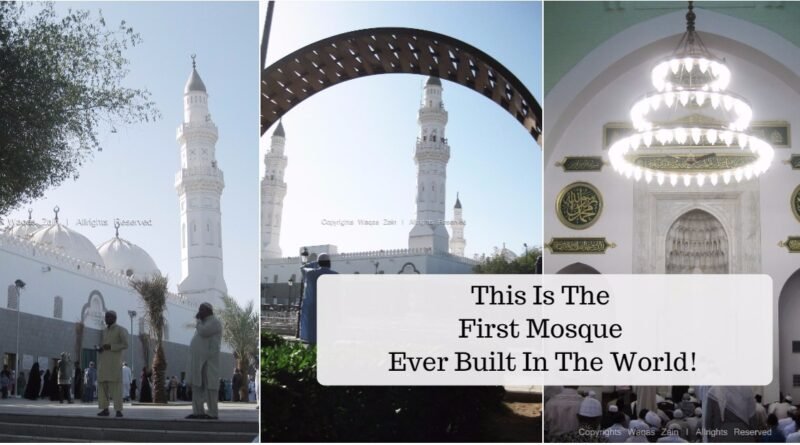
Quba Mosque, The First Mosque Ever Built In The World
Built during Prophet Muhammad’s ﷺ migration from Makkah to Madinah in 622 CE, this historic mosque marks an important moment in the early history of the Muslim community.
The Prophet Muhammad ﷺ personally participated in establishing Masjid Quba alongside his companions after arriving in the settlement of Quba. It remains one of the most significant Islamic landmarks in Madinah and continues to welcome thousands of worshippers and visitors.
Also known as Quba Mosque, it is situated approximately 3.5 kilometres southwest of Masjid an-Nabawi and has undergone several renovations and expansions throughout its history.
History of Masjid Quba
The history of Masjid Quba dates back to the first year of the Islamic calendar, 622 CE, when Prophet Muhammad ﷺ migrated from Makkah to Madinah.
During the migration, the Prophet ﷺ arrived in Quba, a settlement on the outskirts of Madinah, where he and his companions established a mosque. The Prophet ﷺ personally participated in placing its foundation stones, making it the first mosque built in Islamic history.
The mosque was initially a simple structure made using locally available materials. Its construction was carried out with the participation of the Prophet’s companions, who helped establish a dedicated place for Muslims to perform their prayers.
The mosque takes its name from the Quba Well, which was historically located in the area. It was also known as Bani Awf Mosque.

Masjid Quba and the Migration of Prophet Muhammad ﷺ
Masjid Quba is closely connected to the Hijrah, the historic migration of Prophet Muhammad ﷺ and his companions from Makkah to Madinah.
After arriving in Quba, the Prophet ﷺ stayed in the settlement before proceeding towards Madinah. His time there became an important chapter in Islamic history, as the Muslim community began establishing its foundations in the region.
Ali ibn Abi Talib (RA) also joined the Prophet ﷺ after remaining in Makkah to return the belongings that people had entrusted to the Prophet ﷺ.
You can also read about Ali ibn Abi Talib (RA) and his famous sayings.


Masjid Quba in the Quran
Masjid Quba has a significant connection to the Quran, particularly Surah At-Tawbah, verse 108.
Allah says:
“And a mosque founded upon righteousness from the first day is more worthy for you to stand in. Within it are men who love to purify themselves; and Allah loves those who purify themselves.”
Surah At-Tawbah (9:108)
This verse is widely associated with Masjid Quba in Islamic historical and scholarly discussions. The verse highlights the importance of a mosque established upon righteousness and the virtue of those who maintain cleanliness and purification.
The people of Quba were known for their emphasis on purification, making this connection particularly significant.


Reward of Praying at Masjid Quba
One of the most important reasons Muslims visit Masjid Quba is the special reward associated with offering prayers there.
Prophet Muhammad ﷺ said:
“Whoever purifies himself in his house and then comes to the Mosque of Quba and prays in it will have a reward like that of Umrah.”
Reference: Sunan Ibn Majah 1412
This narration highlights the virtue of performing ablution at home before visiting Masjid Quba and offering prayer inside it.
Visiting the mosque and praying there is therefore an important Sunnah for Muslims travelling to Madinah.
Prophet Muhammad’s ﷺ Visits to Masjid Quba
Prophet Muhammad ﷺ regularly visited Masjid Quba, sometimes walking and sometimes riding.
According to Abdullah ibn Umar (RA), the Prophet ﷺ used to visit the mosque every Saturday.
The narration is recorded in Sahih al-Bukhari:
“The Prophet ﷺ used to go to the Mosque of Quba every Saturday (sometimes) walking and (sometimes) riding.”
Reference: Sahih al-Bukhari 1193
Another narration, Sahih al-Bukhari 1194, mentions that the Prophet ﷺ offered two Rak’ahs when visiting the mosque.
This established a lasting Sunnah of visiting Masjid Quba and offering prayers there.

Renovations and Historical Development of Masjid Quba
Throughout Islamic history, Masjid Quba has undergone several renovations and expansions to accommodate the growing number of worshippers.
During the Rashidun Caliphate, Uthman ibn Affan (RA) carried out renovations to the mosque. Later, Umar ibn Abdulaziz oversaw further developments, including the addition of a minaret during his governorship of Madinah.
You can read more about Uthman ibn Affan (RA) and Umar ibn al-Khattab (RA).
During subsequent centuries, the mosque received additional restorations and improvements under different Islamic rulers and benefactors.
Historical records also mention restoration work carried out by Abu Ya’la al-Husayni in 1044 CE and Jamal al-Din al-Isfahani in 1161 CE.

Major Expansion During the Saudi Era
Masjid Quba received significant attention during the Saudi era, with several major renovation and expansion projects.
1968 – Restoration during King Faisal’s reign
During the reign of King Faisal bin Abdulaziz, the mosque’s outer walls were renovated, and its area was extended towards the north.
1984–1986 – Major reconstruction under King Fahd
King Fahd bin Abdulaziz ordered a comprehensive reconstruction of Masjid Quba in 1984. The older structure was demolished and replaced with a larger mosque while retaining important elements of its traditional architectural identity.
The expansion was completed in 1986, significantly increasing the mosque’s capacity and facilities.
The reconstruction was designed by Egyptian architect Abdel-Wahed El-Wakil, who incorporated traditional Islamic architectural elements into the new structure.
2022 – King Salman’s expansion project
On April 8, 2022, Crown Prince Mohammed bin Salman announced the King Salman Project to expand Masjid Quba and develop the surrounding historical area.
It is the largest expansion project in the mosque’s history.
The project aims to increase the mosque’s total area to approximately 50,000 square metres and its capacity to accommodate around 66,000 worshippers.
It also includes the development of 57 historical sites, including wells, farms, gardens and locations associated with the Prophet’s migration.
The project aims to improve visitor facilities, pedestrian access, surrounding infrastructure and worship spaces.
Architecture and Design of Masjid Quba
Masjid Quba combines traditional Islamic architecture with modern facilities designed to accommodate large numbers of worshippers.
According to Saudipedia’s published mosque profile, its existing architectural features include:
- Four fully constructed minarets.
- 62 domes, comprising six large domes and 56 smaller domes.
- A prayer hall covering approximately 5,035 square metres.
- A total mosque land area of approximately 13,500 square metres.
- Residential facilities for Imams and Muazzins.
- A library and shopping facilities.
- Separate prayer arrangements for men and women.
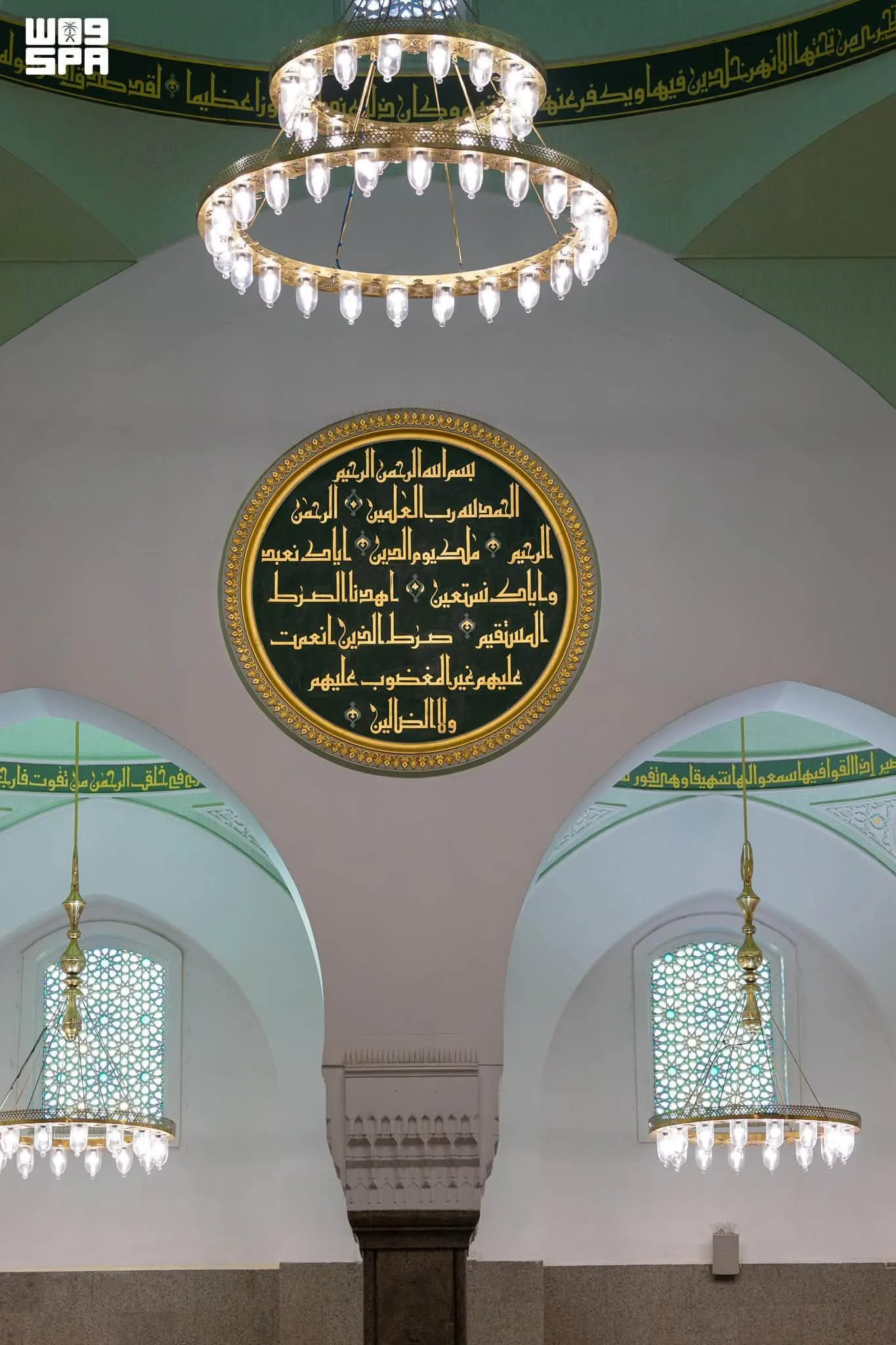
The mosque features spacious prayer areas, courtyards, decorative arches and marble flooring. Its courtyards also have retractable shaded canopies to provide protection from the sun.
The design allows worshippers to enter through multiple entrances and access different sections of the mosque.

Masjid Quba and the First Friday Prayer
Masjid Quba is the first mosque established in Islamic history. However, it is important to distinguish its establishment from the location of the first Friday congregational prayer after the Hijrah.
After leaving Quba, Prophet Muhammad ﷺ travelled towards Madinah. During his journey, he reached the valley of Ranuna, where he led the Friday congregational prayer among Banu Salim ibn Awf.
The historic Masjid al-Jumu’ah stands at the location associated with this event.
This makes both mosques important landmarks connected to the early days of Islam.
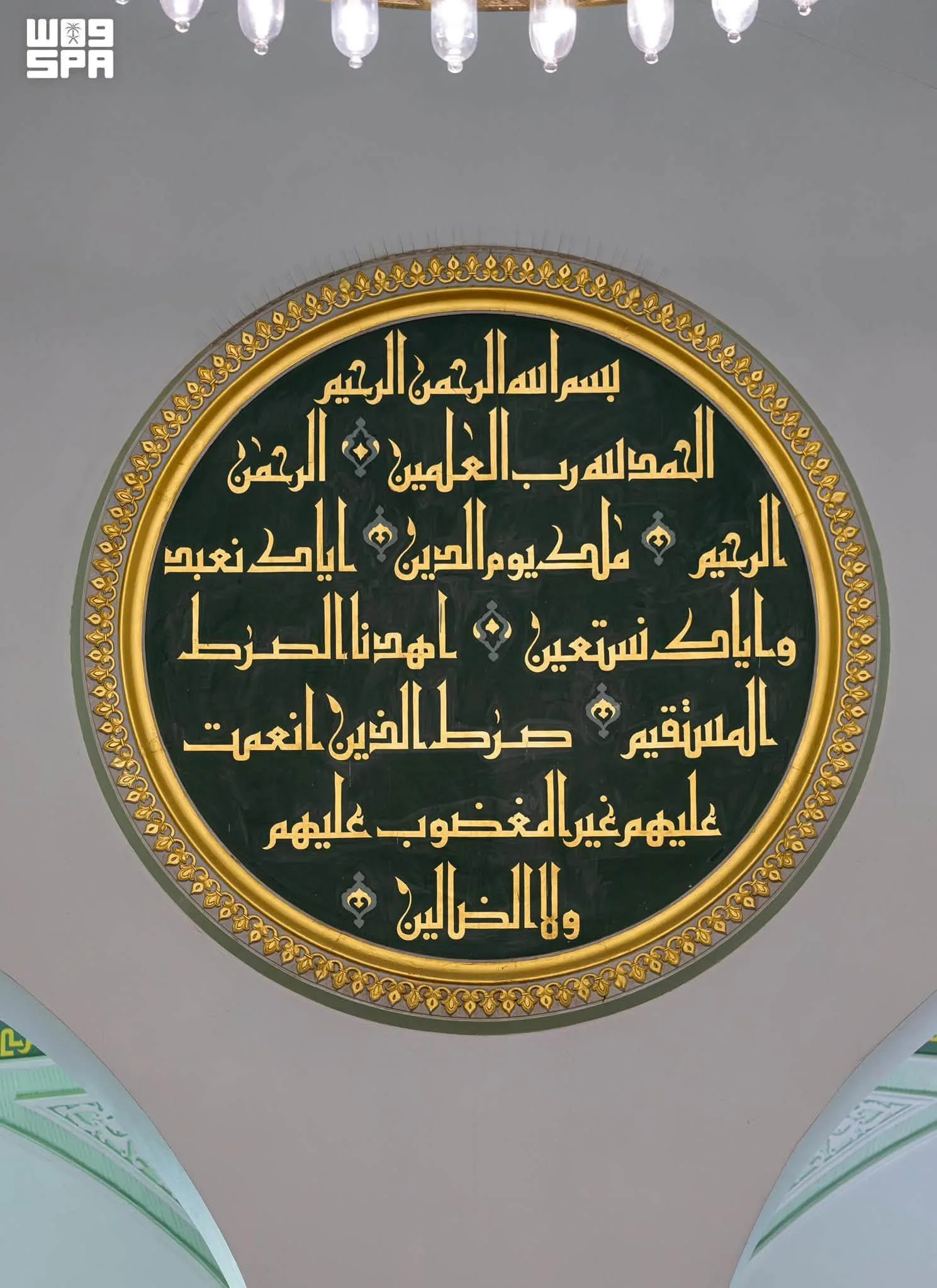
Calligraphic Designs Inside Masjid Quba
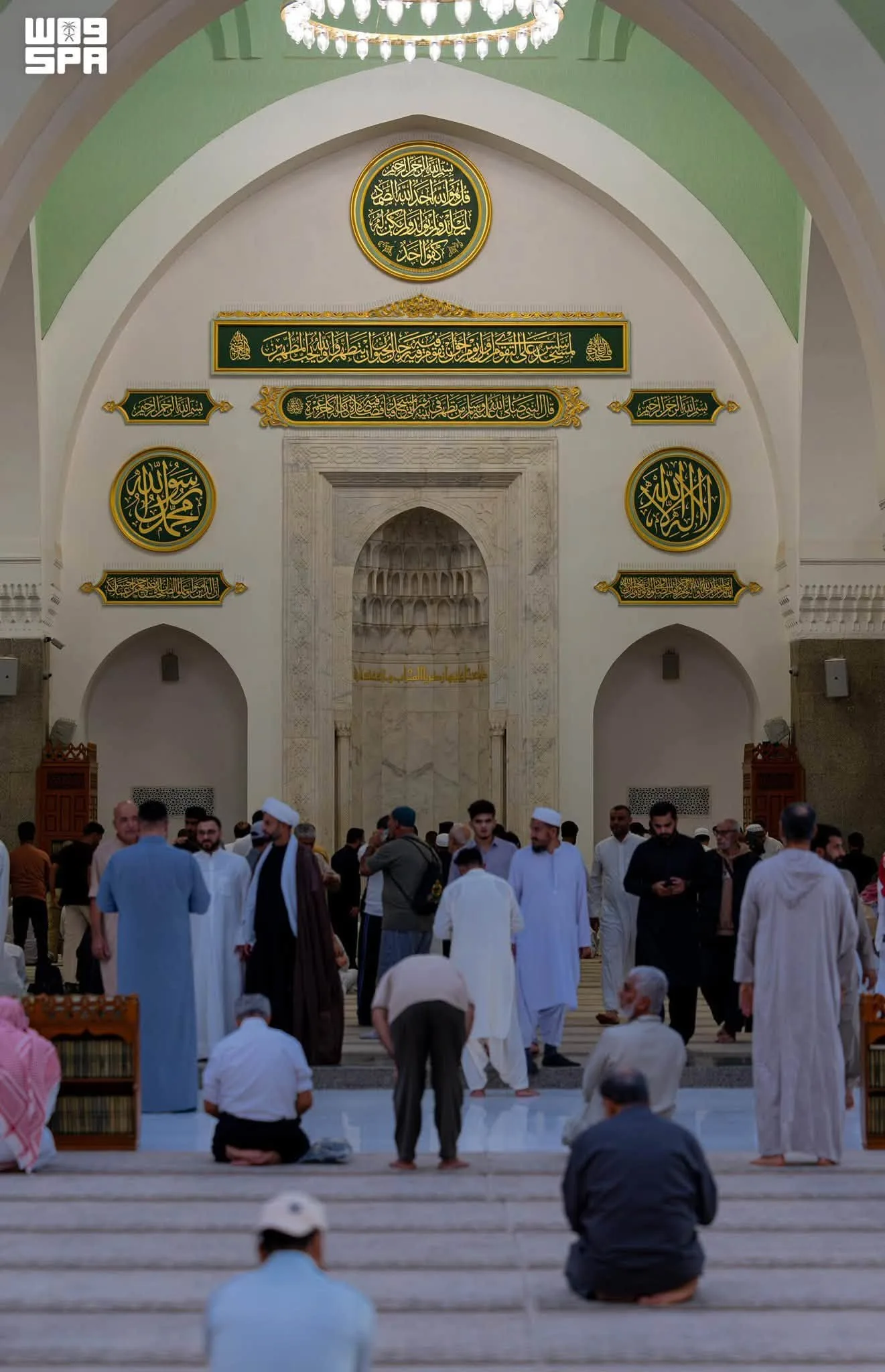
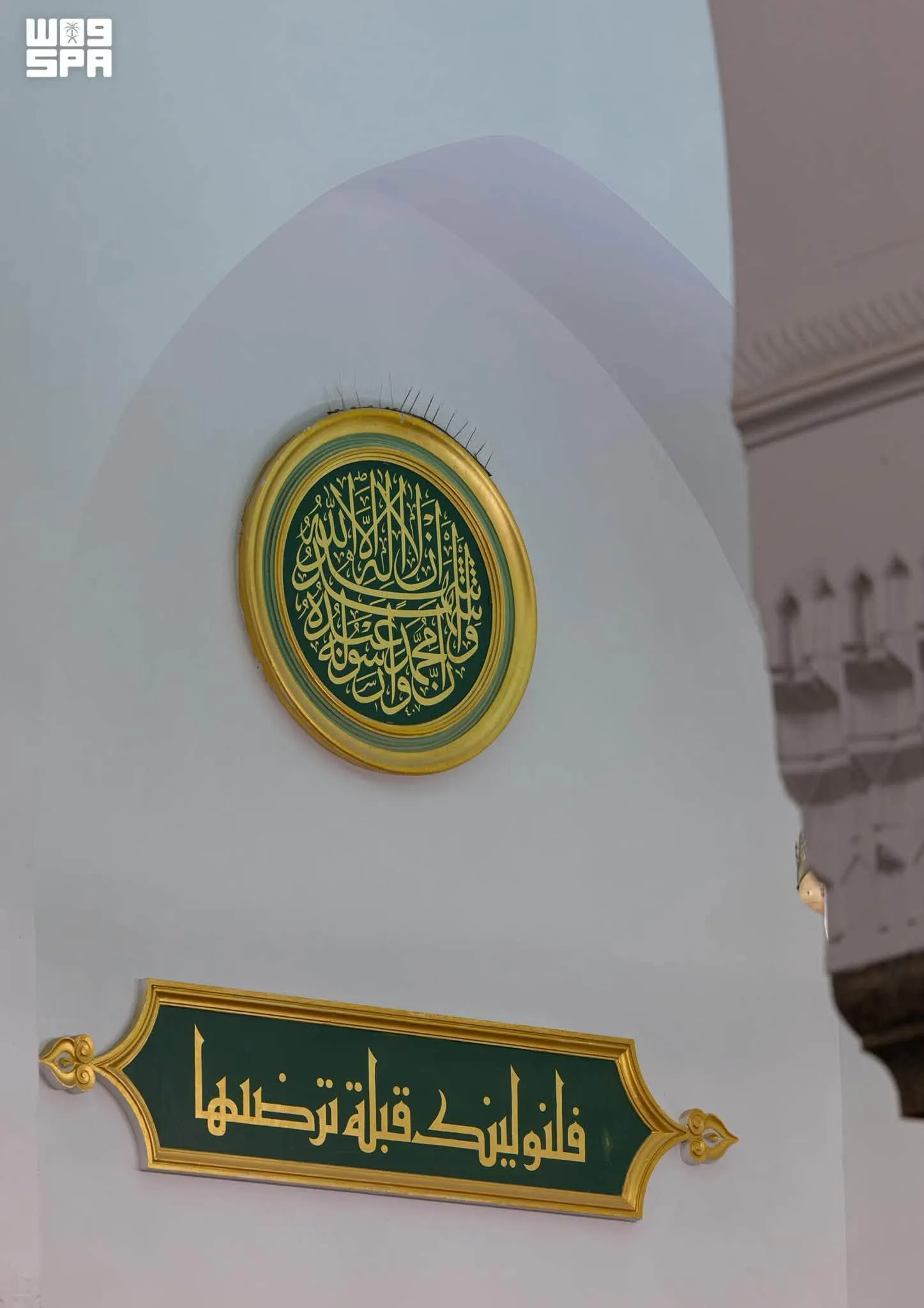
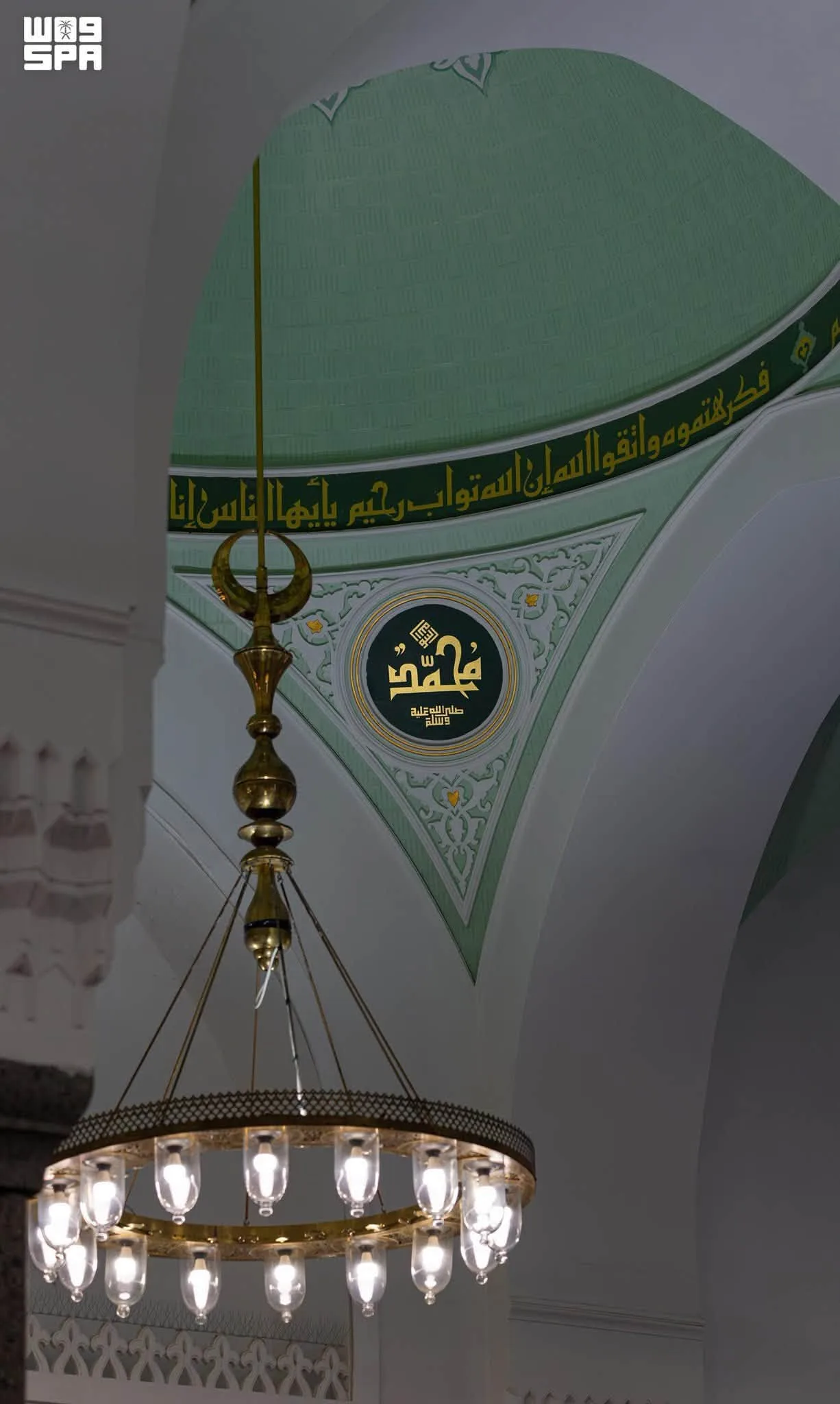
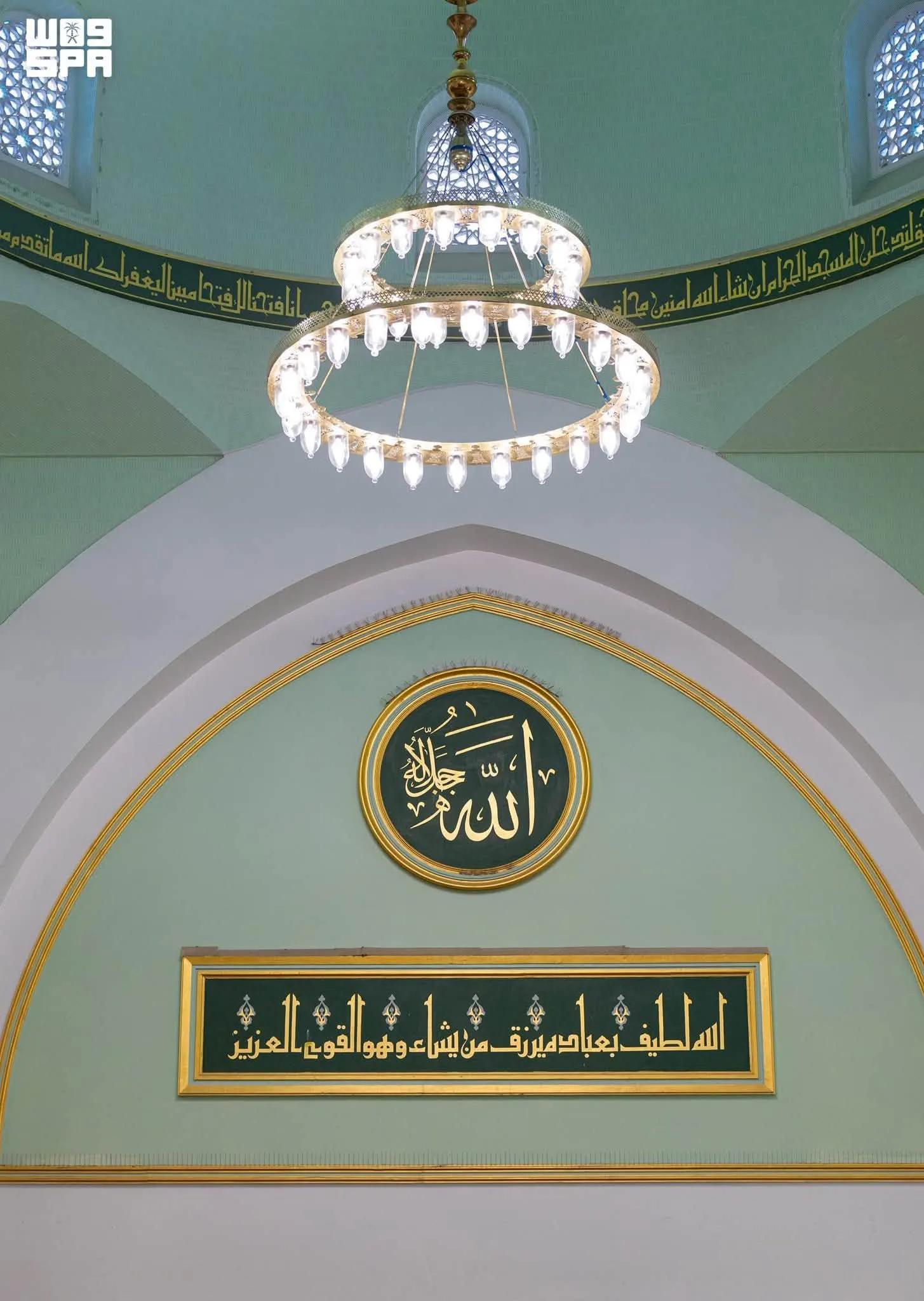
Masjid Quba also features beautiful Islamic calligraphy and decorative designs throughout its interior.
The mosque’s calligraphic medallions feature names, Quranic verses and Surah inscriptions, adding to its religious and architectural beauty.
These designs reflect the importance of Quranic calligraphy in Islamic architecture and create a distinctive visual atmosphere inside the mosque.
Why Masjid Quba Is Important to Muslims
Masjid Quba is more than a historic building. It represents the beginning of organised Muslim worship in Madinah and preserves the memory of one of the most significant events in Islamic history.
Its connection to Prophet Muhammad ﷺ, its mention in discussions surrounding Surah At-Tawbah, and the special reward associated with praying there make it an important destination for Muslims visiting Madinah.
For visitors, offering prayers at Masjid Quba is an opportunity to follow the Sunnah of the Prophet ﷺ and connect with the history of the early Muslim community.
Masjid Quba remains one of the most treasured Islamic landmarks in Saudi Arabia, welcoming worshippers from around the world.