Netanyahu demands graft trial end as judges urge key charges dropped: What to know
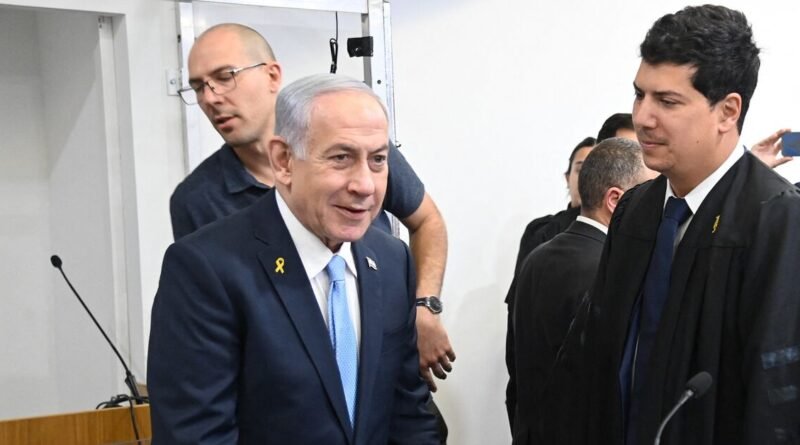
In a dramatic turning point for a corruption trial that has dominated Israeli politics since 2020, Prime Minister Benjamin Netanyahu found himself in his strongest legal position in years on Wednesday after Jerusalem District Court judges urged prosecutors to drop the most serious charges against him, a move the Israeli leader swiftly seized upon as vindication.
The development comes as Netanyahu and his Likud party work to stall and fight an opposition-backed bill to bar indicted lawmakers from forming a government. It passed a preliminary Knesset reading Wednesday, with 65 in favor and 48 against. In order to be enacted, it must be approved by the Knesset legislation committee and put to three more votes.
Background: Netanyahu is standing trial in three cases: Case 1000, in which he is accused of receiving gifts from wealthy businessmen between 2011 and 2016; Case 2000, in which he allegedly negotiated with Yedioth Ahronoth publisher Arnon Mozes in exchange for favorable media coverage between 2009 and 2014; and Case 4000, in which he is accused of accepting a bribe in exchange for granting regulatory benefits to telecommunications company Bezeq between 2012 and 2017. The police started investigating Cases 1000 and 2000 in 2016 and then Case 4000 in 2018.
Netanyahu finished testifying on June 24, and his defense team has since been calling witnesses. As the trial nears its final stages, on Wednesday the three judges on the panel urged prosecutors to drop all charges in Case 4000. They also recommended that prosecutors reconsider the charges in Case 2000 and explore a plea deal in Case 1000.