Israel entrenches hold on south Lebanon, warns residents to stay out
BEIRUT/JERUSALEM, April 20 (Reuters) – Israel on Monday told residents of south Lebanon to stay out of a belt of territory running the length of the border and not to approach the area of the Litani River, entrenching its grip over southern Lebanon despite a ceasefire in the war with Hezbollah.
The U.S.-mediated, 10-day ceasefire took effect on Thursday, largely halting the war between Israel and Iran-backed Hezbollah that spiralled out of the conflict between the United States and Iran.
But it remains fragile, with Israeli troops occupying territory deep in the south, aiming to create a buffer zone to shield northern Israel from Hezbollah attack, while the group says it maintains the “right to resist” Israeli occupation.
The Israeli military posted a map on social media with a red line through 21 villages across the south, and said residents should not move into the area between it and the border, saying Israeli troops were maintaining positions in the south “in the face of ongoing terrorist activities” by the Iran-backed group.
The map named more than 50 other villages in the south to which residents should not return. The Israeli military also said it was not permitted to approach the area of the Litani River, which mostly flows to the north of the area the Israeli military said residents should stay out of.
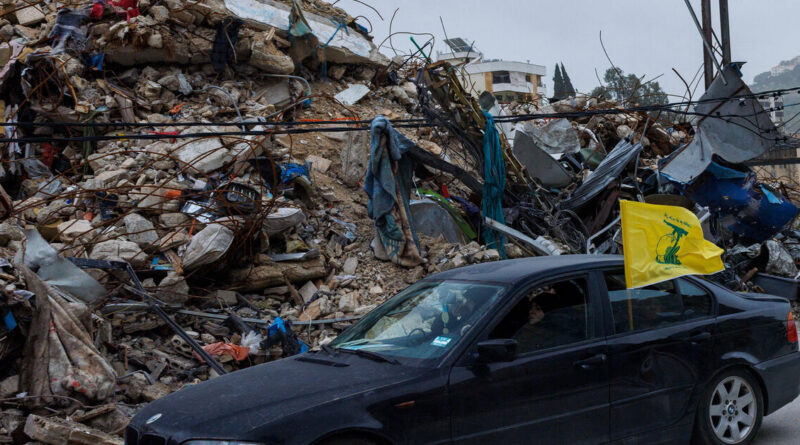
On Sunday, the Israeli military published a similar map, showing for the first time its new deployment line inside Lebanon. Stretching east to west, the deployment line on the map runs 5-10 km deep from the border into Lebanese territory, covering an area where the Israeli military has been destroying villages.
LEBANESE WARNINGS AGAINST RETURN
Senior Hezbollah official Mahmoud Qmati, addressing residents of the Hezbollah-controlled southern suburbs of Beirut on Saturday, told them they shouldn’t return to their homes yet because of the risk of Israeli attack.
Local councils in the south also warned residents against returning home, saying doing so is not yet safe.
Hezbollah, in a statement on Monday, said explosive devices previously planted by its fighters had detonated as Israeli military vehicles were moving through an area of the south on Sunday, destroying four tanks.
The Israeli military didn’t immediately respond to a request for comment on this claim.
The Israeli military said on Sunday one soldier had been killed and another nine had been wounded during combat in southern Lebanon.
Lebanon was dragged into the regional war on March 2, when Hezbollah opened fire in support of Tehran, prompting an Israeli offensive that has killed more than 2,300 people, including 177 children, and forced more than 1.2 million to flee, Lebanese authorities say.
Hezbollah has not disclosed its casualty figures. At least 400 of its fighters had been killed by the end of March, according to sources close to the group.
Hezbollah has fired hundreds of rockets and drones at Israel. Its attacks have killed two civilians in Israel while 15 Israeli soldiers have died in Lebanon since March 2, Israel says.
(Reporting by Jana Choukeir in Dubai, Steven Scheer in Jerusalem, Laila Bassam in Beirut; Writing by Tom Perry; Editing by Aidan Lewis)