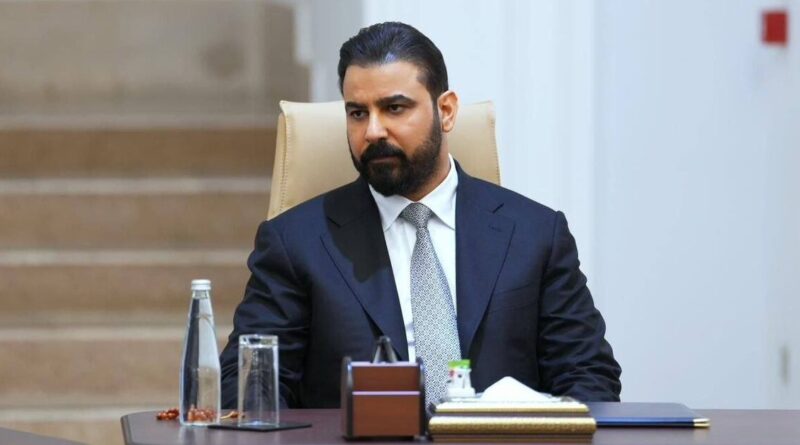
Iraq's Shiite alliance nominates Ali al-Zaidi as PM candidate: What to know
Iraq’s Coordination Framework nominated businessman Ali al-Zaidi as its consensus candidate for prime minister on Monday, ending months of disagreements over a previous nominee, former Prime Minister Nouri al-Maliki. The new nominee is backed by both Maliki and incumbent Prime Minister Mohammed Shia al-Sudani, but now faces the task of securing parliamentary approval for a cabinet.
What happened: The framework, an alliance of Shiite parties that forms the largest bloc in parliament, said Zaidi was nominated after consideration of a number of candidates. The framework praised both Maliki and Sudani for stepping aside, saying the two exhibited “concern for the supreme national interests and facilitated the overcoming of the political blockage,” the official Iraqi News Agency reported.
Maliki, who served as premier from 2006 to 2014, was nominated by the Coordination Framework in January but faced significant opposition from the US, other Shiite leaders, and a few Sunni parties. Maliki is friendly to Iran, and US President Donald Trump threatened to “no longer help” Iraq if Maliki becomes its next prime minister, noting his “insane policies and ideologies.”
Maliki was prime minister when the Islamic State swept through Iraq and ultimately resigned as a result, and he was widely accused of alienating the country’s Sunni minority.
Background: The Coordination Framework controls about 185 seats in the 329-member parliament, and a government requires two-thirds approval before it can take office. Key figures in the framework include cleric Ammar al-Hakim and leader of the Iran-backed Asaib Ahl al-Haq militia, Qais al-Khazali, in addition to Maliki and Sudani.
Local media outlets Shafaq and The New Region reported that Zaidi had the backing of both Sudani and Maliki.
Zaidi is a businessman who leads the television channel Dijlah TV, as well as Al-Janoob Islamic Bank. The bank was banned by the Iraqi Central Bank in 2024 from making US dollar transactions as part of an effort to crack down on money laundering and the smuggling of currency to Iran, Reuters reported at the time.
Know more: Esmail Qaani, the head of the Iran’s Islamic Revolutionary Guard Corps’ Quds Force, visited Baghdad earlier this month and said the prime ministerial decision should be “purely based on the decision of Iraqis”—a reference to US opposition to Maliki.
Iran-backed militias in Iraq have carried out hundreds of strikes targeting US interests since the start of the US-Israel-Iran war, including American forces stationed in the country. The US has called on Iraq to disarm the militias.