'InshaAllah' Mentions in English News Triple Since 2017
Key Takeaways
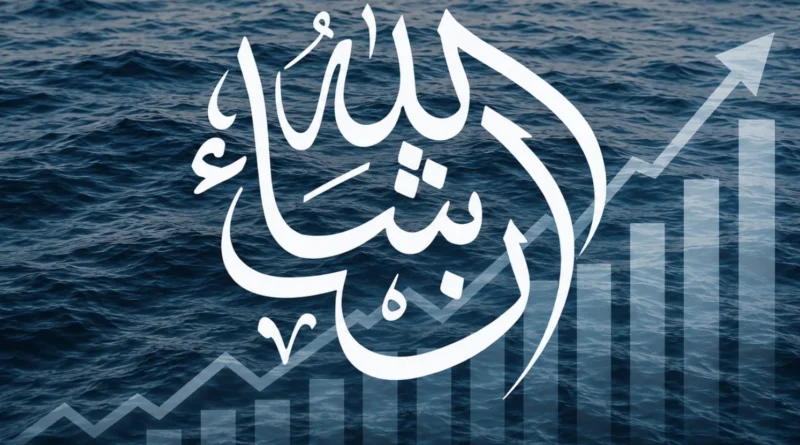
- Mentions of “inshallah” in English-language news have tripled since 2017, based on GDELT data analysed by The National.
- The rise tracks moments including Lindsay Lohan’s 2017 Instagram post, the 2019 election of Ilhan Omar and Rashida Tlaib, and Joe Biden’s use of the word in a 2020 presidential debate.
- Google searches for “meaning inshallah” are up about 130 per cent, and “mashallah vs inshallah” searches have grown by roughly 1,800 per cent over five years.
Anne Hathaway used the word “inshallah” during a recent interview, and the clip spread quickly across social media, gaining hundreds of thousands of likes. The actress is the latest example of a trend that has built for years.
A Steady Rise in News Coverage
The National’s analysis of the GDELT global news database shows mentions of “inshallah” across English-language outlets have tripled since 2017. The word, which translates to “if God wills it,” had already appeared in western pop culture through Sting’s 2016 song Inshallah. Since then, its use in mainstream English news has picked up pace, often appearing without explanation or translation.
GDELT tracks language across tens of thousands of online, broadcast and print news organisations worldwide. The data shows how “inshallah” has gradually become part of everyday English-language news vocabulary.
Growing Curiosity Online
The pattern shows up beyond news coverage too. Google search data shows searches for “meaning inshallah” have grown by about 130 per cent over five years. Searches for “translate inshallah from Arabic” have jumped more than 700 per cent, while “mashallah vs inshallah” searches have climbed roughly 1,800 per cent, pointing to rising interest among English-speaking audiences.
Key Moments Behind the Trend
News mentions first jumped in 2017, after Lindsay Lohan posted “inshallah” on Instagram, sparking days of speculation about a possible conversion to Islam. Two years later, Ilhan Omar and Rashida Tlaib became the first Muslim women elected to the US Congress, bringing Arabic and Islamic terms into political coverage more often.
Coverage rose again in 2020. The Beirut port explosion drew heavy international reporting from Lebanon, and weeks later, Joe Biden used the word during a US presidential debate against Donald Trump, prompting another wave of coverage in American media.
When war broke out in Gaza in October 2023, “inshallah” became more familiar to western audiences following influencers and eyewitnesses from the region online. Mentions stayed high before climbing again this year alongside renewed attention to Hathaway’s interview.
Other Arabic Words Entering English
Words often cross into new languages long before dictionaries catch up, spreading through news, migration, entertainment and social media. Arabic terms such as “inshallah,” “habibi” (“my love”) and “mashallah” (“God has willed it”) are increasingly used in English conversations without translation.
Drake’s recent album Habibti is another example of Arabic entering mainstream pop culture. Derived from the Arabic root habib (“beloved”), “habibti” is a common term of endearment meaning “my love,” “my dear” or “my darling” when addressing a woman.