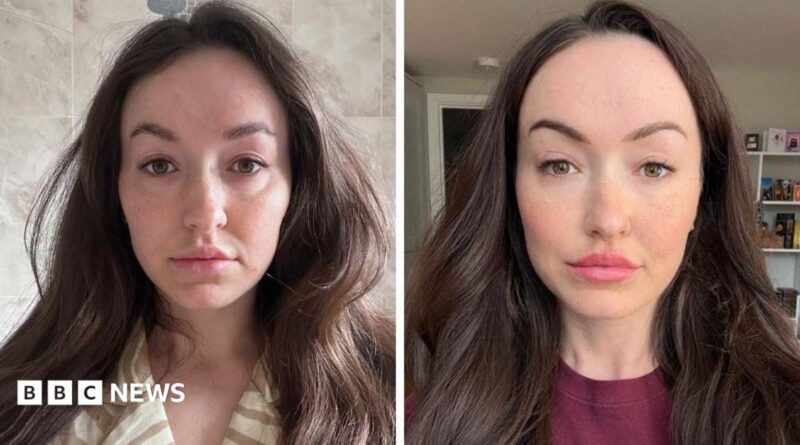
Ferritin face: Can you really diagnose low iron from your looks?
For doctors, symptoms and how someone feels are more useful than appearance.
Blood tests matter not only to confirm iron deficiency, Provan and Sesay said, but to establish the cause and guide treatment.
Both said treatment should also address the cause. Heavy periods, low dietary iron, gastrointestinal blood loss and problems absorbing iron through the gut can all play a role.
Iron deficiency is commonly treated with oral iron. Pavord said iron tablets are best taken on an empty stomach, ideally first thing in the morning, and advised avoiding tea or coffee around the time they are taken because they can inhibit iron absorption.
Iron can also be obtained naturally from foods including meat, beans, lentils, leafy green vegetables and fortified cereals.
Taking iron supplements without a diagnosis can be harmful, while self-treating could delay the investigation of an underlying problem.
Lucy said social media has nevertheless helped women take symptoms more seriously, and has given some the confidence to ask questions when something feels wrong.
“There are so many women saying, ‘Oh my gosh, this is me,” she said, adding that she is not a doctor and presents her content as her own experience.
For her, doing so has been empowering – giving women information with which to advocate for themselves.
Sesay called social media a “double-edged sword” – it can encourage people to seek help, but can also lead them to incorrectly diagnose themselves from a short video.
For Lucy, the useful part is not diagnosing yourself from your appearance, but knowing when something doesn’t feel right, and when to ask questions.
If you’d like to include more iron in your diet, try some of these BBC Food recipes.