Australian Women and Children Linked to ISIS Fighters Return Home
Thirteen Australian women and children who are family members of men suspected of fighting for Islamic State arrived in their home country on Thursday, after years in detention camps in northeast Syria.
The fate of the women and children had long been a point of contention in Australia, which had assisted in the return of some family members previously but declined to repatriate others, without specifying why. In the end, the release of this group was in part negotiated and arranged by family members.
The Australian government said it had provided no help to the group that arrived on Thursday — four women and nine children — and the police said that some individuals would be arrested.
The children, most of whom were born overseas and were setting foot in Australia for the first time, will be asked to participate in community integration and programs on countering violent extremism, as well as therapy, according to the federal police. Their ages were not available.
Human rights organizations and family members of the women and children in the camps have for years appealed to the Australian government to bring them home, citing dire conditions in Syria and the children’s innocence. Save the Children Australia sued the government on behalf of some of them, but the case was ultimately dismissed by the courts.
Prime Minister Anthony Albanese of Australia said in a media interview earlier this year that it was “unfortunate” that children were swept up in the situation, but that there would be no assistance from his government.
“We have no sympathy, frankly, for people who traveled overseas in order to participate in what was an attempt to establish a caliphate to undermine, destroy our way of life,” he said. “And so, as my mother would say, you make your bed, you lie in it.”
Humanitarian groups and camp administrators have warned that the detention sites, where tens of thousands of women and children have been held for years, have increasingly become recruiting grounds for the Islamic State, a terrorist group that at its peak ruled over vast stretches of Syria and Iraq. Amid poor conditions and disaffection especially among the youth, who make up about 60 percent of residents, the camps are increasingly “incubators for radicalization,” Adm. Brad Cooper, the head of the U.S. military’s Central Command, said last year.
The United States has urged governments to repatriate and reintegrate their own nationals, which some European countries also remain reluctant to do. Some governments have gone as far as to strip the citizenship of some individuals.
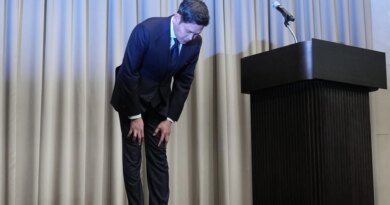
“These are people who have made the horrific choice to join a dangerous terrorist organization and to place their children in an unspeakable situation,” Australia’s minister for home affairs, Tony Burke, said in a statement this week.
In 2023, authorities in Australia charged one woman who returned from Syria with entering a region controlled by a terrorist organization. She pleaded guilty and received a suspended sentence on the condition of 25 months’ good behavior, supervision and psychological counseling.
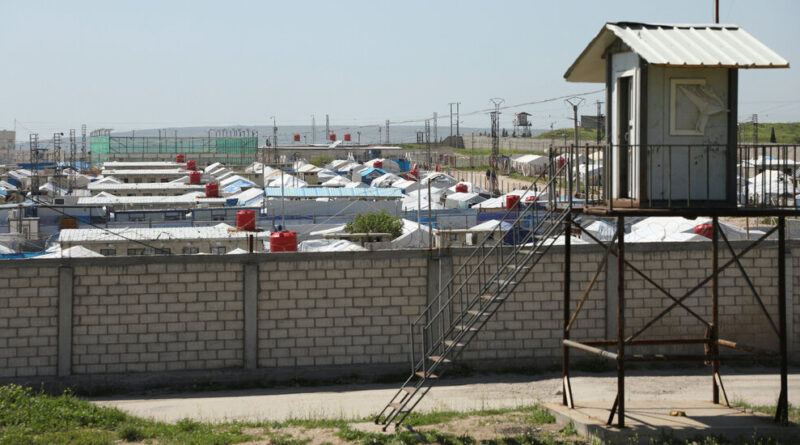
This week’s Australian returnees made their way back from Al Roj camp, near Syria’s border with Iraq and Turkey.
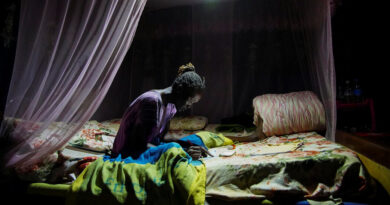
Some of the women making the journey to Australia told a journalist with the Australian Broadcasting Corporation while transiting through Doha airport on Wednesday that their children expected Australia to be “like paradise,” and that conditions in the camp had been like hell.
Seven women and 14 children of Australian nationality still remain in the camp, according to rights groups that provide humanitarian relief there. Australian officials have previously issued a “temporary exclusion order” barring one individual from returning, but have declined to provide details.
Mat Tinkler, the chief executive officer of Save the Children Australia, said family members of the women and children had traveled to the region to negotiate their release from the camp.
“The Australian government has abrogated its responsibility and forced family members to take matters into their own hands,” he said. “The reality is they are Australian citizens, and they don’t have another place to go.”
Human Rights Watch said in a report in February that some 2,300 foreign women and children remained in Al Roj camp, where some said they were subject to raids, beatings and extortion by Kurdish internal security forces.