Co-founder Max Hodak joins the agenda lineup on Disrupt 2026 | TechCrunch
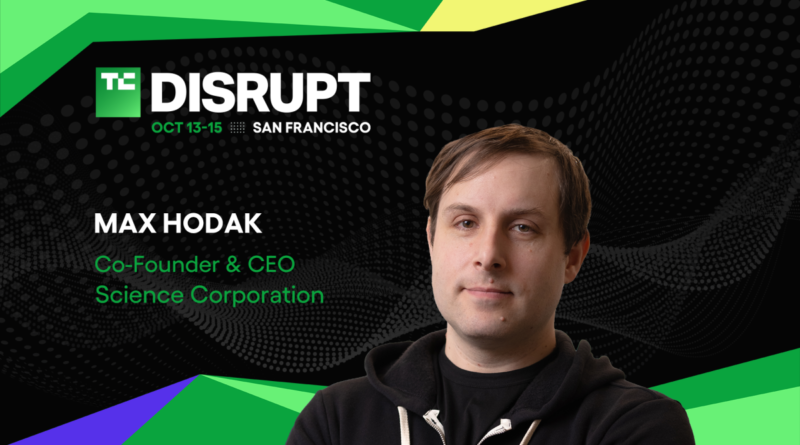
When you imagine working with a computer, you likely think of keyboards, clicks, or typing on your phone. Science Corporation CEO Max Hodak has spent the last several months advancing a different vision. His company has enlisted a top neurobiologist to lead the first U.S. human trials for its biohybrid brain-computer interface. Hodak shares what his company has discovered so far with the 10,000+ tech leaders, founders, and investors at TechCrunch Disrupt 2026.
At his Beyond Screens session on the Disrupt Stage, Hodak will make the case for why the next era of technology could be built upon a different kind of interface, one that adapts to us from brain-computer interactions to create new ways of engaging with machines.
Join Disrupt as it returns to Moscone West in San Francisco on October 13-15, bringing together more than 10,000 founders, investors, and startup community members across more than 250 sessions. This year, we have a particular focus on building sustainable AI companies, with AI-centric programming extending across six industry stages.
Secure your Disrupt pass today to save up to $200 on your ticket and hear one of Silicon Valley’s most ambitious founders explore a post-screen future.
Hodak’s path toward reinventing interfaces
Hodak’s career reads like a running bet that the interface between humans and machines has plenty of room for improvement. Having started programming at six years old, he studied biomedical engineering at Duke Pratt School of Engineering, and worked his way into Miguel Nicolelis’ brain-computer interface lab, interests that inform his work to this day.
He originally co-founded Transcriptic, a robotic cloud laboratory for the life sciences. But most famously, he co-founded Neuralink in 2016 and served as its initial president, helping build the company that put brain implants into the public imagination. Then in 2021, he founded Science Corporation to develop advanced neural engineering and brain-computer interface technology. The company has a particular focus on applications to aid those in need of help with vision, cognition, and mobility.
And it’s not all speculation: Science Corp’s PRIMA implant has already restored eyesight in people with severe vision loss, using a pair of glasses with a tiny camera that beams a captured scene onto a chip implanted in the retina. Since its founding, it’s raised $230 million in a Series C round at a $1.5 billion valuation, and the company’s ambitions go beyond interfaces. Hodak sees additional applications of Science Corp’s brain-implanted sensors helping heal damaged brain cells, warning about seizures, and maybe even helping treat conditions as severe as Parkinson’s disease.
Hear from one of Silicon Valley’s most ambitious founders, only at Disrupt
This is your best chance to learn how Hodak thinks the interface between people and machines is about to change, and the many ways that could impact your startup, your role, and maybe your life.
Take a look at the Disrupt agenda and choose your Disrupt ticket before savings of up to $200 expire September 25. Save up to 30% if you register as a group.

When you purchase through links in our articles, we may earn a small commission. This doesn’t affect our editorial independence.