Best Chicken Seasoning Recipe (11 Pantry Staples!)
This is the best chicken seasoning recipe you’ll ever make! With 11 simple pantry spices, this all-purpose homemade chicken seasoning blend adds incredible flavor to baked, grilled, air-fried, or smoked chicken — and it comes together in just 5 minutes.

If there’s one recipe I think every home cook should have in their back pocket, it’s a really good homemade chicken seasoning. I’ve been making this blend for years, and it’s honestly one of the most-used things in my kitchen. Whether I’m meal prepping chicken breasts for the week, throwing thighs on the grill, or tossing drumsticks in the air fryer, this seasoning never lets me down.
What makes this the best seasoning for chicken? It hits all the right notes — a little smoky from the paprika and chili powder, warmth from the cumin and thyme, a hint of sweetness from the brown sugar, and just enough heat from the red pepper flakes. It’s versatile, balanced, and miles better than anything you’ll find at the store.
Why Homemade Chicken Seasoning Beats Store-Bought
I love a good shortcut as much as anyone, but when it comes to chicken seasoning, homemade is always the way to go. Here’s why I stopped reaching for McCormick, Lawry’s, and other store-bought blends:
- No fillers or additives: Store-bought seasoning blends often contain silicon dioxide (an anti-caking agent), modified corn starch, maltodextrin, and other ingredients you don’t need. My homemade blend is just pure spices.
- Fresher flavor: Pre-made blends can sit on grocery store shelves for months (or longer). When you mix your own, you’re starting with your freshest spices, which means bolder, more vibrant flavor.
- Total control over salt and heat: Store-bought blends are often loaded with sodium. When you make your own, you decide exactly how much salt and spice goes in.
- Way more affordable: You likely already have most of these spices in your pantry. A single batch costs pennies compared to a $4-6 jar from the store.
- Customizable: Want more heat? Add extra red pepper flakes. Prefer a smokier blend? Increase the paprika. Homemade means you can tweak it to your taste every single time.
What Spices Are in This Chicken Seasoning?
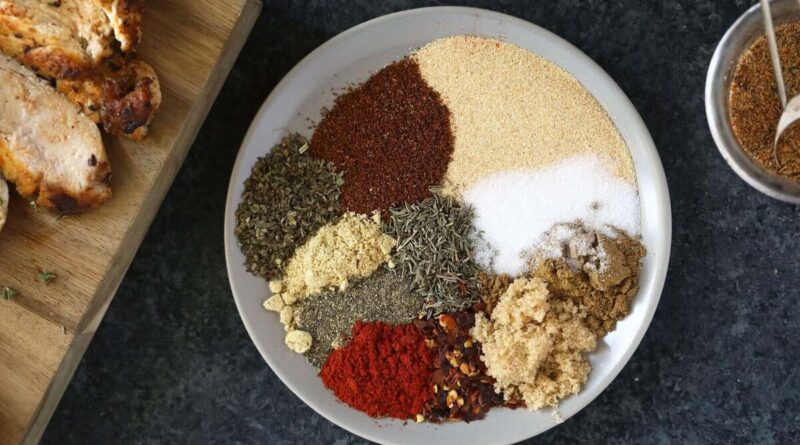
This chicken seasoning recipe uses 11 everyday spices that you probably already have on hand. Here’s what goes into the blend and why each one matters:
- Garlic powder: The backbone of almost every good seasoning blend. It adds a savory, slightly sweet depth that pairs beautifully with chicken.
- Paprika: Brings a mild sweetness and gorgeous color. I use regular paprika here, but smoked paprika is a great swap if you want a smokier vibe.
- Chili powder: Adds warmth and a touch of earthiness without being too spicy.
- Cumin: One of my favorite spices — it gives the blend that warm, slightly nutty quality that makes it taste complex.
- Dried thyme: A classic poultry herb. It adds an herby, slightly floral note that rounds everything out.
- Ground mustard: A secret weapon! It adds a subtle tang and helps all the other flavors pop.
- Dried basil: Brings a gentle sweetness and an herby freshness to the mix.
- Ground black pepper: A little bite and warmth in every sprinkle.
- Red pepper flakes: Just a pinch for a subtle kick. You can leave these out if you’re sensitive to heat.
- Sea salt: Ties all the flavors together. Adjust the amount based on your preference.
- Brown sugar: Just a small amount to balance the heat and spice with a touch of sweetness — it also helps create an amazing crust when you cook the chicken.
How to Make Chicken Seasoning
Making this homemade chicken seasoning blend couldn’t be simpler:
- Measure: Add all 11 spices to a small bowl or jar.
- Mix: Whisk or shake until everything is evenly combined.
- Store: Transfer to an airtight container or spice jar. That’s it!
The whole process takes about 5 minutes, and you’ll have enough seasoning for multiple meals. I like to make a double or quadruple batch so I always have some ready to go.
Batch Sizing Guide
Want to make a bigger batch? Here’s a handy reference table so you can scale this chicken seasoning powder up or down. The 1x batch makes about 1/4 cup of seasoning.
| Ingredient | 1x Batch | 2x Batch | 4x Batch |
|---|---|---|---|
| Garlic powder | 1 tsp | 2 tsp | 4 tsp |
| Chili powder | 1 tsp | 2 tsp | 4 tsp |
| Cumin | 1 tsp | 2 tsp | 4 tsp |
| Dried thyme | 1 tsp | 2 tsp | 4 tsp |
| Ground mustard | ½ tsp | 1 tsp | 2 tsp |
| Dried basil | ½ tsp | 1 tsp | 2 tsp |
| Ground black pepper | ½ tsp | 1 tsp | 2 tsp |
| Red pepper flakes | ¼ tsp | ½ tsp | 1 tsp |
| Sea salt | 1 tsp | 2 tsp | 4 tsp |
| Paprika | 1 tsp | 2 tsp | 4 tsp |
| Brown sugar | 1 tsp | 2 tsp | 4 tsp |
Pro tip: A 4x batch is perfect for meal prep lovers. Store it in a mason jar and you’ll be set for weeks.
How Much Seasoning per Pound of Chicken?
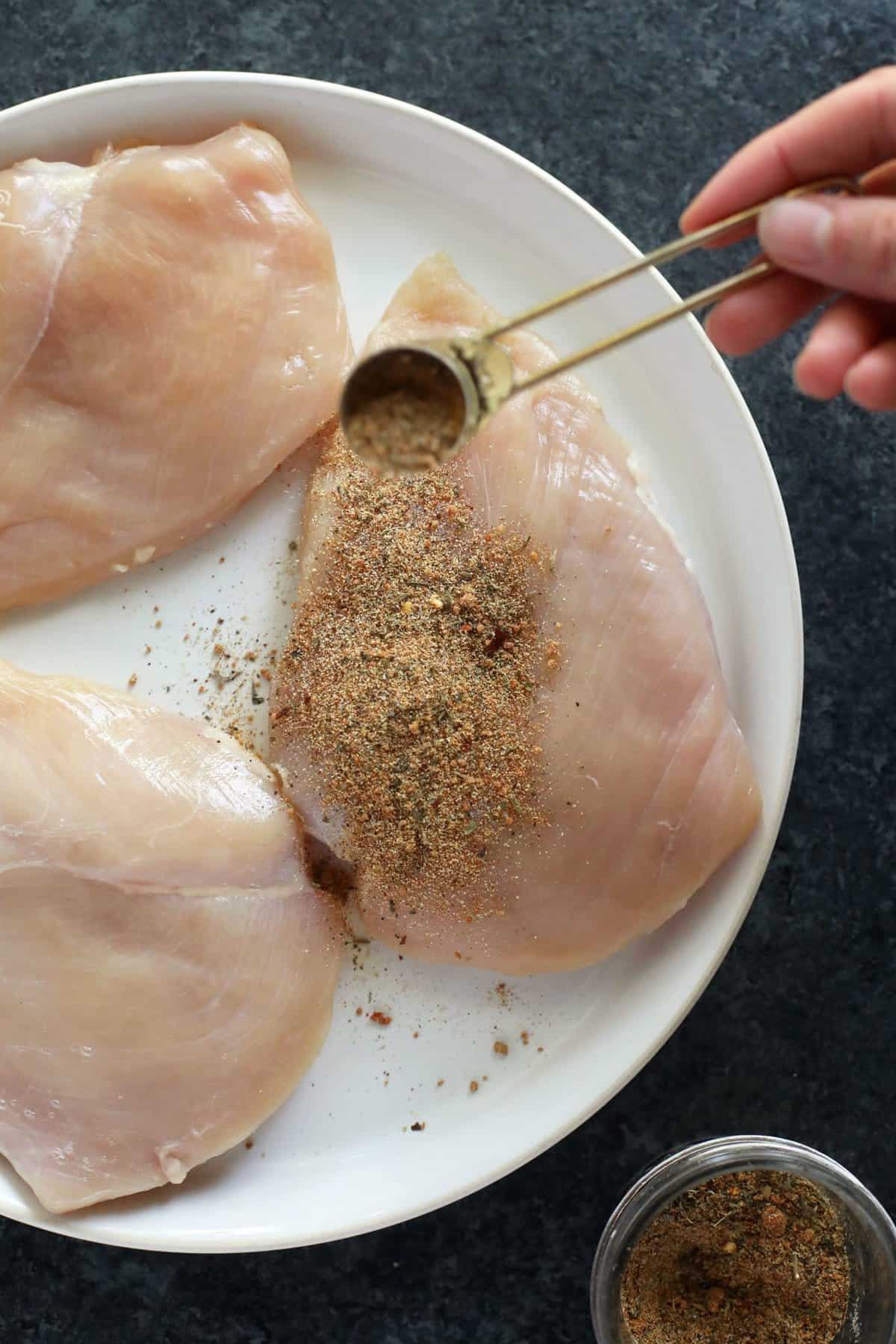
A good rule of thumb is about 1 tablespoon of seasoning per pound of chicken. That said, I always encourage you to season to taste — you can’t really go wrong with a little more! Here’s a quick breakdown:
- Chicken breasts (boneless, skinless): About 1 tablespoon per pound. Pat the chicken dry first, then rub the seasoning all over.
- Bone-in, skin-on pieces: Use closer to 1.5 tablespoons per pound. Gently lift the skin and season underneath for the most flavor, then season the outside too.
- Whole chicken: Use about 2-3 tablespoons total. Season the cavity, under the skin, and all over the outside.
- Chicken wings: About 1 tablespoon per pound. Toss the wings in a little oil first so the seasoning sticks.
For maximum flavor, let the seasoned chicken rest for at least 15-30 minutes before cooking. If you have time, refrigerate it for up to 2 hours (or even overnight) — the longer it sits, the deeper the flavor penetrates.
Tips for Maximum Flavor
After making this chicken seasoning blend dozens of times, I’ve picked up a few tricks that really take it to the next level:
- Pat your chicken dry: This is the number one tip for better seasoning adhesion and crispier skin. Use paper towels to remove any excess moisture before applying the seasoning.
- Use oil as a binder: A light drizzle of olive oil or avocado oil helps the seasoning stick to the chicken and creates a better crust when cooking.
- Toast your spices (optional): For a deeper, more complex flavor, lightly toast the whole spices in a dry skillet for 1-2 minutes before grinding and mixing. This is especially nice if you’re grilling.
- Season in advance: If you can plan ahead, season your chicken and refrigerate it for at least 30 minutes (or up to overnight). This gives the flavors time to really sink in.
- Don’t forget the underside: Season all surfaces of the chicken — top, bottom, and sides. For bone-in pieces, get seasoning under the skin too.
- Bring chicken to room temp: Take seasoned chicken out of the fridge about 15 minutes before cooking for more even results.
Best Cooking Methods for Seasoned Chicken
One of my favorite things about this all-purpose chicken seasoning is how well it works across every cooking method. Here’s how to get the best results with each one:
Baked Chicken
Baking is my go-to for meal prep. Season your chicken breasts, place them in a baking dish, and bake at 400°F for 20-25 minutes (depending on thickness) until the internal temperature reaches 165°F. The brown sugar in this blend creates a gorgeous, slightly caramelized exterior. Try my baked chicken breast recipe for detailed instructions.
Grilled Chicken
Grilling is where this seasoning really shines. The heat brings out the smoky, complex flavors. Preheat your grill to medium-high (around 425°F), oil the grates, and grill chicken breasts for 6-8 minutes per side. Let it rest for 5 minutes before slicing.
Air Fryer Chicken
The air fryer gives you that crispy, golden exterior without a ton of oil. Season your chicken, lightly spray with cooking spray, and air fry at 380°F for 10-12 minutes per side (for breasts) or until the internal temp hits 165°F. Check out my air fryer chicken breast recipe for more tips.
Smoked Chicken
If you have a smoker, this seasoning is incredible on smoked chicken. The low-and-slow method intensifies every spice. Smoke at 225-250°F for about 1-2 hours (for breasts) or until the internal temperature reaches 165°F. I recommend using a heavier hand with the seasoning when smoking since some flavor dissipates during the long cook time.
Seasoning by Cooking Method
While this all-purpose blend works beautifully with any cooking method, certain techniques bring out different flavor profiles. Here’s a quick guide to help you customize:
| Cooking Method | Best Flavor Notes to Emphasize | Tip |
|---|---|---|
| Baking (400°F) | Paprika, brown sugar, thyme | The sugar caramelizes in the oven for a gorgeous crust |
| Grilling (medium-high) | Cumin, chili powder, garlic powder | Add a pinch of smoked paprika for extra depth |
| Air Frying (380°F) | Garlic powder, paprika, black pepper | Light oil spray helps the seasoning crisp up |
| Smoking (225-250°F) | Paprika, cumin, brown sugar | Use 1.5x seasoning — some flavor fades during the long cook |
| Pan-Searing (medium-high) | Garlic powder, thyme, mustard | Press seasoning into chicken firmly; sear in a hot skillet with oil |
| Slow Cooker (low, 6-8 hrs) | Cumin, chili powder, basil | Season generously — liquid dilutes flavor |
| Instant Pot (high pressure) | Garlic powder, paprika, thyme | Season before pressure cooking for deeper flavor |
Variations
One of the best things about making your own homemade chicken seasoning is that you can easily customize it. Here are some of my favorite variations:
- Smoky blend: Swap regular paprika for smoked paprika and add ½ teaspoon of chipotle powder.
- Lemon herb: Add 1 teaspoon of dried lemon zest or lemon pepper seasoning and an extra ½ teaspoon of dried basil.
- Spicy kick: Double the red pepper flakes and add ½ teaspoon of cayenne pepper.
- Italian-inspired: Add 1 teaspoon each of dried oregano and dried rosemary. This is amazing on baked chicken thighs.
- Pollo seasoning: Increase the cumin to 1.5 teaspoons and add ½ teaspoon of dried oregano and a pinch of coriander for a Latin-inspired spin.
- Low-sodium: Simply reduce or omit the sea salt. The spice blend is so flavorful that you won’t miss it!
- Sugar-free: Leave out the brown sugar. You’ll lose a bit of the caramelization, but the seasoning will still be delicious.
How to Store Homemade Chicken Seasoning
Proper storage keeps your chicken seasoning powder fresh and flavorful for months:
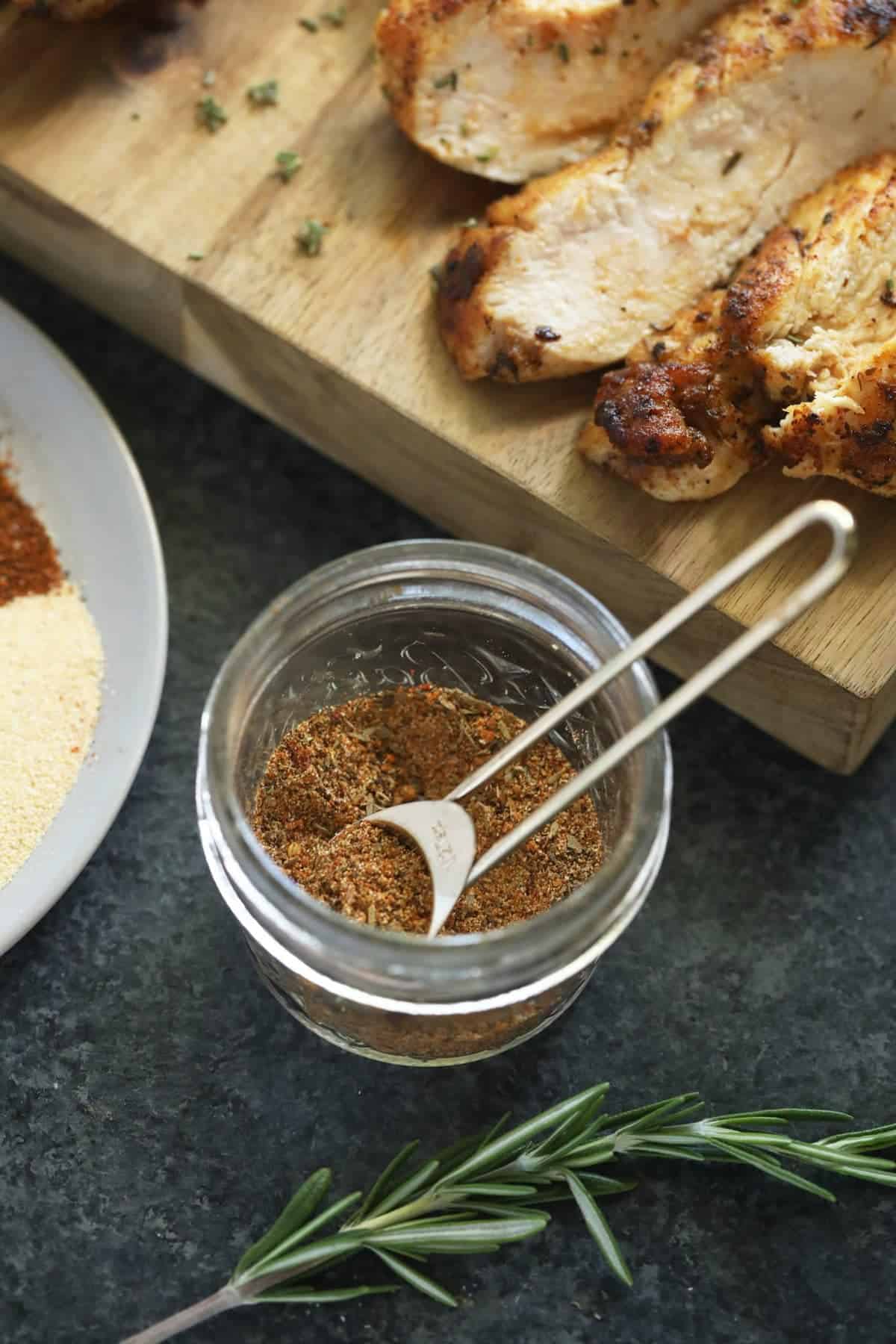
- Container: Store in an airtight container — a small mason jar, a recycled spice jar, or a small Weck jar all work great.
- Location: Keep it in a cool, dry, dark place like your spice cabinet or pantry. Avoid storing near the stove where heat and steam can degrade the spices.
- Shelf life: This homemade blend will stay fresh for 4-6 months when stored properly. After that, the spices won’t go bad, but they will lose potency. Give it a sniff — if the aroma is faint, it’s time to mix a fresh batch.
- Label it: I always put a small piece of tape on my jar with the date I made it. Future you will be grateful!
Homemade Seasoning Recipes
If you love making your own spice blends (and I think you will after trying this one!), here are more of my favorite homemade seasoning recipes:

FAQs
Absolutely! While I designed this blend with chicken in mind, it works beautifully on pork chops, turkey, fish, and even ground beef. The all-purpose flavor profile means it pairs well with virtually any protein. I especially love it on pork tenderloin and roasted turkey breast.
Not quite. Traditional poultry seasoning is usually a blend of sage, thyme, rosemary, marjoram, and nutmeg — it has a very herb-forward, Thanksgiving-style flavor. This chicken seasoning is more of an all-purpose blend with smokier, warmer spices like paprika, cumin, and chili powder. Both are great on chicken, but they create very different flavor profiles.
Yes! Simply leave out the sea salt for a salt-free version. The blend is packed with so much flavor from the other 10 spices that it’s still delicious without it. This is a great option if you’re watching your sodium intake or prefer to salt your chicken separately.
For boneless cuts (like chicken breasts or tenders), use about 1 tablespoon of seasoning per pound. For bone-in, skin-on pieces (like thighs or drumsticks), increase to about 1.5 tablespoons per pound. The bone and skin act as a barrier, so you need a bit more seasoning to get the same depth of flavor. Be sure to season under the skin when possible.
For the seasoning blend itself, I recommend sticking with dried herbs since fresh herbs add moisture and won’t store well. However, if you’re using the seasoning right away (not storing it), you can absolutely add fresh thyme or basil along with the dried spice blend for an extra pop of flavor. Use about 3x the amount of fresh herbs compared to dried.
A seasoning is a dry blend of spices, while a rub is a seasoning that’s been combined with a bit of oil, mustard, or another wet ingredient and physically rubbed onto the meat. This recipe works perfectly as both! Use it as a dry seasoning by sprinkling it on, or turn it into a rub by mixing it with a tablespoon of olive oil before massaging it into the chicken.
Yes — and I highly recommend it! This blend is amazing on roasted vegetables like sweet potatoes, cauliflower, broccoli, and zucchini. Toss your veggies with a little olive oil and about 1 teaspoon of seasoning per cup of chopped vegetables, then roast at 400°F until tender and caramelized.
For a whole roasted chicken (4-5 pounds), use about 2-3 tablespoons of seasoning. Season the inside of the cavity, then loosen the skin over the breast and thighs and rub seasoning directly onto the meat underneath. Finish by seasoning the outside of the skin generously. Let it rest in the fridge for at least 1 hour (or overnight) before roasting for the best results.
When stored in an airtight container in a cool, dry place, this homemade chicken seasoning will stay fresh and flavorful for 4-6 months. The spices won’t spoil after that, but they will gradually lose their potency. If your blend smells weak or flat, it’s time to whip up a new batch.
-
Place all ingredients for the chicken seasoning into a large glass container or Mason jar.
-
Then, stir the spices together to create your rub.
-
Seal jar and store in a dry, cool place.
-
To season chicken: use around 1 tablespoon of seasoning per 1 lb. of chicken. Pat your chicken dry and then sprinkle the seasoning on top of the chicken. Lightly rub the seasonings into the chicken. Let sit for 15 minutes and then cook using your favorite method.
- This recipe yields 5 teaspoons (a little more than 1.5 tablespoons) of seasoning. Feel free to double or triple this for leftovers!
- Per 1 lb. of chicken, use 1 tablespoon of chicken seasoning.
- Feel free to double or triple this recipe to make extra seasoning.
[adthrive-in-post-video-player video-id=”d8LcOqTz” upload-date=”2021-10-21T00:00:00.000Z” name=”All-Purpose Chicken Seasoning” description=”Are you looking for the best seasoning for chicken on the internet? You found it! This flavorful all-purpose chicken seasoning can be used to season breasts, legs, thighs, whole chickens, and more!”]
Calories: 49 kcal, Carbohydrates: 7 g, Protein: 2 g, Fat: 2 g, Fiber: 2 g, Sugar: 2 g
Nutrition information is automatically calculated, so should only be used as an approximation.