
Tim Cook warns Apple may raise prices as memory costs surge
If you’ve been eyeing a new iPhone, MacBook, or iPad, waiting to buy one could get more expensive.
The culprit isn’t tariffs or flashy new features. It’s memory.
CEO Tim Cook told The Wall Street Journal in an exclusive interview published on Wednesday that Apple could raise prices on some of its products as a global shortage of memory chips drives up costs across the consumer electronics industry,
“Unfortunately, price increases are unavoidable,” Cook said. “We’re doing our best to mitigate the huge increases that are being passed to us, and we’ve been trying to shield our customers from the increases, but the situation has become unsustainable.”
“There’s less supply at a time when consumers want devices and the memory guys are passing along huge price increases,” Cook added. “We definitely need memory pricing and supply to return to reasonable levels for consumer products. That’s the bottom line.”
Cook, who called the price fluctuation in memory “a hundred-year flood,” did not specify when the increases would arrive, how large they would be, or which products would be affected.
The warning comes as AI companies race to build ever-larger models and snap up huge quantities of memory chips used in data centers. That surge in demand is squeezing supplies of the DRAM and NAND chips that power everyday gadgets, from laptops to smartphones.
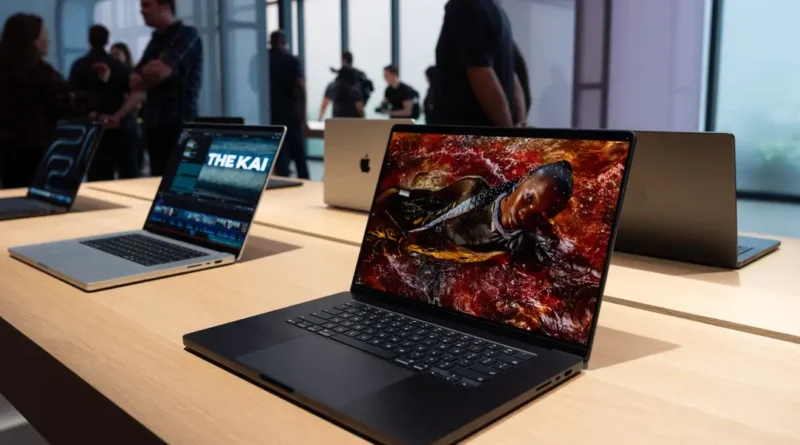
Apple raised prices on its latest MacBook lineup earlier this year. The 14-inch MacBook Pro with the M5 Pro chip jumped to $2,199 from $1,999, and the 16-inch model rose to $2,699 from $2,499.
Other tech companies, including Microsoft, have also increased prices as memory costs soar. Intel CEO Lip-Bu Tan recently predicted the industry could see “no relief until 2028.”
For shoppers, that means the laptop or phone sitting in your online cart today could cost noticeably more tomorrow.