French Open 2026: What is life like on lower rung of tennis tour?
For most players, it is simple: more cash means more support.
Britain’s Toby Samuel earned £75,000 in Paris after coming through qualifying to reach a Grand Slam main draw for the first time. That is enough to fund the rest of his season.
“These events are where you make real money that can boost your career and pay for a strength and conditioning coach, or 10 more tennis coaches,” Samuel said.
“As you do better at Grand Slams and get more money, everything off the court becomes a bit easier and helps you on the court.”
Hiring a coach on a full-time basis, alongside a physiotherapist or fitness trainer, makes up the bulk of outgoings.
“It all costs a lot of money. I feel that a lot of people outside tennis don’t really understand that,” said Australia’s Rinky Hijikata, who remembers not eating proper meals to save cash.
“To invest back into your own game takes a lot of money and effort.”
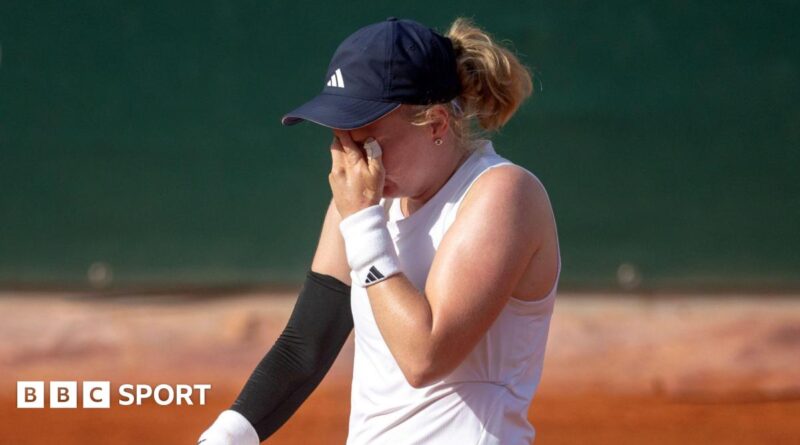
Friedsam estimates that she needs to win about £300,000 a season to break even.
If she does not bring in enough cash, she will go to the next tournament without a coach.
The global nature of tennis means constant international travel, and for players coming from more remote areas, funding flights is even more difficult.
Bolivia’s Juan Carlos Prado Angelo, who reached his first Grand Slam main draw at Roland Garros, says affording travel is “very difficult for every player” from South America.
The 21-year-old has an added complication. Coming from a country with a lack of tennis pedigree, he has had to go outside Bolivia to find the professional expertise he needs.
“I live in Bolivia and all my team – except for my coach – are from Argentina,” Prado Angelo said.
“I train half in Buenos Aires and half in Bolivia, so I have to pay to take them to Bolivia and then I need to travel to Argentina. It’s expensive.”