
Living abroad 20 years ago changed how we shop for groceries and plan meals. Now, we eat better and waste less food.
My husband, Ethan, and I both grew up in suburban immigrant households with two fridges and two freezers each. Groceries were shopped for weekly, by car, and the pantry was always packed with multiples of every item.
Though we come from different cultural backgrounds, our families shared their definition of abundance; having a full pantry was a responsibility — you never knew who would end up with their elbows pressed against your Sunday table.
If there were a global emergency, we’d be ready. If the power went out, though, we’d lose a modest fortune. Today, my and Ethan’s reality couldn’t be more different.
Years spent living overseas have shaped how we shop for food and plan meals
Our time in Europe pushed us to shop often and focus on fresh ingredients. Kristina Kasparian
In our 20s, Ethan and I spent three months in Italy every summer. In our flats in Florence and Venice, we started experimenting with cookinginventing recipes based on our tastes and what was in season.
Food played a key part in our burgeoning independence away from home and in fostering our connection as a couple.
Later, as I spent years living on my own across Europe while pursuing an international master’s degree (and missing Ethan), food became a source of comfort.
I’d visit fresh markets and linger by the produce and seafood vendors, expanding my vocabulary and losing track of time. At first, I was an observer hiding behind my camera lens. Slowly, I became an active participant.
I’d listen to the locals’ chatter, imitate them, and ask for recommendations. I became adventurous in my cooking, even for one. I’d wedge my laptop in a cupboard so Ethan would be “there” on Skype as I prepared dinner and ate.
Now, 20 years later, back in our hometown of Montreal, we’ve stuck to a lot of habits we created abroad.
When we lived in European cities with local grocers and weekly markets, seasonality and human connection determined the flavorful finds we’d carry back to our flat, and we got used to buying groceries one day at a time.
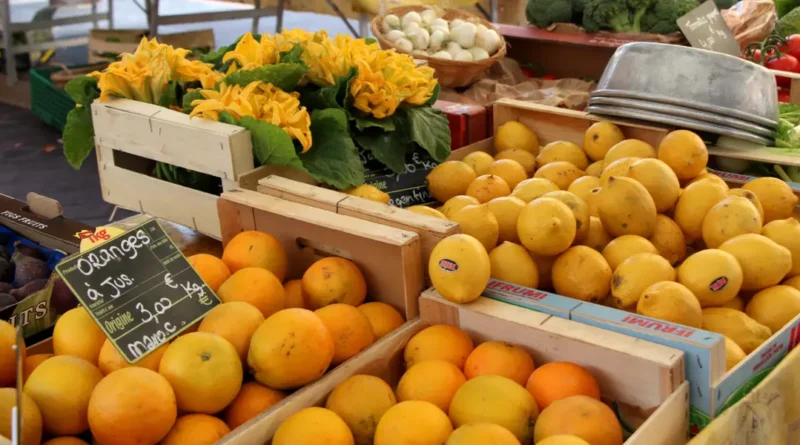
We still try to avoid big retailers with bulk quantities and out-of-season produce, instead gravitating toward small fruiteries and open-air markets that remind us of our lives in Europe.
Typically, we maintain a bare-bones inventory of freezer and pantry staples at home, and shop daily for whatever we decide to cook for dinner.
Although this system isn’t always cost-effective, we find that it greatly contributes to our physical and mental health.
Shopping locally and buying our food one day at a time has been good for us
Small-basket grocery shopping feels good for our brains. Kristina Kasparian
Since we live in a walkable cityshopping daily helps us get extra steps and fresh air. In many ways, daily grocery shopping feels like a form of self-care and a way to stay grounded rather than a chore.
Deciding on dinner one day at a time also allows for flexibility based on how we’re feeling and what we’ve eaten earlier in the day.
Plus, shopping small and daily helps nurture our relationship. We text or call each other every afternoon to touch base on what we’d like for dinner.
When one of us is overwhelmed, the other proposes ideas. It’s a moment of midday connection.
Shopping daily in small quantities helps us reduce food waste. Kristina Kasparian
Although planning ahead might alleviate the cognitive load, it’s not always easy for a person with an inflammatory chronic illness like endometriosis to commit to meals several days in advance.
If I don’t feel able to eat red meat or gluten, for example, it’s a relief not to have a set meal plan and ingredients in the fridge that could go to waste.
Our way of living has shown me that eating can feel safe and grounded in intention, especially as a person who struggled with an eating disorder as a teen and digestive disturbances her entire adult life.
Plus, buying food daily helps us keep our pantry and freezer streamlined and clean. I love always being able to see exactly what we have.
This lifestyle isn’t feasible for everyone, but it works for us
Our mindset around shopping and cooking has been shaped by our lives as two young adults coming of age abroad. Kristina Kasparian
Transparently, living in a walkable city and shopping for only two definitely makes this lifestyle easier to sustain.
Each day, we put thought into our menus and, after shopping, take time to prepare dinner while catching up on our days and dancing to music.
We only have one rule: eating a meal should take as long as it takes to prepare it. So, we make sure to savor our food and put our forks down between each bite.
Sure, our parents still encourage us to load up our pantry and buy in bulk at Costcobut my husband and I are pretty set in our ways. We shop on foot, never buy too much, and haul our groceries home.
We might not benefit from the cost savings of sales and bulk buys, but we don’t waste much food and are really mindful about what we purchase.
After 20 years of approaching food this way, we’d never go back to suburban stockpiling. Plus, when we travel, it feels like we’re right at home.