US Vice President Vance declines to say he would have ordered Iran strikes
By Bo Erickson and Jacob Bogage
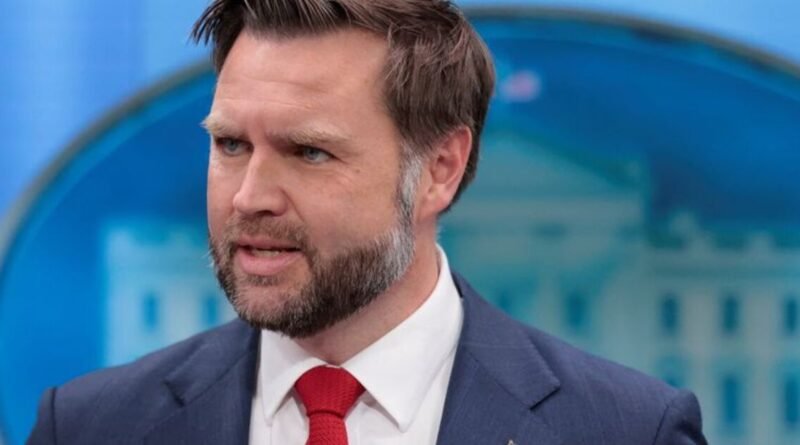
WASHINGTON, Nov 20 (Reuters) – US Vice President JD Vance on Friday declined to say whether he would have authorized strikes on Iran to prevent the country from developing a nuclear weapon, sidestepping President Donald Trump’s calls for him to say the attacks were necessary and that he would carry them out again.
Speaking at a White House press conference alongside Trump, Vance said the decision to attack Iran in February was Trump’s call, “and my job is to support the president of the United States.”
The answer underscored thedelicate balancing act the vice president and his party face as the Iran conflict creates domestic political challenges.
In a blunt midterm election postmortem, Vance blamed the war for Republicans’ historic losses and called for the US to exit the conflict. Many viewed his statement, posted on social media, as a break with Trump as the vice president considers a 2028 White House bid.
“The reason we lost is the war,” Vance wrote. “The president himself said so last night. If you’d like to argue it was worth it, that losing the Senate for the next 6 years was worth it, then do so. Argue it was a worthwhile cost to pay.”
Trump on Friday said he was not unhappy with Vance’s conclusion, but said it lacked a crucial element: an acknowledgment that the strikes were necessary and that Vance would make the same decision.
“People that work for me, they have a right to their opinion,” Trump said. “But I say, I know the Iranians, and, frankly, they’re crazy.”
When asked later in the press conference if the war was worth Republicans’ steep congressional losses, Vance did not explicitly endorse the operation.
“What I’ve said is the goal of keeping Iran from getting a nuclear weapon is absolutely what we need to be doing,” Vance said. “It’s the biggest state sponsor of terrorism. If they had a nuclear weapon, they would use it as leverage, or, God forbid, they would attack and kill thousands, hundreds of thousands, potentially of innocent people.
“And I think the president is the one who makes the decision, and the president has said he would do it again. And my view is that my goal is and my job is to support the president of the United States.”
Vance has long opposed the war and acted as Washington’s main emissary for peace talks, brokering a short-lived provisional truce over the summer that quickly fell apart.
In recent weeks, he sent personal correspondence to hardliners in Tehran to restart negotiations. But Trump called off the engagements shortly after Vance published his post-campaign assessment, telling the vice president to focus on domestic policy.
“We don’t need a deal with Iran,” Trump wrote on social media, announcing his direction to Vance. “Those days have long since passed.”
Trump returned on Thursday from a four-day diplomatic trip through Asia, which culminated in an unprecedented trilateral meeting with Chinese President XiJinping and Russian President Vladimir Putin.
Trump faced criticism for meeting — and exchanging warm greetings — with both leaders. He hugged Xi after landing in China and called Putin “my friend.”
White House officials cast the meeting as a show of mature statesmanship, arguing that Trump’s relationships, even with US adversaries, displayed Washington’s global strength.
Vance, who remained in Washington, was the trip’s chief cheerleader. He quipped during the press conference that remaining stateside during Trump’s mission was like the 1990 family comedy film “Home Alone.”
“It’s amazing what’s possible when you give diplomacy a real chance,” he wrote Thursday on social media.
(Reporting by Jacob Bogage; Editing by Colleen Jenkins and Cynthia Osterman)