4 Simple Habits Linked to a Longer Life
Small, science-backed changes that add up over time.
When it comes to living a long, healthy life, you don’t need to overhaul your diet, swear off your favorite foods, or follow a complicated set of rules. Some of the most powerful habits are surprisingly simple.
That’s great news, because I’m a BIG believer that the healthiest habits are the ones you can realistically stick with.
I dug into the research and pulled together four doable strategies that can help support your metabolism and heart health… and may even play a role in longevity. Think of them as little upgrades, not rigid rules. Pick the one that feels most manageable, give it a try, and build from there.
1. Close the kitchen after 12 hours
Here’s an easy place to start. Instead of grazing from early morning until late at night, try keeping your meals and snacks within a roughly 12-hour window during the day.
Why might it matter? A recent study that followed more than 33,000 U.S. adults found a U-shaped relationship between daily eating windows and mortality. People who ate over roughly 11 to 12 hours a day had the lowest risk, while very short and very long eating windows were both linked to higher risk. This was an observational study, so it can’t prove that timing itself helped people live longer. But it’s a compelling pattern.
And notice I’m not suggesting an extreme fasting schedule. No skipping breakfast because the clock says so, and no white-knuckling your way through hunger. Think of this as a gentle way to put some boundaries around late-night nibbling.
Make it happen: Pick a 12-hour window that fits your life. If you usually eat breakfast around 8 a.m., try wrapping up dinner and evening snacks by about 8 p.m.
2. Take a 10-minute walk after dinner
This may be one of my favorite habits because it requires no special equipment, gym membership, or meal prep. After you eat, get moving.
Research shows that physical activity after a meal can blunt the rise in blood sugar that follows. A systematic review and meta-analysis found that post-meal exercise lowered blood sugar spikes compared with sitting still, and that moving soon after eating appeared especially helpful. One study suggested that starting within 30 minutes of finishing a meal may be ideal.
Here’s why: Working muscles use glucose for fuel. So when you move, your muscles help put some of that circulating sugar to good use.
Take a stroll around the block, walk the dog, tidy up the kitchen, or put on your favorite song and dance around the living room. Studies have looked at different durations and types of activity, but the big takeaway is wonderfully simple: Sitting less and moving more after you eat helps your body handle blood sugar.
Make it happen: Start with a 10-minute walk after one meal a day. Dinner is usually the easiest. Bonus points if you recruit your spouse, a friend, or your pup!
3. Make beans the star of dinner (once or twice a week)
Beans, beans, they’re good for your… longevity?
There’s compelling research connecting eating patterns rich in legumes, whole grains, and nuts (and lower in red and processed meat) with longer life expectancy.
One modeling study published in PLOS Medicine estimated that switching from a typical Western-style diet to an optimized eating pattern at age 60 could add about 8 years of life expectancy for women and nearly 9 years for men. Even making the shift at 80 was linked to an estimated gain of more than three years. These are population-level estimates, not a promise that any one food will add a specific number of years to your life. But they show how much your food choices can matter at any age.
Legumes were among the foods tied to the biggest estimated benefits. And nutritionally, they’re major overachievers. They deliver plant protein, fiber, vitamins, minerals, and other beneficial plant compounds. And this doesn’t mean you have to go vegetarian. I love an approach that leaves room for all kinds of nutritious foods. Just let plants take center stage a little more often.
Make it happen: Pick one or two dinners each week and make beans or lentils the star. Try my Lentil Bolognese, Plant-Based Tacos, Mediterranean White Bean Salad, Moroccan-Spiced Chickpea Stew, or 3-Bean Veggie Chili.
4. Upgrade one snack a day
I’m not here to tell you that every packaged food is “bad.” Absolutely not. Convenience matters, and plenty of nutritious foods come in a package. But if your day includes a lot of highly processed snacks, swapping just one of them for a less processed option is an easy place to start.
A large 2024 umbrella review covering nearly 10 million participants found that eating more ultra-processed foods was associated with a range of health problems. Another large study followed U.S. health professionals for about three decades. It found that people who ate the most ultra-processed foods had a modestly higher risk of death than those who ate the least. The researchers also found that overall diet quality mattered, and not all ultra-processed foods carried the same risk.
Translation: You don’t need to fear every food that comes in a wrapper. Just add more whole and minimally processed foods wherever it’s easy.
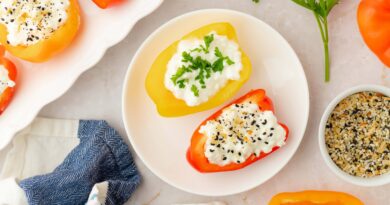
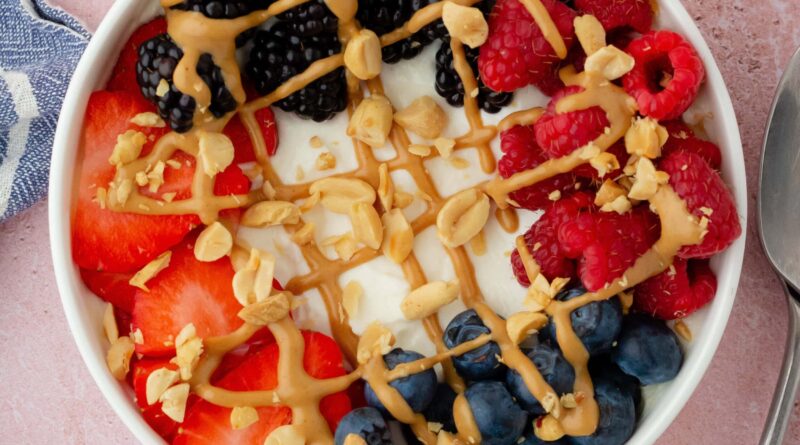
Make it happen: Choose one snack a day to upgrade. Instead of automatically reaching for chips or cookies, try my:
My big takeaway: You don’t need a perfect diet to support healthy aging. Start with one small thing. Take a stroll after dinner tonight….. add lentils to next week’s menu… close the kitchen a little earlier…. trade one packaged snack for fruit and nuts. Then do it again tomorrow. Because when it comes to longevity, the little things you do consistently become the big things over time.
And remember: It’s never too late to start! 💖