WNBA And Players’ Union Fail To Reach Agreement As CBA Expires
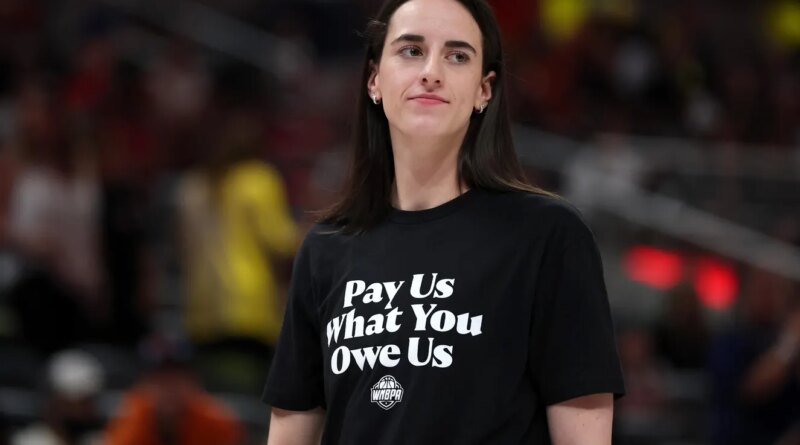
INDIANAPOLIS, INDIANA – JULY 19: Caitlin Clark #22 of the Indiana Fever wears a shirt saying “Pay us what you owe us” prior to the 2025 AT&T WNBA All-Star Game at Gainbridge Fieldhouse on July 19, 2025 in Indianapolis, Indiana. NOTE TO USER: User expressly acknowledges and agrees that, by downloading and or using this photograph, User is consenting to the terms and conditions of the Getty Images License Agreement. (Photo by Steph Chambers/Getty Images)
Getty Images
The WNBA’s collective bargaining agreement expired Friday night after the league and the Players Association (WNBPA) failed to agree on a new labor deal by the Jan. 9 deadline, sending negotiations into a period of status quo and prompting a pause in free agency while both sides continue bargaining.
The expiration marks a pivotal moment for a league that has experienced unprecedented growth in recent seasons but remains divided with its players over issues such as how to share revenues and structure salaries. The deadline came and went without a new agreement or an extension, leaving teams and players in limbo as the league moves toward its 2026 season.
“We are not coming to an agreement by tomorrow, I can tell you that,” New York Liberty star and WNBPA Vice President Breanna Stewart told reporters Thursday, foreshadowing the impasse that ultimately came to pass. Talks will continue “in good faith,” she said, but the sides remain far apart on some fundamental issues.
With the current CBA expired, the league entered what is known in labor law as a status-quo period, under which the existing working conditions remain in effect temporarily while negotiations continue. Neither a strike by players nor a lockout by the league has occurred, but both remain possible if talks deteriorate further.
Revenue, Salaries at Heart of Dispute
UNCASVILLE, CT – JULY 28: The Women’s National Basketball Players Association (WNBPA) logo is seen on a backpack before a WNBA game between the Seattle Storm and the Connecticut Sun on July 28, 2025, at Mohegan Sun Arena in Uncasville, CT. (Photo by Erica Denhoff/Icon Sportswire via Getty Images)
Icon Sportswire via Getty Images
At the core of the disagreement is how the WNBA should divide future revenues and how high salaries and benefits should go. The league has proposed a new compensation structure that would significantly increase player pay. Under the WNBA’s most recent offer, maximum base salaries for the 2026 season would reach at least $1 million and potentially grow to $1.3 million through revenue sharing, up from about $249,000 in 2025. Average salaries could rise above $530,000 under this proposal, while minimum pay could jump from roughly $67,000 to around $250,000.
The league has also proposed that players shoulder certain costs, such as housing, instead of having teams subsidize them, a move that has drawn union pushback.
The union, meanwhile, has pressed for a revenue-sharing model that it says reflects the value players bring to the business. While details of the WNBPA’s proposal have not been publicly confirmed, players and sources familiar with talks have said the union is seeking a structure that includes a larger share of gross revenues for players and a significantly higher salary cap.
Freeze on Free Agency
LAS VEGAS, NEVADA – SEPTEMBER 04: A’ja Wilson #22 of the Las Vegas Aces drives to the basket against Napheesa Collier #24 of the Minnesota Lynx in the first quarter of their game at T-Mobile Arena on September 04, 2025 in Las Vegas, Nevada. NOTE TO USER: User expressly acknowledges and agrees that, by downloading and or using this photograph, User is consenting to the terms and conditions of the Getty Images License Agreement. (Photo by Ethan Miller/Getty Images)
Getty Images
The deadline passing without a new CBA would normally trigger free agency processes, with teams extending qualifying offers and designating core players. But in the wake of the impasse, the two sides reportedly agreed on a moratorium on league business, including free agency, to avoid premature contract moves under an outdated pay system while a new agreement is being crafted.
The moratorium, confirmed by multiple outlets, pauses initial free agency activities such as qualifying offers and core designations until a new deal is finalized.
Technically, the status-quo period allowed teams to start sending qualifying offers as early as Jan. 11, but players were widely expected not to sign in the uncertainty.
Implications for Season, Draft, Expansion
Toronto, ON – May 23: Prime Minister Justin Trudeau and other dignitaries announce the expansion of the WNBA to Canada with a team in Toronto. PD Nick Lachance/Toronto Star Nick Lachance/Toronto Star (Nick Lachance/Toronto Star via Getty Images)
Toronto Star via Getty Images
The delay in finalizing a CBA and the resulting hold on free agency compresses an already packed WNBA offseason. With league expansion adding new teams and an expansion draft looming alongside the college draft and free agency, a late deal could squeeze league operations and delay preparations for the 2026 campaign.
Despite the standoff, both the WNBA and WNBPA have expressed confidence that a deal will ultimately be struck. The league issued a statement saying it remains committed to significantly increasing player compensation while supporting long-term growth, and that negotiations will continue with urgency.
Union leaders, for their part, reiterated their determination to secure terms that reflect player contributions and grow the business collaboratively.
“We recognize the importance of building upon the momentum of unprecedented popularity and growth,” the league said, adding that it aims to reach a deal “as quickly as possible.”
As both sides return to the table, the WNBA’s future benefits and free agency calendar hang in the balance, underscoring the high stakes of the stalled labor talks.