Why Are Ultra Processed Foods So Tasty? And Why Are They So Bad For You?
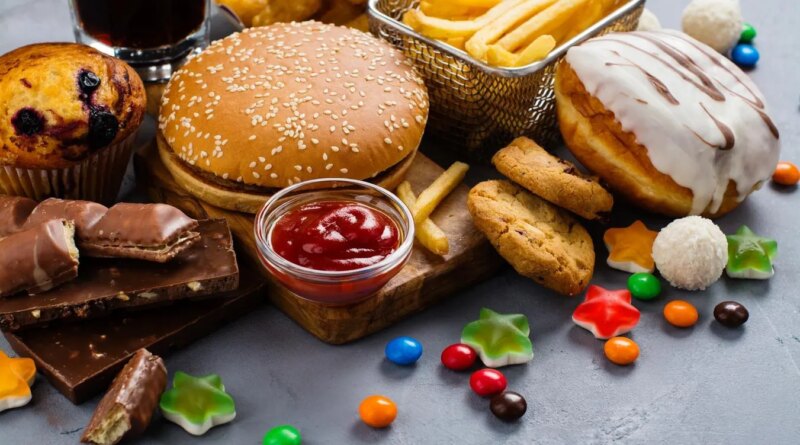
Ultra-processed foods have become a prevalent part of global diets.
getty
A new study published last month in The American Journal of Medicine found that adults that consumed higher rates of ultra-processed foods have a nearly 47% increased risk of cardiovascular disease (CVD). The study entailed nearly 4,700 participants, representing a sample size of the average population.
The umbrella term CVD entails a spectrum of disease stemming from a variety of pathologies that impact the heart and blood vessels. These include conditions such as high blood pressure, high cholesterol and diabetes. Often, many of these pathologies are managed chronically through a variety of interventions, including: lifestyle changes (e.g., diet, exercise etc.), medications (statins for hyperlipidemia management, a variety of new options for diabetes, etc.), and preventative measures (e.g., frequent screening). However, left untreated, these conditions can lead to catastrophic consequences including heart failure, myocardial infarctions (more commonly known as “heart attacks”), long-term metabolic syndrome, liver and kidney failure, and chronic health outcomes that can significantly impact mortality.
Ultra-processed foods have become increasingly viewed as a key reason for growing rates of disease and poor outcomes across the global population. These foods are often laden with a variety of ingredients and products to make them more shelf stable, last longer, more tasty and attractive for consumption. For example, many ready-made foods that are frequently advertised as “ready to eat” or “quick to prepare” are specifically advertised to individuals or families that have busy schedules or lives that seek easier means to prepare their meals. Often, these ready-to-eat meals are par-cooked, have shelf stabilizers added and include specific proportions of fats, carbohydrates and sodium to make them tasty even weeks or months after they were produced.
Furthermore, research has shown that the same methods to attract consumption also lead to more consumption per meal. A study published in Cell Metabolism found that consumption of ultra-processed foods were associated with higher caloric intake, meaning that not only are people increasingly seeking these processed foods, but they are eating more of it at a given time. Higher caloric intake, especially beyond an individual’s total daily energy expenditure levels, can lead to significant deterioration of health via hyperlipidemia, weight gain, and metabolic disease. Additionally, the study also indicated that “consumption of the unprocessed versus ultra-processed diet altered markers of systemic inflammation and oxidative stress,” both of which have been associated with increased rates of cell turnover, systemic deterioration and overall aging.
Other sporadic health impacts were also noted, including a significant increase in LDL (typically noted as harmful cholesterol) as compared to HDL (noted as beneficial cholesterol), as well as hormonal changes leading to lower energy metabolism, lower spermatogenesis and impaired sperm motility.
Despite these negative effects, however, it may be impractical to completely rid normal diets of ultra-processed foods, given just how prevalent they are. In addition to processed groceries and goods, fast-food consumption has also grown significantly, worldwide; in fact, nearly a third of adults in the United States consume fast-food on any given day. Therefore, dietary recommendations have to take health into account, but also must consider the practicalities and preferences of what consumers seek. Thus, individuals should aim to limit their consumption of these foods and focus on increasing consumption of freshly prepared foods, whenever possible. As the Department of Health and Human Services indicates, diets should focus on foods rich with protein, whole grains, vegetables, dairy, and a limitation of added sugars. Slow changes, rather than drastic attempts to cut out entire food groups, all at once, will ultimately prove sustainable in the long run.