Waymo robotaxis are tracking potholes and sharing that data with Waze users | TechCrunch
Two Alphabet-owned businesses are teaming up to find potholes and share it with cities.
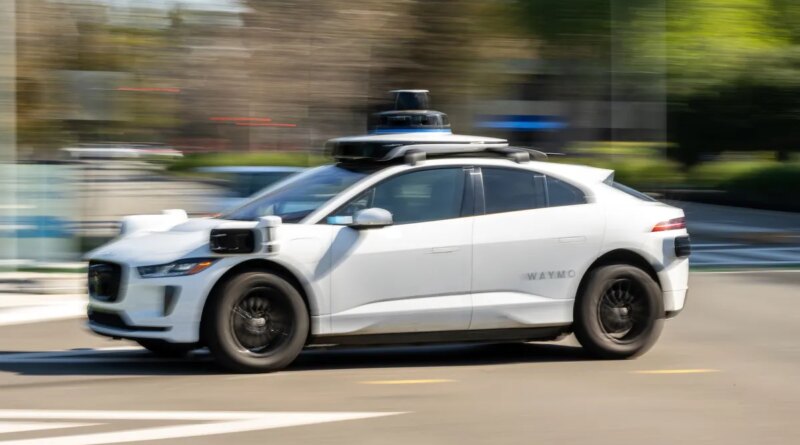
Waymo and Waze announced Thursday a data-sharing pilot program that will funnel pothole data collected by robotaxis to a free Waze platform designed for cities. Any city or state, where Waymo operates, will be able to access that data as the program expands.
Waymo is already operating commercially in 11 cities and its testing in even more. For now, the pilot will focus on five initial markets — Austin, Atlanta, Los Angeles, Phoenix, and the San Francisco Bay Area, where Waymo say it has already identified about 500 potholes. The partnership is expected to expand to more cities over time.
Cities won’t be the only recipients of that data, however. Anyone with a Waze app in the cities where Waymo operates will also have access to that data, and by the way, help verify those potholes locations are accurate.
Waze users have already had the ability to report potholes to the app. The pilot program aims to augment and expand that reporting, and make it readily available to cities.
Waymo robotaxis, which are loaded with cameras, lidar, radar and other sensors, are ideal tools to collect data on potholes and other roadway dangers.
There are other companies that use sensors in cars, or even phones, to track traffic patterns and other information, which can be sold or shared. Waymo appears to be the first company to use robotaxis to do the job.
Techcrunch event
San Francisco, CA
|
October 13-15, 2026
And it makes sense why. Robotaxi companies need to win cities over. Offering up potentially beneficial data about potholes, or even other hazardous road conditions, could help build goodwill. And right now Waymo is largely bearing the brunt of this burden as it ramps up its expansion to more than 20 cities this year.
Waymo noted in its blog post that the idea came from city officials who have shared feedback over the years. Waymo said the pilot program intends to help fill reporting gaps and support cities’ efforts to maintain safer streets.
“Waymo is showing the good neighbor principle in action: sharing data that helps cities fix problems faster and make streets safer for everyone,” Sarah Kaufman, Director of the New York University Rudin Center for Transportation said in statement on Waymo’s blog. “It’s a simple step, but it reflects a broader principle of responsibility, that companies operating on public streets can help improve them.”