Oil prices soar above $100 per barrel as hope fades of end to Iran war
Unlock the Editor’s Digest for free
Roula Khalaf, Editor of the FT, selects her favourite stories in this weekly newsletter.
Oil prices surged above $100 a barrel when markets reopened on Sunday following the breakdown of US-Iran talks and plans by Donald Trump to blockade the Strait of Hormuz.
Brent crude, the international benchmark, opened up 8 per cent at $102.60, while West Texas Intermediate jumped by the same amount to $103.99, as oil traders warned a prolonged conflict would worsen fuel shortages.
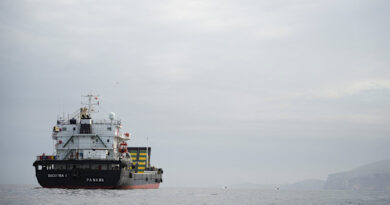
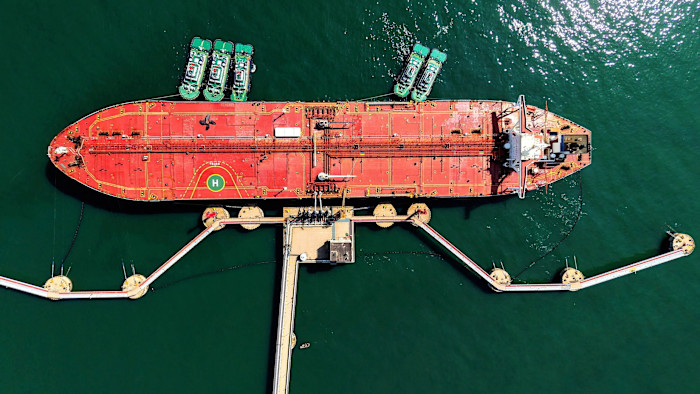
Trump’s announcement of a naval blockade of the strait from Monday is intended to pressure the Iran regime, which has continued shipping oil to key markets such as China during the conflict. But analysts warned a blockade could escalate the conflict.
“Blockading the strait supports higher oil prices for longer as it points to a more drawn-out war,” said Michael Alfaro, chief investment officer of Gallo Partners, an energy and industrials-focused hedge fund.
“A US blockade may work in the long term, but it creates complex uncertainty right now that requires a repricing of risk, prompting higher oil prices.”
Amrita Sen, founder and director of Market Intelligence at Energy Aspects, said a blockade would prevent Iranian oil from flowing to markets.
“Until now the US has allowed Iranian crude and product exports, and even eased sanctions so that more buyers could import these cargoes, as the US has been so focused on keeping oil prices low. But if there is a genuine blockade that’s another 1.5mn-1.7mn barrels per day of oil exports that would stall — on top of the 10mn b/d plus already halted.”
The reopening of the strait was a key sticking point in talks between the US and Iran to turn a two-week ceasefire that began last Tuesday into a more lasting peace. The talks broke up without a deal on Saturday.
About a fifth of global oil and liquefied natural gas supplies transit through the Strait of Hormuz, which is one of the world’s most important energy chokepoints.
Analysts said the US strategy to block the strait did not yet amount to a return to active combat. But it pointed towards an escalation that would increase concerns about a worsening shortage of key petroleum products, such as jet fuel and diesel.
“Escalation tends to beget escalation,” said Kevin Book, head of research at ClearView Energy Partners. “Blocking Iranian tankers could raise prices and worsen shortages.”
The plan also suggested Trump was willing to risk a prolonged disruption to supplies despite soaring US petrol and diesel prices.
“This shows that President Trump is willing to risk prolonged disruption going into summer driving season to preserve the zero-enrichment [of uranium in Iran] position,” said Helima Croft, global head of commodity strategy at RBC Capital Markets.
The US president has been able to keep oil prices relatively flat “by consistent signalling that he is calling time on the conflict”, she said. “A blockade could indeed shift market sentiment on duration and cause a convergence in the physical and paper market.”
The oil market settled lower on Friday and Brent crude posted its steepest weekly loss since August 2022 because of optimism that the US-Iran peace talks could lead to a deal. Brent futures settled down almost 1 per cent at $95.20 a barrel while West Texas Intermediate, the US benchmark, fell 1.3 per cent to settle at $96.57 a barrel.
Jorge León, an analyst at Rystad Energy, said he expected oil prices to jump back over $110 a barrel. “What matters is that the chances of a durable ceasefire have plummeted,” he said.
Bob McNally, founder of Rapidan Energy Group and a former White House energy adviser, said the big question now was whether Iran and its allies would retaliate against critical energy infrastructure in the region.