Lebanese man scours home bombed by Israel for mementos of his slain family
By Jihed Abidellaoui
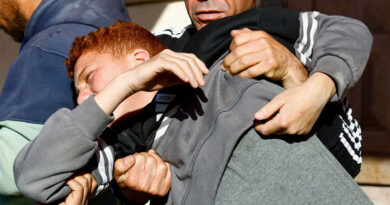
TYRE, Lebanon, April 8 (Reuters) – Almost every day for the last month, Hussein Saleh has made a somber pilgrimage to the plot of land in south Lebanon where his home once stood, scouring the earth for trinkets that belonged to his wife, daughter and six other relatives killed in an Israeli strike.
“Every day or two I come here, I check on things, I look around to find memories, to find a phone, to find anything that can soothe my heart and make things lighter,” said Saleh, 34.
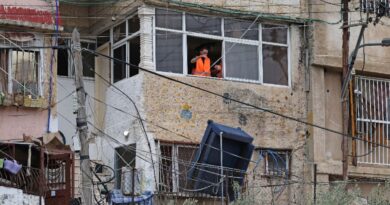
There is little left in the plot of land in the historic Lebanese port city of Tyre: stones from his pulverized home, metal shrapnel from the Israeli missile, a tattered book that belonged to one of his daughter’s cousins.
“I feel the world is so hard, so cruel,” Saleh said, breaking down several times as he spoke to Reuters.
He remembered a humble home once bustling with life, where his 5-year-old daughter Sarrah played with her older cousins or fed a pair of young goats belonging to his wife’s aunt.
But on March 6, as he was grocery shopping, an Israeli missile struck his home and killed his wife, his daughter, his sister-in-law and her husband, their two children and two of his wife’s aunts.
“I heard two strikes and my heart sunk. My heart … my heart felt they were gone,” he said.
BODIES TORN APART
More than 1,500 people have been killed in Israel’s strikes and military operations in Lebanon since March 2, when a new war erupted between Israel and Lebanese armed group Hezbollah.
Among the dead are 130 children and 101 women, according to Lebanon’s health ministry.
A two-week ceasefire between the United States and Iran was announced on Wednesday. Hezbollah had paused its attacks in line with the truce, Lebanese sources close to the Iran-backed group told Reuters. Israel has continued its strikes, with Israeli Prime Minister Benjamin Netanyahu saying Lebanon was not included.
Saleh said the bombing that killed his family tore their bodies apart and separated his daughter’s head from her body. He had to bury different body parts together because they were so distorted and mangled they could not be sorted properly.
“The strike that happened here was full of hate. It wasn’t something normal. Why they targeted them, I don’t know,” he told Reuters.
He said his relatives were all civilians and that there was no military equipment inside his home.
The Israeli military did not immediately respond to questions from Reuters regarding the strike, including what or who the military target may have been.
Israel has issued evacuation warnings for large swathes of Lebanon since March 2, covering about 15% of the entire country, including Tyre. International law experts say evacuation orders should be tied to imminent attacks, and subsequent strikes must still avoid civilian harm.
Saleh said Sarrah had been undergoing physical therapy to walk again after a health condition left her partly paralyzed.
“We hoped that in two months she would be able to walk again and play like the other kids … I don’t know how to describe this loss,” he said.
Now, he can no longer spend time by himself because the loneliness is overwhelming.
“The loss, being apart from them, is so hard. My whole life has changed,” he said.
(Writing by Maya Gebeily; Editing by Rod Nickel)