How to Make Oatmeal
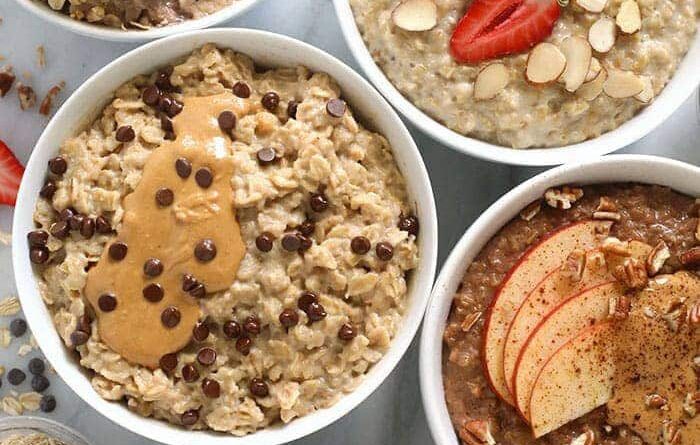
I’ve spent years figuring out how to make oatmeal that’s creamy, fluffy, and enjoyable every morning, because 9 days out of 10, that’s what I’m making for breakfast.
Oatmeal is a quick and easy, healthy breakfast. You can make one serving or meal-prep it for the week. Make it as basic as you want, or add flavors to make it taste like your favorite chocolate chip cookie dough.
No matter what kind of oats you have or how much time you have, I’ve got you covered. In this guide, I’ll walk you through every oat type and cooking method I’ve tested for tasty, perfectly cooked oatmeal every time.
Why You’ll Love This Oatmeal Guide
Oatmeal, sometimes called porridge, doesn’t have to be boring, bland, or confusing. I put this guide together to take the guesswork out of making oatmeal, whether you’re cooking for a busy week or a slow, cozy weekend. Here’s what to expect:
- I cover every major oat type and how it cooks best.
- You’ll learn which method works for your time and texture preferences.
- I share tips on add-ins and toppings to turn oatmeal into a breakfast you actually look forward to.
“This is such a fun post. I love your overnight oats the best!”
– Shell
“I rarely comment on blogs. But I have to give you props on this post! For years, I’ve been struggling to prepare oatmeal in a way that I enjoy. I followed your steps for the rolled oats on the stove top, and they came out perfect! I added cinnamon, banana, and pecans for a wonderful breakfast. I can’t wait to try the method for steel-cut oats! Thank you.”
– Nicholas
Types of Oats
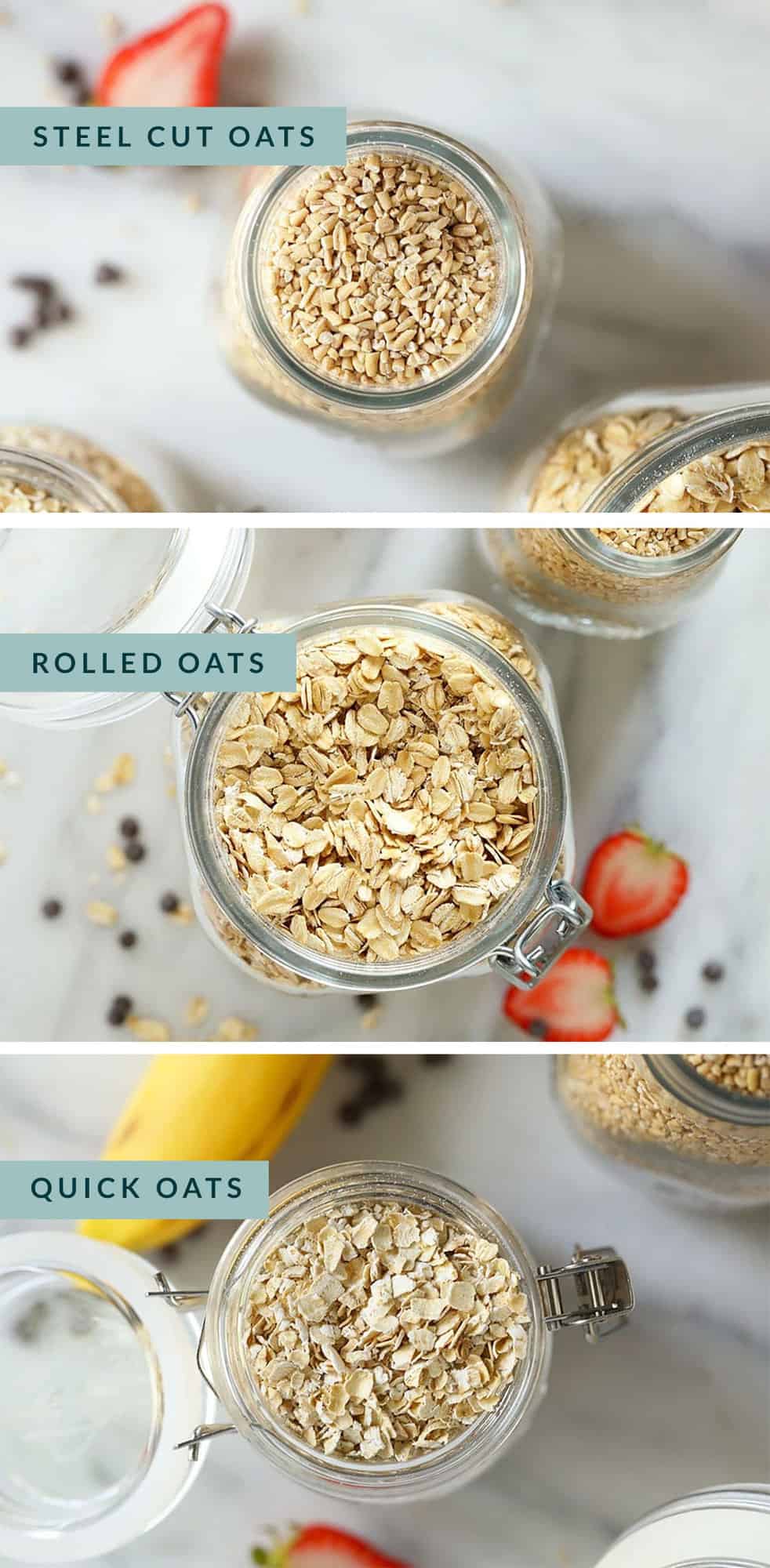
Before cooking, it’s helpful to know that not all oats act the same way. The type of oat used affects cook time, texture, and which cooking method works best. Below, I break down the 3 most common types of oats, oatmeal ratios, and when I like to use each one.
Steel-Cut Oats
Steel-cut oats are whole oat groats chopped into smaller pieces. Uncooked, they’re like thick pieces of rice, and when cooked, they’re chewy and hearty. They take the longest to cook, but I love them for slow mornings or the slow cooker because the texture is unbeatable.
- Best cooking methods: Stovetop, slow cooker, Instant Pot
- Stovetop ratio: 1 cup oats to 3 cups liquid, simmer 20-30 minutes
- Slow cooker ratio: 1 cup oats to 4 cups liquid, 4 hours on high or 8 hours on low
Rolled Oats
- Best cooking methods: Stovetop, microwave, Instant Pot
- Stovetop ratio: 1 cup oats to 2 cups liquid, cook 3-5 minutes
- Microwave ratio: 1 cup oats to 1⅓ cups liquid, cook 2 minutes
Rolled oats, also known as old-fashioned oats, are made by steaming oat groats and rolling them flat. When it comes to how to cook rolled oats, they’re one of the easiest options because they cook much faster than steel-cut oats.
Quick-Cooking Oats
Quick-cooking oats, or instant oats, are the most processed byproduct of the oat groat. These are rolled oats that have been chopped into smaller pieces so that they cook faster, often in as little as a minute. When cooked, they have a creamy texture.
- Best cooking methods: Stovetop, microwave
- Stovetop ratio: 1 cup oats to 2 cups liquid, cook 1-2 minutes
- Microwave ratio: 1 cup oats to 1⅓ cups liquid, cook 1-2 minutes
How to Make Oatmeal (5 Ways)
The way you cook oatmeal can completely change the texture, flavor, and how much you actually enjoy it. Some people assume microwave oatmeal is always mushy, or that steel-cut oats must take forever, but that’s not true.
I’ve tested every method, and each one has its place depending on how much time you have, how hands-on you want to be, and what texture you’re craving. Think of this as a quick decision-making guide to help you pick the right method for your morning.
I usually turn to the stovetop when I want full control over the texture. It’s slightly more hands-on than other methods, but it gives the fluffiest, creamiest oats if you stir while cooking. The stovetop works for steel-cut, rolled, and quick-cooking oats.
Ratios and Timing:
- Steel-Cut: 1 cup oats to 3 cups liquid, simmer 20-30 minutes
- Rolled Oats: 1 cup oats to 2 cups liquid, cook 3-5 minutes
- Quick-Cooking: 1 cup oats to 2 cups liquid, cook 1-2 minutes
For my full recipe for how to make oatmeal on the stove, scroll down to the recipe card below.
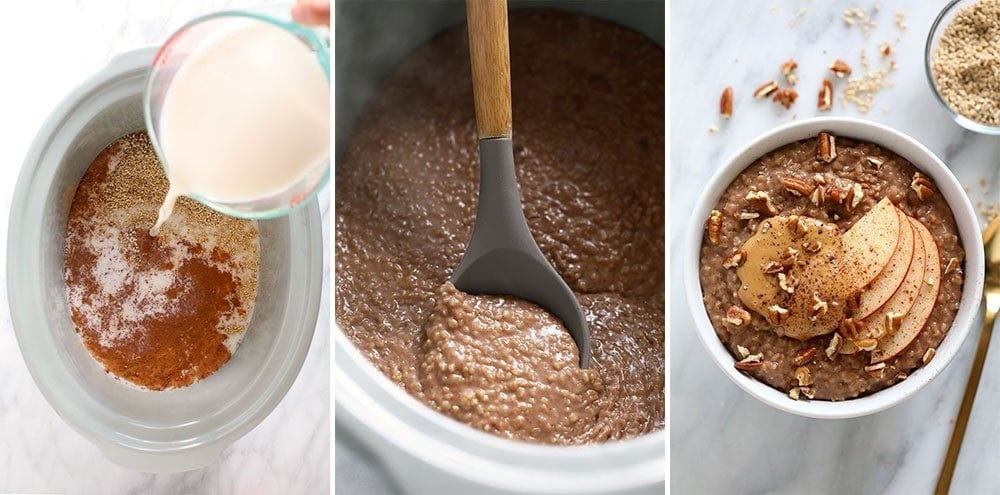
Slow-cooker oatmeal is best for meal prep or feeding a crowd. It’s almost completely hands-off, and it turns that cup of oats into something deliciously creamier. I sometimes make a larger batch on Sunday, so I have breakfast ready all week.
While you can make both instant oatmeal and rolled oats in the slow cooker, I only recommend cooking steel-cut oats because of the amount of work it eliminates in the cooking process.
Ratios and Timing:
- Steel-Cut: 1 cup oats to 4 cups liquid, cook 4 hours on high or 8 hours on low
Before adding your oats, spray the slow cooker with nonstick cooking spray to prevent sticking. If possible, stir the oatmeal every hour or so. Remove from the slow cooker once it’s thickened.
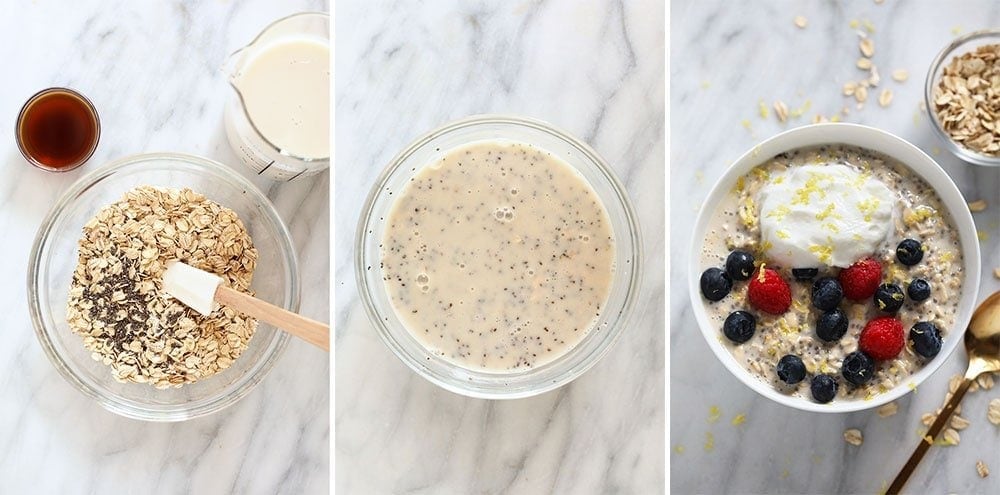
Overnight oats are a make-ahead, no-cook option. Soak the oats with dairy milk or your favorite non-dairy option and chia seeds, then refrigerate for at least 2 hours or overnight. The texture is chewy and slightly creamy. It’s different from hot oats, but still satisfying.
These are ideal for mornings when I want something grab-and-go. I like the variety, too, as you can prep a few different flavors at once. Try my Peanut Butter Banana Overnight Oats if you love that combo!
Ratios:
- Steel-Cut: 1 cup oats to 1.5-2 cups liquid + 1 tbsp chia seeds
- Rolled: 1 cup oats to 1.5 cups liquid + 1 tbsp chia seeds
- Quick-Cooking: 1 cup oats to 1.5-2 cups liquid + 1 tbsp chia seeds
If using steel-cut oats, mix them, place them in the microwave in a microwave-safe bowl for a minute, mix again, then cover and refrigerate for at least 2 hours or overnight.
Skip the microwave for rolled or quick-cooking oats. Simply give them a good mix before covering them and putting them in the fridge.

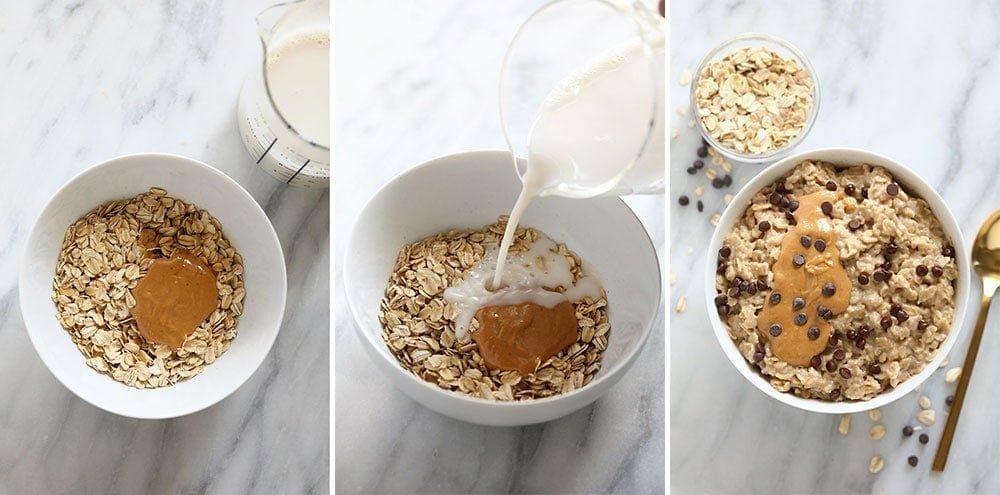
When I only have a couple of minutes, microwave oatmeal saves the day. This is the fastest method, and perfect for single servings. Quick oats and rolled oats work best here, and the trick is to use a slightly larger bowl than you think you need to prevent overflow.
Ratios and Timing:
- Rolled: 1 cup oats to 1 ⅓ cups liquid, microwave on high 1 minute, stir, then another minute
- Quick-Cooking: 1 cup oats to 1 ⅓ cups liquid, microwave on high 1 minute
You don’t even need to stir in between if you’re using quick oats. They’re ready after a minute in the microwave! If using rolled oats, stir to prevent clumping. For a quick and tasty treat, try this microwaved oatmeal that tastes like cookie dough!
Instant Pot steel-cut oatmeal and Instant Pot rolled oats are a great way to cut the cooking time down, while still getting that chewy, delicious texture of the stovetop or slow cooker.
While you can make quick-cooking oatmeal in the Instant Pot, I only recommend steel-cut oats and rolled oats this way because of the amount of work it eliminates in the cooking process.
Ratios and Timing:
- Steel-Cut: 1 cup oats to 3 cups liquid, set to high pressure for 10 minutes
- Rolled: 1 cup oats to 2 cups liquid, set to high pressure for 3 minutes
When the timer goes off on either version, quick release by opening the valve to vent. Mix the oats and serve!
Tips for Making Oatmeal Taste Better
Even simple oatmeal can taste amazing with a few small tweaks. Here are my go-to tips for perfectly textured, flavorful oats every time:
- Adjust the thickness. Add more liquid if the oatmeal is too thick, or cook it a little longer if it’s too thin.
- Stir frequently. When simmering oatmeal on the stove to thicken, stir it to prevent sticking.
- Watch for overcooking. Overcooked oats become gluey and dry. Remove from heat as soon as the texture is creamy and tender.
- Layer flavors: Stir in spices, extracts, or nut butters while cooking to infuse the dish with flavor, if you’d like.
- Mix in toppings at the right time. Add fresh fruit and crunchy nuts after cooking to preserve texture.
Topping Ideas & Add-Ins
There are so many ways to naturally spice up a bowl of oatmeal and make it taste better. Most mornings, I stick to simple ingredients: fresh fruit like bananas, raspberries, or blueberries, dried fruit like cranberries, or a sprinkle of nuts.
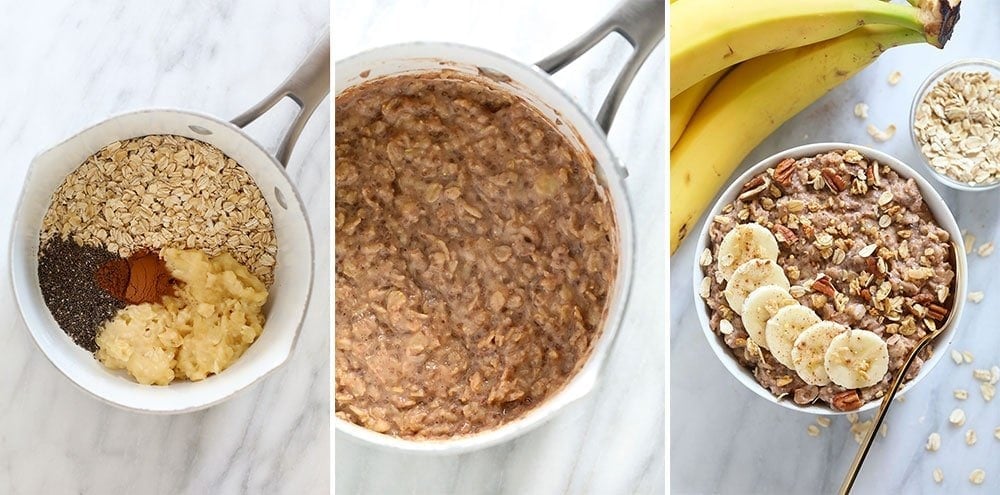
To make it sweet, go for all-natural sweeteners like coconut sugar or maple syrup, or swirl in a dollop of nut butter for a breakfast-dessert vibe. Cinnamon is my go-to spice for oatmeal, but cardamom can add a warm flavor, especially with banana, vanilla extract, or brown sugar. For an indulgent treat, try my Fluffy Banana Stovetop Oatmeal, topped with leftover banana bread.
If I want a little extra protein, I’ll stir in Greek yogurt, cottage cheese, or a scoop of protein powder. And yes, oatmeal can even go savory! Use my recipe for my favorite savory oatmeal, complete with an egg and crunchy pepitas.
Oatmeal keeps well in an airtight container in the fridge for 3-5 days. To reheat, microwave or warm on the stovetop, adding a splash of milk or water to loosen it up if it’s thickened. Stir well and top as desired, just like the fresh version!
More of My Favorite Oatmeal Recipes
Should you make oatmeal with milk or water?
You can make oatmeal with either milk or water, but milk makes oatmeal creamier, richer, and more satisfying, especially if you want it to feel like a complete breakfast. It also adds a bit of protein and natural sweetness, which means I usually need fewer toppings to make it taste good.
Water works well if you want something lighter for a healthy breakfast or if you plan to load your oatmeal with flavorful toppings. That said, if the oatmeal ever tastes flat or thin, swapping in milk (whether that’s a plant milk like oat milk or whole milk) is an easy upgrade.
Why do you add salt to oatmeal?
A dash of salt can enhance the natural flavor of the oats, even in sweet oatmeal. It really depends on the added flavors and toppings, though. I find that nut butters, milk, or yogurt can add enough saltiness on their own without the pinch of salt.
What are the best tips for making creamy oatmeal?For creamier oatmeal, use enough liquid, cook over low heat, and stir occasionally. Making oatmeal with milk instead of just water and removing it from the heat as soon as it’s tender will also help keep it creamy instead of gluey.
-
Place 1 cup rolled oats and 2 cups liquid into a medium pot.
-
Bring to a boil over high heat while continuously stirring.
-
Reduce heat to low and continue to stir for around 3-5 minutes, or until oats have thickened.
If preferred, substitute the rolled oats for quick-cooking oats in this recipe. To keep oatmeal from boiling over, use a larger pot than needed and reduce the heat as soon as the oatmeal starts to boil, stirring frequently.
[adthrive-in-post-video-player video-id=”8gLelqKU” upload-date=”2019-08-14T00:00:00.000Z” name=”How to Make Oatmeal” description=”Welcome to a comprehensive guide to oatmeal! If you’ve ever wondered how to make oatmeal, you are in the right place.”]
Calories: 180 kcal, Carbohydrates: 28 g, Protein: 6 g, Fat: 6 g, Fiber: 5 g, Sugar: 1 g
Nutrition information is automatically calculated, so should only be used as an approximation.