
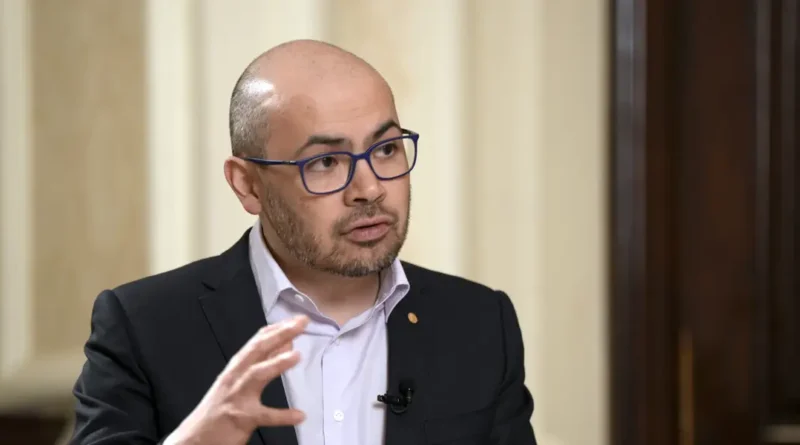
Google DeepMind started moving faster by acting like a startup, Demis Hassabis says
One reorg led Google DeepMind to become the lab it is today.
On an episode of the “20VC” podcast released on Tuesday, Google DeepMind CEO Demis Hassabis shared how his AI lab has caught up with its rivals in the last two to three years.
Hassabis said Google combined all the company’s resources, including compute, one of the biggest bottlenecks for AI research.
“We’ve basically helped put together all the talent from around the company, sort of pushing in one direction,” he said.
This helped Google build the biggest models rather than having two or three versions at the same company.
“A lot of it was assembling together all the ingredients we already had and then kind of pushing with relentless sort of focus and pace,” he said. “Acting almost like a startup, really, to get back to the frontier and be ahead in many areas.”
Hassabis cofounded DeepMind in 2010, which Google acquired in 2014. It merged with Google Brain in 2023 to form Google DeepMind, the lab behind tools such as Gemini and Nano Banana.
“I would say about 90% of the breakthroughs that underpin the modern AI industry were done by either Google Brain, Google Research, or DeepMind,” Hassabis said.
The unit competes with frontier labs such as OpenAI, Anthropic, and Microsoft AI.
Tech leaders have long touted their companies’ ability to work like a startup and embrace a lean, move-fast culture.
In a letter to shareholders last year, Amazon CEO Andy Jassy said that he wants the tech giant to operate like the “world’s biggest startup.”
“Speed disproportionately matters for every business, in every industry, at all times,” Jassy wrote. “It’s a false binary to argue that you can move fast or deliver high standards.”
Apple cofounder Steve Jobs also famously said the company was organized like a startup, with different teams all working on the same thing.
“We’re the biggest startup on the planet,” he said at a 2010 conference.