Fearing economic collapse after war, Iran cracks down on dissent
March 30 (Reuters) – A month into its war with the United States and Israel, Iran is trying to forestall any spark of domestic unrest with arrests, executions and massive street deployments by security forces and supporters, recruiting even children to staff checkpoints.
While there has been little sign so far of people defying draconian warnings not to protest, officials fear that damage to an already battered economy will spur mounting opposition to the ruling system once the conflict ends.
People contacted inside Iran, along with rights groups outside, fear that with the hardline Revolutionary Guards in the ascendancy, conditions may be ripe for bloody internal confrontations.
HOPES OF OVERTHROW FAIL TO MATERIALISE IN IRAN
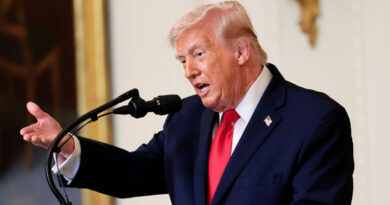
Both U.S. President Donald Trump and Israeli Prime Minister Benjamin Netanyahu voiced hope at the start of the war that their attack could bring down Iran’s theocratic rulers.
But despite a month of intense U.S. and Israeli airstrikes, Iran’s leaders seem confident they can outlast their attackers by closing the energy corridor of the Strait of Hormuz and striking at Gulf Arab producers to trigger a global oil and gas shock.
Their most dangerous moment may, paradoxically, come once the bombing stops, when Iranians gaze upon the ruins of their economy and consider their bleak prospects.
At the forefront of internal control efforts is the Basij militia – a voluntary paramilitary organisation run by the Revolutionary Guards – which has set up checkpoints inside, and at the entrances to, major cities.
Despite Israeli strikes on some of the checkpoints, these remain in place, activists said.
However, there are signs that the Basij are short of manpower; senior Revolutionary Guards official Rahim Nadali announced on state television last week that they had dropped the minimum age for checkpoint and patrol volunteers to 12.
A senior source contacted in Iran said officials were focused on keeping supply chains running during the war but were increasingly concerned about what comes afterwards.
Worry about future unrest is the main reason for the current crackdown, said a second source in Iran. A third said economic pressure might be more visible now as businesses reopen after the long Iranian holiday.
“The Iranian regime was already in deep trouble before the war and it’s now taking a big hit. The political and economic crisis it was facing beforehand is just going to get worse,” said Ali Ansari, a professor of modern history at the University of St Andrews.
“All the old problems will come back worse when peace comes. The regime is paranoid, wounded and bitter and it will want to crush any trouble before it starts, but doing so could actually turn more people against it.”
Reporting inside Iran is very difficult, with the internet frequently cut, and the authorities have published no reliable data since the war began to give an authoritative picture of the economic fallout.
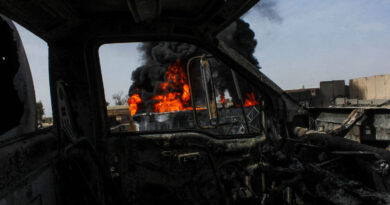
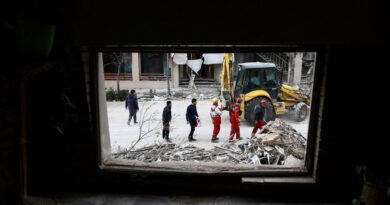
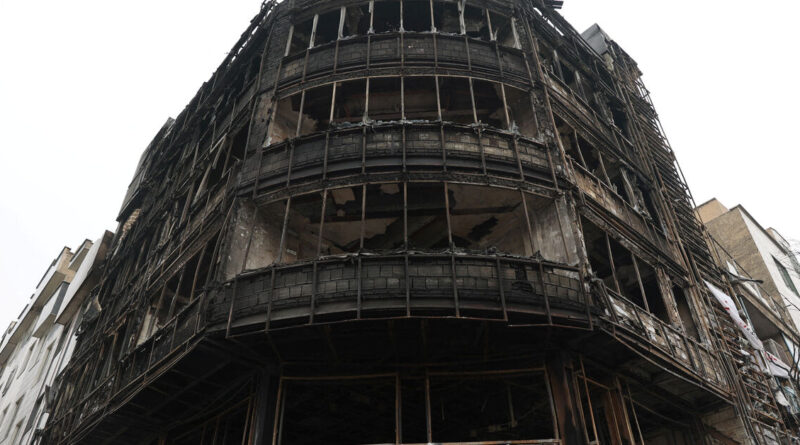
But there is widespread damage to infrastructure, including energy facilities vital for revenue, and little prospect of sanctions relief, while attacks on neighbours have poisoned ties with economic partners.
The senior Iranian source said these considerations would make it very difficult to keep the economy running and could revive unrest.
POST-WAR ECONOMIC DOWNTURN LOOMS FOR IRAN
Mohammad, 38, from Tehran, works for a trading company that has informed employees it may have to cut jobs. “Our main business is with countries in the region – and obviously it’s not clear whether that can continue after the war,” he said, asking to remain anonymous for fear of reprisal.
In January, Iran’s ruling clerics and Revolutionary Guards killed thousands as they quashed nationwide street protests sparked by anger at the weak economy.
Since the war began, the only confirmed public sign of unrest was the cheering heard in Tehran when Supreme Leader Ayatollah Ali Khamenei was declared dead. Security services have cracked down hard since.
“Iranian authorities continue to carry out waves of arrests targeting real and perceived dissidents, members of Iran’s ethnic and religious minorities including Baha’is, and people who share reports or footage of strikes,” said Louis Charbonneau of Human Rights Watch.
Three rights activists inside Iran said pressure had been cranked up, particularly in regions with large populations of minority Kurds, Arabs or Baluchis, where much unrest has been focused before.
Security forces have warned parents of suspected agitators that their children could be jailed or executed, and that relatives could also be punished, the activists said.
Even Iranians living abroad have been warned they could have property confiscated if they express support for the U.S. or Israel, the prosecutor general’s office said on Monday.
Authorities have meanwhile been mobilising supporters to fill the streets most nights for pro-government demonstrations and ceremonies mourning officials killed in the airstrikes.
The apparent goal is to occupy public spaces and deny them to potential protesters, said Hadi Ghaemi, head of the Center for Human Rights in Iran.
“They even target neighbourhoods where they cruise in vehicles and intimidate people in their homes by chanting pro-regime slogans and shooting guns in the air,” he said.
A Tehran resident who asked to remain anonymous said people were too scared to go out at night, voicing a fear that if the ruling authorities survived the war there would be an even bloodier crackdown.
(Reporting by Reuters Iran newsroom; Writing by Angus McDowall; Editing by Kevin Liffey)