Iran-Oman deal spurs Hormuz hopes as Red Sea threats evolve
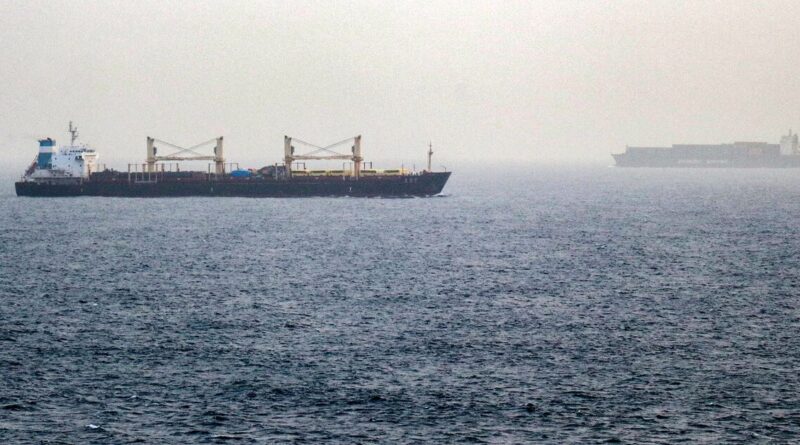
Iran said on Wednesday that it had reached an understanding with Oman on a shipping route through the Strait of Hormuz, potentially marking a key step toward reopening the maritime chokepoint to energy exports.
The deal, if implemented, could help end a historic energy supply disruption just over five months after the US-Israel-Iran war erupted, blocking Gulf oil and gas flows. But the Hormuz progress arrives alongside a new escalation in the Red Sea.
Earlier on Wednesday, Yemen’s Houthis announced they were widening their campaign against Saudi shipping to northern waters, claiming an attack against a tanker near the western port of Yanbu. While optimism over the Iran-Oman deal has buoyed hopes that Gulf shipping could soon resume, the potential expansion of the Houthi campaign raises the prospect that the region’s other critical energy chokepoints could soon be heading in the opposite direction.
What happened: Anticipation had heightened around a breakthrough in the Hormuz crisis after President Donald Trump said on Tuesday night that an agreement to reopen the Strait of Hormuz “could happen … tomorrow or the next day” following what he described as “very good discussions” with Tehran. Talks between Iran and Oman on a framework laying out control of the waterway had been gathering momentum in recent days.
AL-MONITOR All-Access gives you unlimited access to all our journalism, the full Daily Briefing, exclusive interviews, premium newsletters, and live events — for less than $2/week.