Houthis warn shipping firms to avoid Saudi ports or face attack: What to know
Yemen’s Houthi rebels have reportedly warned several shipping companies via email not to load or discharge cargo at Saudi ports.
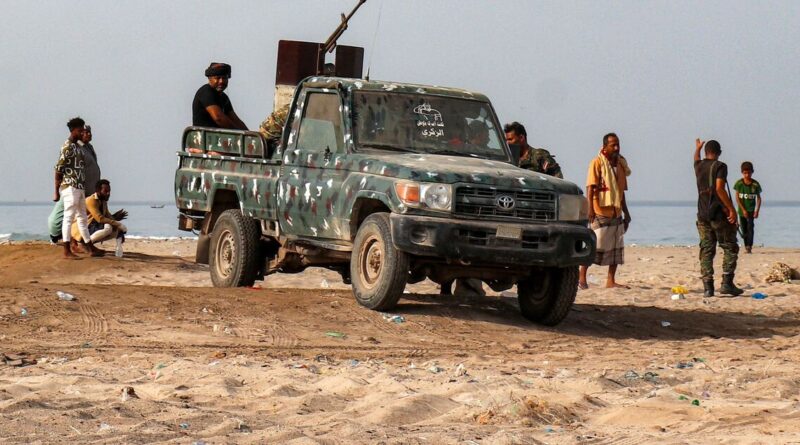
What happened: On Monday, the Houthi militia emailed multiple shipping companies, Reuters reported on Tuesday, warning them of the consequences of visiting Saudi ports.
“Vessels are banned from loading or discharging cargo at or from any Saudi ports,” read the email sent from the Houthis’ Sanaa-based Humanitarian Operations Coordination Center. The Houthi-affiliated outfit’s website explains that it “aims to contribute to mitigating the humanitarian effects and repercussions (on civilians and civilian objects) in the theater of military operation.”
“We strongly recommend that your company exercise due diligence and the utmost care in all its dealings,” the email read, adding that the blockade would come into force at 7:01 a.m. EDT on Monday and concluding, “Furthermore, they may be subject to targeting in any location within the operational reach of the Yemeni Armed Forces.”
The Houthis announced on Monday that they would impose a blockade on Saudi Arabia’s Red Sea ports in response to a Saudi missile strike on Sanaa International Airport last week. The group also said the move was a response to what it called “an unjust and oppressive siege” imposed on Yemen by Saudi Arabia. Riyadh later condemned the threat, saying it would take “all necessary measures” to protect its ships.
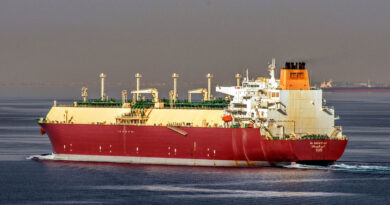
Ships have already been turning back since the blockade was imposed. Two oil tankers with loaded Saudi crude bound for China and India this week made U-turns in the Red Sea on Tuesday and were headed toward the Suez Canal, according to shipping data from LSEG.
Why it matters: The Houthi blockade threatens Saudi Arabia’s principal Red Sea oil export route at a time when traffic through the Strait of Hormuz remains severely disrupted by the US-Israel-Iran war. The closure of the Bab el-Mandeb Strait, the southern gateway to the Red Sea, would remove one of the kingdom’s few remaining alternatives for exporting crude.
Before the war began on Feb. 28, between 130 and 140 ships would traverse the Strait of Hormuz a day, carrying around a fifth of the world’s oil and liquefied natural gas shipments. However, since the war began, traffic through the strait has been close to nonexistent amid attacks on vessels by Iran’s Islamic Revolutionary Guard Corps and a US naval blockade that was imposed in mid-April.
As a result, Saudi Arabia has directed more than 70% of its crude shipments to the port of Yanbu, on the kingdom’s Red Sea coast. Exports from the port now stand at around 4.5 million barrels per day, according to the UBS bank. Those exports are now under threat by the Houthi blockade.
Know more: The price of Brent crude oil was at $90.83 at 8:36 a.m. EDT on Tuesday, up 1.81% from the previous day.
War risk insurance premiums also rose to around 0.75% of the value of a ship on Monday, from around 0.3% on Friday before the Houthi announcement, sources told Reuters. As a result, ships will have to pay thousands of more dollars in insurance fees for a seven-day voyage.