Abdul Rahim Amin Bukhari: His Name Has Been on the Kiswa of the Kaaba for Over 50 Years
Key Takeaways
- Bukhari joined the King Abdulaziz Kiswa factory in 1927 at the age of 15 and rose to deputy director by the 1960s
- He contributed to 21 Kiswas and supervised calligraphy on three Kaaba doors over more than three decades
- King Faisal ordered his name woven into the Kiswa in gold thread — where it remains to this day
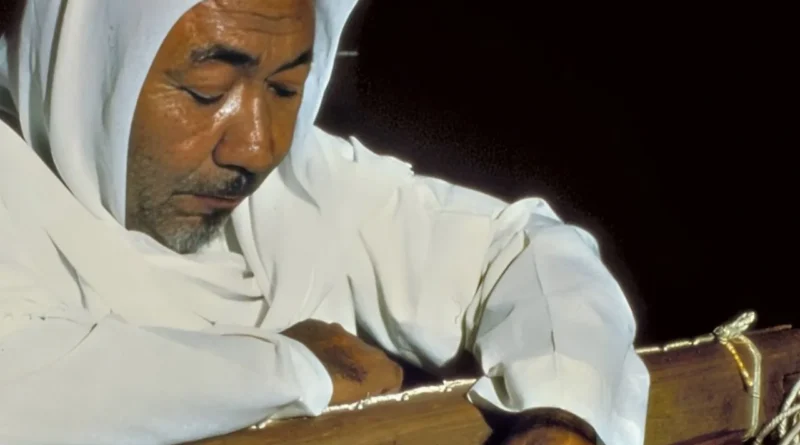
Born in Makkah in 1917, Abdul Rahim Amin Bukhari grew up surrounded by Islamic artistic tradition. He took to Arabic calligraphy early, and what started as a natural ability became a life’s vocation.
Joining the Kiswa Factory at 15
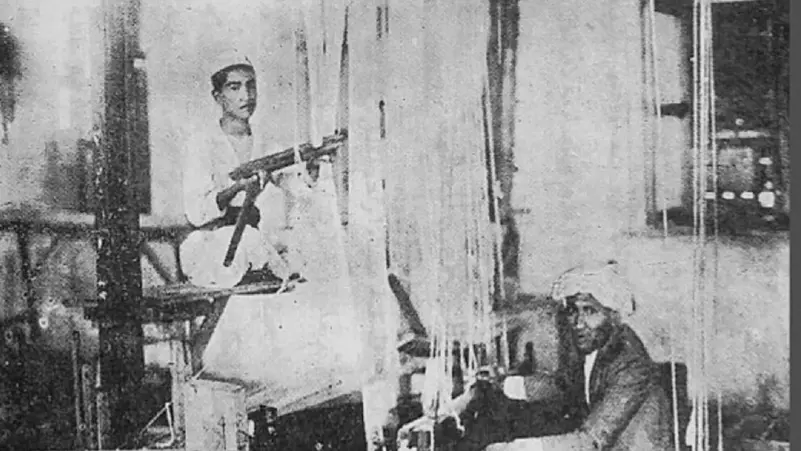
At the age of 15, Bukhari entered the Kiswa factory established in 1927 by King Abdulaziz — the first such factory in the Kingdom, dedicated entirely to producing the Holy Kaaba’s sacred covering.
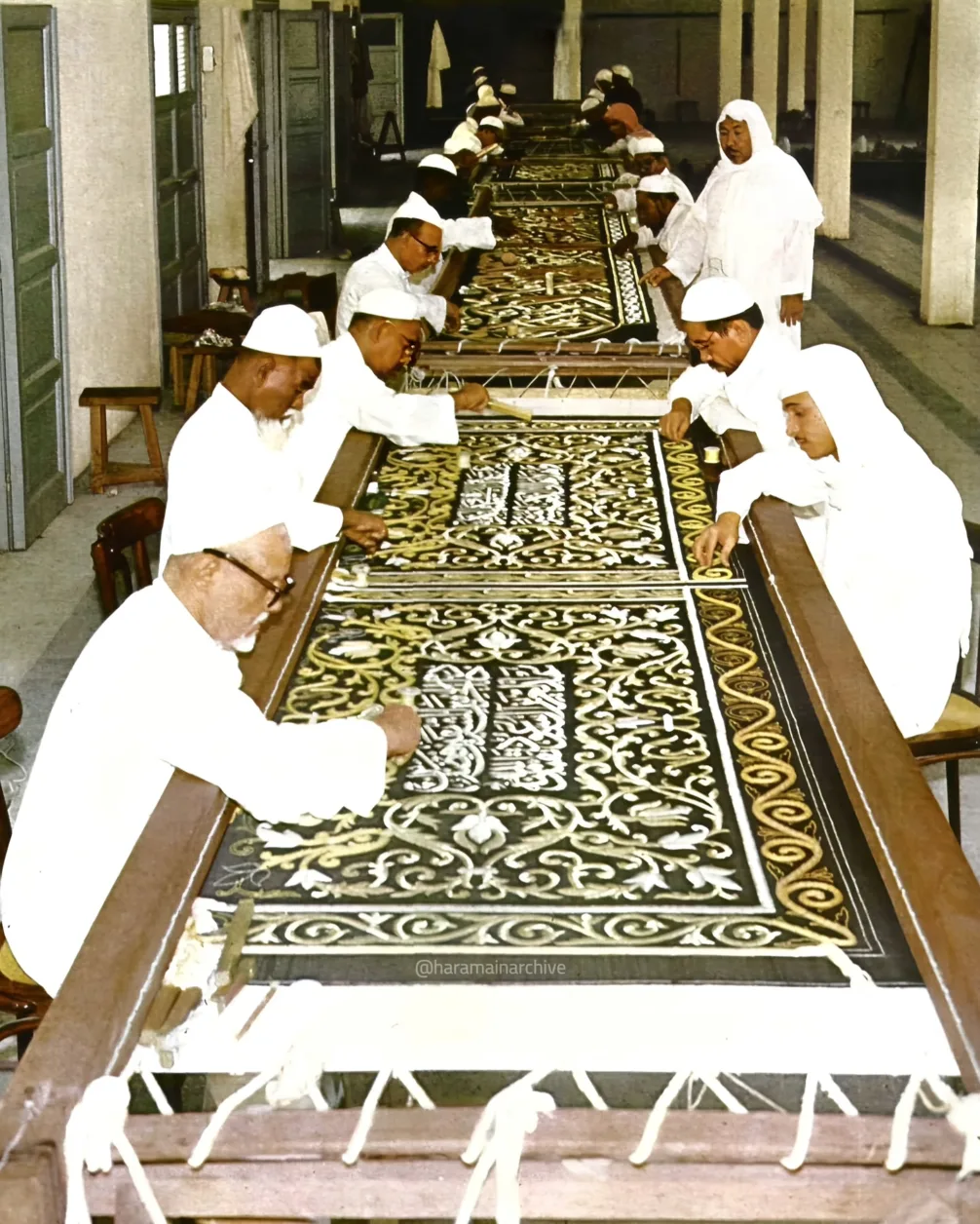
He trained under experienced craftsmen, mastering the precision and elegance required of classical Arabic scripts.
By the 1930s he had become chief technician, and by the 1960s he held the position of deputy director.
A Career Devoted to the Holy Kaaba
The Kiswa is made from black raw silk decorated with selections of Quranic verses written in the Thuluth script — a style of Islamic calligraphy that Bukhari himself developed for the Kaaba.
His contributions to this work spanned embroidered Quranic inscriptions across the Kiswa, the calligraphy and design of the Kaaba’s door curtain, and the decorative inscriptions on the Kaaba’s doors themselves.
In 1944, King Abdulaziz ordered a new door for the Kaaba, and it was Bukhari who executed the calligraphy and decorative work.
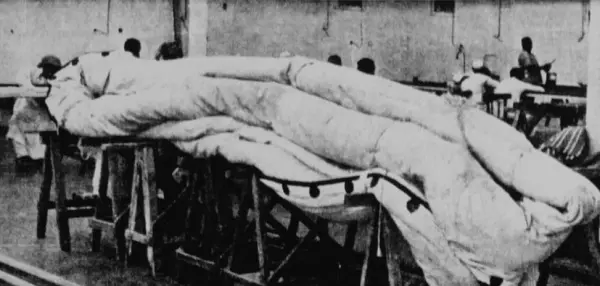
Over more than 30 years, he took part in producing 21 Kiswas and supervised the calligraphy and decoration of three Kaaba gates.
A Name in Gold Thread
In recognition of his decades of service, King Faisal ordered Bukhari’s name woven into the Kiswa itself.
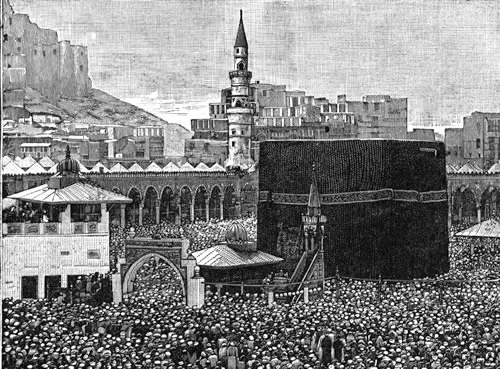
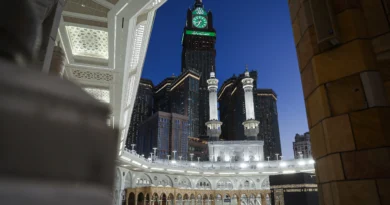
It remains there today — his name in gold thread on the fabric that covers Islam’s holiest structure, visible to every pilgrim who circles the Kaaba.
Bukhari passed away in the late 1990s. The Thuluth calligraphy style he developed for the Kiswa is still used in its production today.