30-Minute Pasta Primavera (Veggie Loaded!)
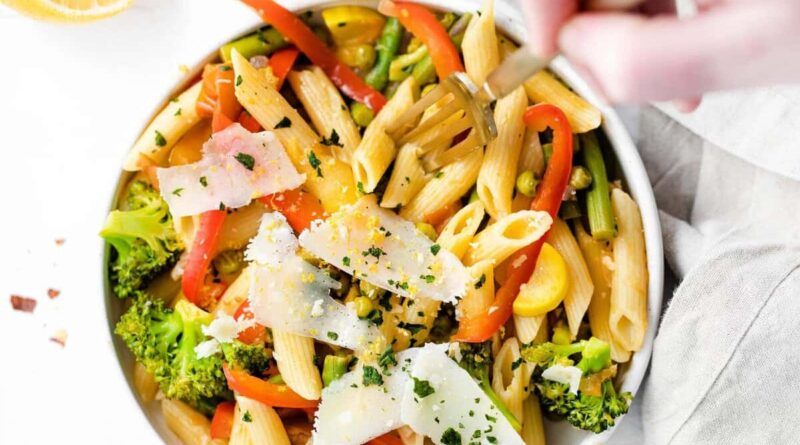
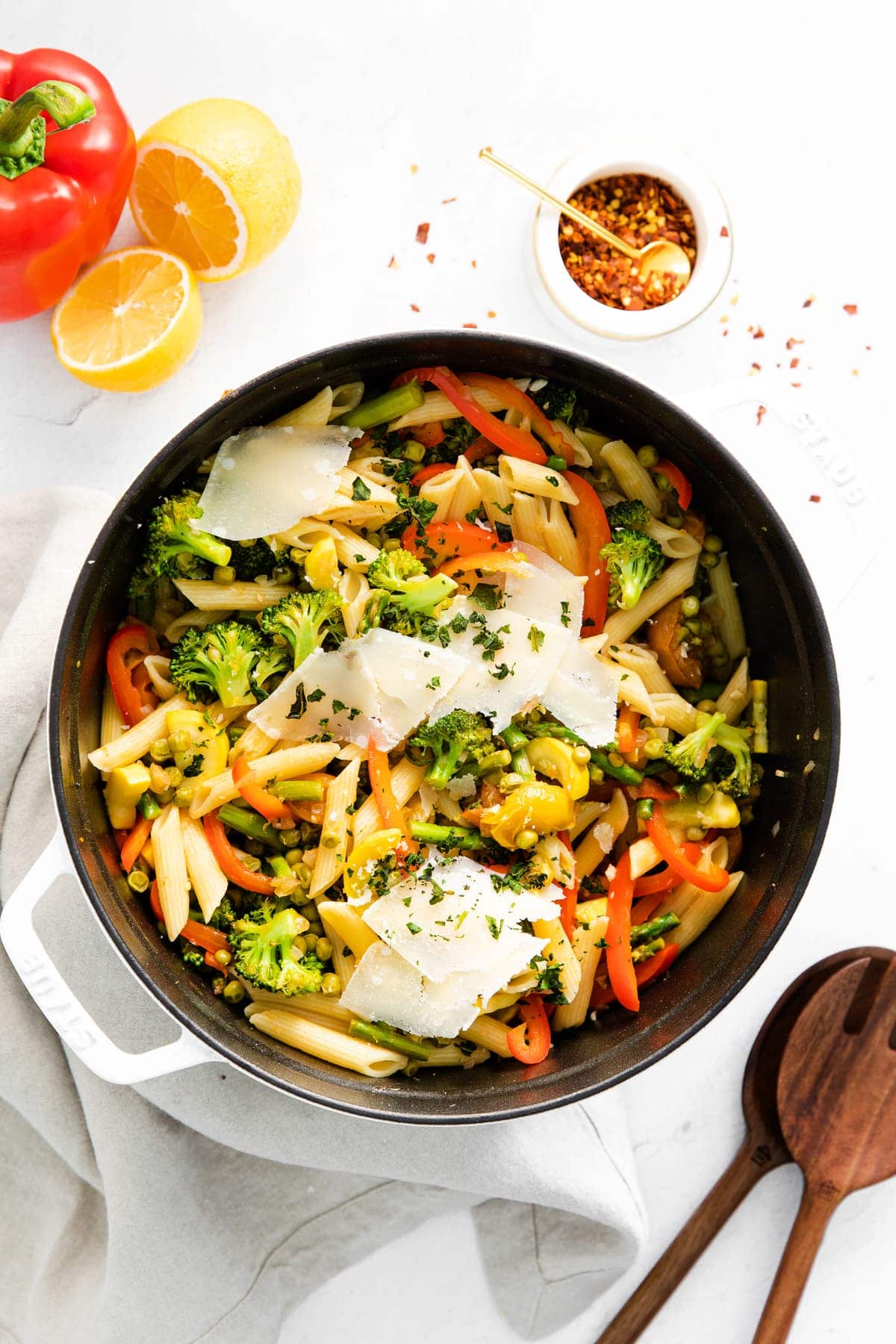
Calling all veggie lovers! This 30-Minute Pasta Primavera is hands down one of my favorite weeknight dinners. It’s loaded with colorful seasonal vegetables — think tender asparagus, crisp bell peppers, sweet yellow squash, and bright broccoli — all tossed with penne in a light, savory broth-based sauce that coats every bite.

A super flavorful yet delightfully light pasta dish. It was wonderful. — Richard
The best part? This entire dish comes together in just 30 minutes with simple pantry staples and whatever fresh veggies you have on hand. It’s naturally vegetarian, endlessly customizable, and seriously satisfying — the kind of meal I come back to again and again, especially when I want something healthy that still feels like a big, cozy bowl of comfort.
Today, I’m walking you through how to make this pasta primavera step by step, easy ingredient swaps you can make depending on what’s in your fridge, and the best ways to store and reheat leftovers throughout the week. Let’s get into it!
Pasta primavera is a super fresh Italian pasta dish that contains lots of spring vegetables. “Primavera” means spring in Italian, so it makes sense that this dish is full of delicious spring vegetables.
I’m giving my pasta primavera recipe a classic Fit Foodie twist, which for this recipe means loading up on the nutrient-rich veggies and pairing it with a healthy ingredient sauce.
Pasta Primavera — What You Need
For the full recipe, scroll down to the recipe card to get ingredient amounts and the recipe instructions.
Veggies
Seasonings & Sauce
- Minced garlic
- Dry white wine
- Vegetable broth
- Tomato paste
- Lemon zest
- Salt & pepper
Pasta
Optional Toppings
- I love topping this pasta primavera with fresh basil and parmesan cheese.

How to Make Pasta Primavera
This pasta primavera is easy peasy to whip up! And don’t worry, no mushy vegetables here — you’ll stagger the veggie sautéing to ensure everything is cooked perfectly and tossed in a delicious sauce. Let’s get into it:
Bring a large pot of salted water to a boil and add penne pasta. Cook the pasta until the pasta is cooked just before al dente (for tip: the pasta will continue to cook later in the recipe). Strain the water from the noodles and set aside for now.
Heat olive oil in a deep pan or Dutch oven over medium/high heat. When the olive oil is fragrant, add the asparagus to the pot and sprinkle with salt. Sauté the asparagus for 2-3 minutes.
Add broccoli to the pot and sauté for another 2-3 minutes or until the broccoli pieces begin to brown.
Next, add the yellow squash, red pepper, half of the cherry tomatoesand another dash of salt to the pot and sauté for an additional 2 minutes.
Then, transfer all of the sautéd vegetables into a bowl and set the veggies aside.
Add the remaining olive oil to the pot, heat over medium/high heat until fragrant. Then, add the onion and season with a dash salt.
Sauté the onions (stirring periodically) until the onions begin to brown (about 3-4 minutes). Then, add the minced garlic to the onions and sauté for another minute.
Deglaze the pot with white wine and scrape the bottom of the pot with a spatula.
Add the second half of the cherry tomatoes and toss them with the onions until they are covered with oil.
Next, add the broth, tomato paste, lemon juice, lemon zest, pepper, and the last dash of salt to the pot. Whisk the tomato paste into the broth until there are no clumps.
Bring the broth to a boil over high heat and then turn the heat to medium/low and add the peas to the sauce.
Let the sauce simmer over medium heat until it reduces by half (this will take about 10-15 minutes). When the sauce has reduced, add the vegetables to the sauce and toss the vegetables in the sauce until everything is coated.
Add the pasta to the pot and toss everything together. Heat the pasta and vegetables in the sauce until everything is warm.
Sprinkle with parmesan cheese and garnish with fresh basil and more fresh lemon zest.


There are A BUNCH of easy 1:1 substitutions you can make in this recipe. And as far as the veggies go, feel free to use any of your favorite veggies that aren’t already included here to truly make this recipe your own!
- Penne pasta: don’t have penne on hand? Feel free to use ANY pasta your heart desires! I also love bow ties, rotini, or pappardelle.
- Vegetable broth: this recipe is vegetarianbut if you don’t mind losing its vegetarian status, beef or chicken broth will also work.
- Asparagus: green beans are an easy 1:1 substitution for asparagus!
- English peas: ANY fresh or frozen peas will work just fine.
- Red bell pepper: ANY color bell pepper will work great.
- Yellow squash: green squash is a great 1:1 substitution.
- White onion: ANY color onion will work perfectly.
Let your pasta primavera cool completely. Then, transfer it into an air-tight container and seal. Store in the fridge for up to 3-5 days.
This pasta primavera is a complete meal on its own, but here are some of my favorite sides to round out the dinner table:
- Protein: Add grilled chicken, shrimp, or broiled salmon for extra protein.
- Side salad: A simple green salad with lemon vinaigrette pairs perfectly.
- Bread: Crusty garlic bread or a warm baguette for sopping up the sauce.
- Roasted veggies: Oven roasted asparagus or roasted broccoli on the side.
Pasta Primavera FAQ
-
First, cook pasta. Bring a large pot of salted water to a boil and add penne pasta. Cook the pasta until the pasta is cooked just before al dente (the pasta will continue to cook later in the recipe). Strain the water from the noodles and set aside.
-
Prepare the vegetables for the pasta primavera. Heat 2 tablespoons of olive oil in a deep pan or Dutch oven over medium/high heat. When the olive oil is fragrant, add the asparagus to the pot and sprinkle with 1/4 teaspoon of salt. Sauté the asparagus for 2-3 minutes.
-
Add broccoli to the pot and sauté for another 2-3 minutes or until the broccoli pieces begin to brown.
-
Next, add the yellow squash, red pepper, half of the cherry tomatoes, and another 1/8 teaspoon of salt to the pot and sauté for an additional 2 minutes.
-
Transfer all of the sautéd vegetables into a bowl and set the veggies aside.
-
Prepare the sauce for the pasta primavera. Add the last 2 tablespoons of olive oil to the pot heat over medium/high heat until fragrant. Then, add the onion and season with 1/8 teaspoon salt.
-
Sauté the onions (stirring periodically) until the onions begin to brown (about 3-4 minutes). Then, add the minced garlic to the onions and sauté for another minute.
-
Deglaze the pot with 1/4 cup of white wine and scrape the bottom of the pot with a spatula.
-
Add the second half of the cherry tomatoes and toss them with the onions until they are covered with oil.
-
Next, add the broth, tomato paste, lemon juice, lemon zest, pepper, and the last 1/2 teaspoon of salt to the pot. Whisk the tomato paste into the broth until there are no clumps.
-
Bring the broth to a boil over high heat and then turn the heat to medium/low and add the peas to the sauce.
-
Let the sauce simmer over medium heat until it reduces by half (10-15 minutes). When the sauce has reduced add the vegetables to the sauce and toss the vegetables in the sauce.
-
Add the pasta to the pot and toss everything together. Heat the pasta and vegetables in the sauce until everything is warm.
-
Sprinkle with parmesan cheese and garnish with fresh basil and more lemon zest.
- This recipe was updated on February 4th, 2021. Click HERE for the original recipe.
Calories: 326 kcal, Carbohydrates: 40 g, Protein: 11 g, Fat: 14 g, Fiber: 9 g, Sugar: 12 g
Nutrition information is automatically calculated, so should only be used as an approximation.