Why did Israel and Iran trade fire, and how does it affect wider peace efforts?
Israel and Iran have returned to active war for the first time since a ceasefire was agreed two months ago in an exchange of rocket fire that threatened efforts to end the conflict.
Donald Trump, who started the war in February alongside Israel but has since attempted to present himself as a mediator – told the two sides to stop shooting and said “final negotiations” on peace were proceeding. By late afternoon on Monday, the attacks had stopped.
Why did the regional arch-enemies start firing at each other again, and what has been happening with broader peace efforts?
How did the war start?
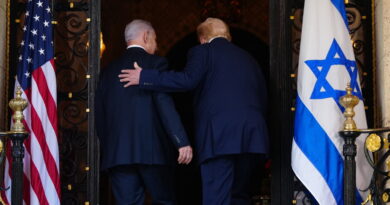
Trump launched the war on 28 February in partnership with the Israel Defense Forces (IDF).
The conflict quickly spiralled out of the US president’s control, causing regional destabilisation and a global economic shock. Tehran’s effective closure of the vital strait of Hormuz disrupted energy markets and made many basic products, including food, more expensive.
Despite killing the top layer of Iranian leadership on day one, including the late supreme leader Ali Khamenei, a new guard fwas swiftly appointed.
Is there a ceasefire in place?
A ceasefire was agreed on 8 April, but it is not a permanent end to the conflict.
Key issues are unresolved, including the freedom of passage for ships in the Gulf, restraining Israel from attacking its neighbours, checks on Iran’s nuclear ambitions and the lifting of sanctions on Tehran.
Iran says its nuclear programme is solely for generating electricity, but many governments want clear and enforceable agreements to prevent Tehran from ever making an atomic weapon. Trump ripped up an Obama-era nuclear deal but has not agreed a new version.
Why did Israel and Iran start fighting again?
Each side will have a version of “who started it”, but the key moment in the recent violence was Israel launching strikes on Beirut early on Sunday.
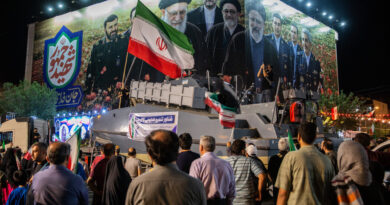
Tehran had said last week that it would consider any Israeli attack on the Lebanese capital a violation of the US-Iran ceasefire and would respond by attacking Israel, which it has since done.
Hasn’t fighting continued in Israel and Lebanon through the past few months?
Yes. The US, Israel and Iran stopped bombing each other in April, but Israel has continued to attack its northern neighbour and Hezbollah has continued to fire drones and rockets at Israel.
Hezbollah joined the war in March when it fired rockets at Israel in support of Iran, after which Israel launched an intense bombing campaign across Lebanon.
How does Lebanon play into the US-Israel war on Iran?
Israel has repeatedly invaded and occupied Lebanon over the past decades, and there is an influential political movement in Israel calling for the permanent seizure of Lebanese territory.
Israel’s war on Lebanon has also been intensely destructive, leading to a humanitarian crisis that has shocked world governments.
More than a million people – a fifth of Lebanon’s population – have been displaced, and Israeli strikes have killed at least 3,613 people. Hezbollah has killed at least 30 Israeli soldiers in Lebanon and three Israeli civilians.
Tehran insists Lebanon be included in a broader ceasefire deal, something Israel and the US have rejected. Trump told NBC News on Sunday that he was not demanding that Lebanon be part of any peace deal with Iran.
Is there a separate ceasefire in Lebanon?
Sort of. The Lebanese and Israeli governments have been negotiating directly in Washington and have agreed to a ceasefire.
But the deal lacks teeth because it is Hezbollah, not the Lebanese army, that is launching attacks on Israel, and the group has rejected the US-brokered truce.
The Lebanese government has been trying to reassert control over parts of the country where Hezbollah is strong and to eventually disarm the group. Hezbollah says it needs its weapons to prevent Israeli aggression.