Algeria begins work on Trans-Saharan gas pipeline to Europe
Algeria has started building a pipeline across the Sahara Desert to supply gas from Nigeria and the region to European customers as concerns over global energy security and disruptions in the Strait of Hormuz are adding fresh impetus to the long-delayed project.
What happened: Sonatrach will build the 1,210-kilometer (752-mile) section of the pipeline, which will be connected to an existing gas network in the southwestern Aoulef region that supplies Europe, Issam Gaba, director of pipeline studies at the state-owned Algerian energy company, said in a ceremony marking the start of construction on Thursday. Upon completion, the Trans-Saharan Gas Pipeline is expected to supply up to 30 billion cubic meters of gas to Europe each year.
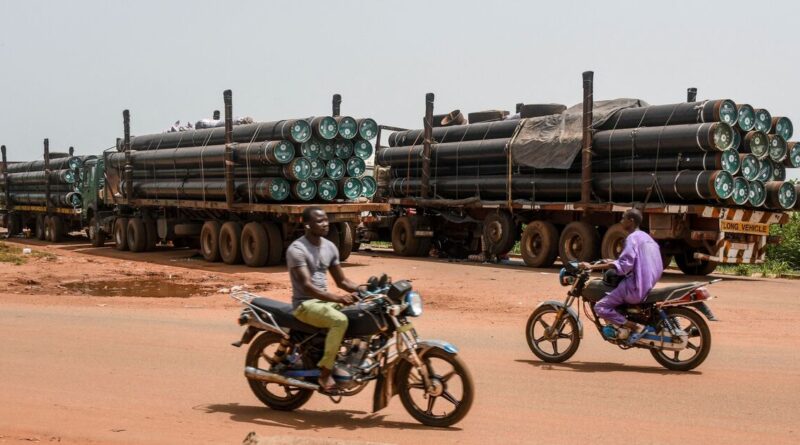
At the launch event, Algerian Energy and Mines Minister Mohamed Arkab and officials from Niger and Nigeria inaugurated the first welding operations for the pipeline.
The Algerian section of the pipeline will be connected to the Hassi R’Mel field, Africa’s largest natural gas field, south of the capital Algiers.
Why it matters: Europe continues to seek alternatives to both Russian and Gulf energy supplies. While the Trans-Saharan pipeline gained renewed attention after Russia’s 2022 invasion of Ukraine, disruptions to shipping through the Strait of Hormuz have further highlighted the importance of diversifying supply routes.
Algeria is already a major gas exporter to European countries including France, Italy and Spain. In 2024, it supplied the EU with between 39 and 40 billion cubic meters of gas, accounting for around 13-14% of total imports.
The entire pipeline, which was first proposed in the 1970s but has been plagued by delays, is expected to run 4,128 kilometers (2,565 miles) through Nigeria, Niger and Algeria with an estimated cost of $13 billion. The project has long faced questions over financing and security, particularly in Niger and northern Nigeria, contributing to decades of delays.
Nigerien Petroleum Minister Hamadou Tini told reporters at the pipeline launch in the Aoulef region that the construction work on a segment through Niger will begin in early 2027 in partnership with Sonatrach.
Know more: The pipeline is not the only Africa-to-Europe pipeline that has picked up momentum in recent months. In April, the head of Morocco’s Hydrocarbons and Mining Agency said that an intergovernmental agreement for the long-planned $25 billion Nigeria-Morocco gas pipeline will be signed this year.
The 6,900-kilometer (4,300-mile) African Atlantic Gas Pipeline is expected to have a maximum capacity of 30 billion cubic meters, including 15 billion cubic meters to supply Morocco and support exports to Europe, Reuters reported on April 13, citing an agency official.
The pipeline is slated to link 13 African countries and the existing Maghreb-Europe Gas Pipeline that connects Morocco to Spain.