
Match Group's CEO explains why dating apps intimidate Gen Z
The man behind Hinge and Tinder said Gen Z doesn’t want dating to feel like “a job interview.”
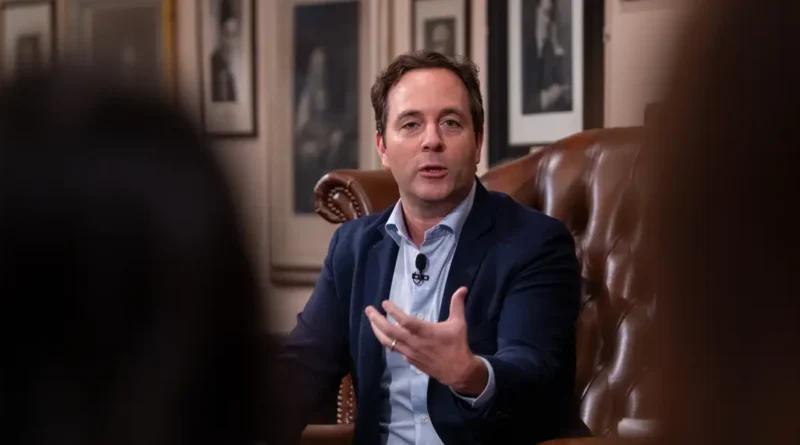
In a Tuesday earnings call, an investor asked Match Group CEO Spencer Rascoff about the rise of offline dating activities, such as run clubs and book clubs, and how they affect online dating.
The dating apps executive answered that Gen Z “desperately wants to connect” and meet new people.
“They just want to do it in a low-pressure, low-stakes way that doesn’t feel like a job interview,” Rascoff said.
He added that traditional dating apps are “highly structured and can be intimidating to a user under 30.” The rise of these offline dating events shows that Gen Z is seeking easy ways to find their significant others, he said.
To align its apps with the offline dating trend, Match Group has introduced several features that encourage users to go on dates or meet in person.
It is rolling out a “Direct to Date” function on Hinge that prompts users to go on dates immediately after matching, cutting out small talk. Rascoff said that in the testing stage of “Direct to Date,” users are “defaulting to familiar low effort date ideas like dinner, drinks, and walks.”
And in March, Tinder launched dating events where users could meet in person, starting with meet-ups in Los Angeles. It’s also trying to help users connect organically, with new features like “music mode” and “astrology mode,” to get users to share similar interests.
“We are embracing this trend of meeting people IRL at different, in different modalities rather than hiding from it,” Rascoff said.
Match Group has a large portfolio of dating apps, including Tinder, Hinge, and OkCupid. The group reported first-quarter revenue of $864 million, up 4% compared to the same period last year. Its stock price is up about 24% in the past year.
However, its biggest player, Tinder, is seeing its user base shrink. Rascoff said on the earnings call that Tinder’s monthly active users in March were down 7% compared to the same period last year. Traditional dating apps are losing favor with younger users, who are experiencing swipe fatigue.