
Photos show life in Western Sahara, a territory no country officially owns
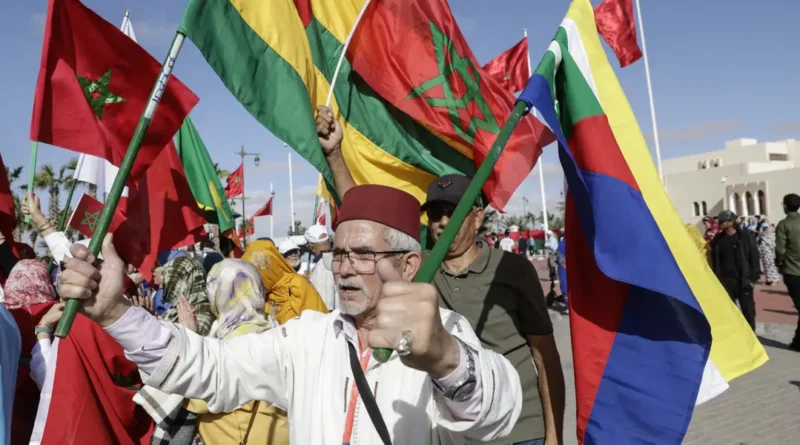
Spain withdrew its rule in Western Sahara amid increasing resistance from the Polisario independence movement, and Morocco soon ushered in 350,000 Moroccans in a demonstration known as the Green March. Neighboring Mauritania also laid claim to part of the territory, but withdrew by the end of the decade due to military force from the Polisario Front.
After conflict ensued between Moroccan forces and Polisario fighters, a ceasefire was agreed upon in the 1990s under the auspices of the UN. Under the agreement, a referendum on independence was envisioned for the Sahrawi people, but the vote never took place.
The territory is divided diagonally by a Moroccan-constructed Berm, lined with land mines.
Fighting has resumed in recent years, though a Moroccan proposal for Western Saharan autonomy under Moroccan authority was addressed by the UN Security Council in 2025. It said Morocco’s proposal should be taken as a basis for discussions toward “a final and mutually acceptable political solution that provides for the self-determination of the people of Western Sahara.”
Polisario leaders oppose the plan and instead advocate a referendum on independence.