Iran war is dimming outlook for many economies, IMF says
By Andrea Shalal
WASHINGTON, March 30 (Reuters) – The war in the Middle East has caused serious disruption to the economies of frontline countries, and is dimming the outlook for many economies that had just started to recover from previous crises, the International Monetary Fund warned on Monday.
In a blog published by the global lender’s top economists, the IMF said the war launched by U.S. and Israeli strikes against Iran on February 28 was causing a global, but asymmetric shock and leading to tighter financial conditions.
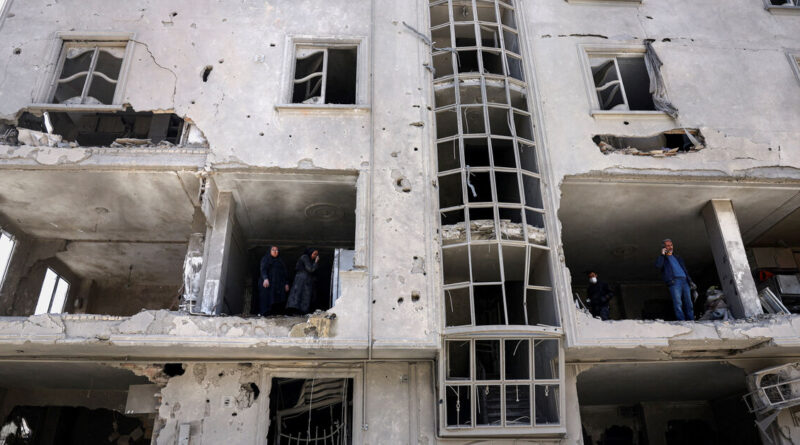
Iran’s closure of the Strait of Hormuz and damage to regional infrastructure had caused the largest disruption to the global oil market in history, according to the International Energy Agency. Much would depend on how long the war lasts, how far it spreads and how much damage it inflicts on infrastructure and supply chains.
The IMF said low-income countries were at particular risk of food insecurity, given higher food and fertilizer prices, and may need more external support at a time when many advanced economies were scaling back their international assistance.
“Although the war could shape the global economy in different ways, all roads lead to higher prices and slower growth,” the economists wrote.
The IMF said it will release a fuller assessment in its World Economic Outlook, to be published on April 14, during the IMF and World Bank spring meetings in Washington.
If elevated energy and food prices persist, they will fuel inflation worldwide, the authors wrote, noting that sustained oil‑price spikes have historically tended to push inflation higher and growth lower.
The war could also fuel expectations that inflation will remain higher for longer, which could translate into higher wages and prices, making it harder to contain the shock without a sharper slowdown, they said.
(Reporting by Andrea Shalal; Editing by Chizu Nomiyama and Andrea Ricci )