Iran Nobel winner Ebadi faces backlash over support for son of ousted shah
Iranian Nobel Peace Prize winner Shirin Ebadi was facing a fierce backlash Saturday from some Iranians for joining a transitional body the son of Iran’s ousted shah hopes will smooth his path to return to Iran.
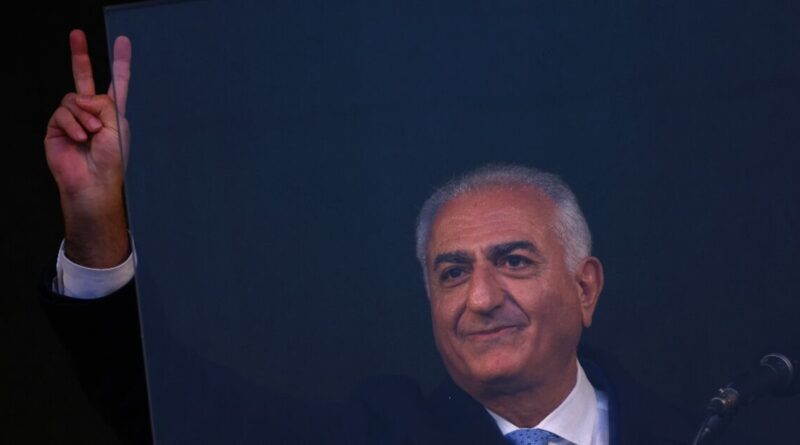
Reza Pahlavi, whose father Mohammad Reza was brought down by the 1979 Islamic revolution, has repeatedly said he is ready to lead a transition if the Islamic republic falls in the now month-long war against the US and Israel.
Earlier this month he named Ebadi, who also lives in exile but won the 2003 Nobel prize while still based in Iran, to lead a committee that would set up a truth-finding commission and court.
The move represented one of the most significant expressions of support he has received from a prominent Iranian civil society figure.
But Pahlavi represents just one of several Iranian diaspora groups, who are often bitterly at loggerheads, and Ebadi’s move infuriated some of those among the liberal and leftist currents.
Netherlands-based Persian-language outlet Radio Zamaneh published a letter it said was signed by 320 Iranian civil society figures and academics denouncing what signatories called a “fundamental change of direction” in Ebadi’s positions.
It suggested the Nobel committee should reconsider whether she was still worthy of the prize and accused her of backing the war: “Peace-seeking is not compatible with calling for bombing and destruction,” it said.
But in a message on X, Reza Pahlavi denounced Saturday what he said were “vile and malicious insults and attacks” against Ebadi and other members of her committee.
The attacks “by those who constantly speak of pluralism, dialogue, and unity demonstrate these individuals’ hypocrisy and double standards, and that they do not practice what they preach,” he said.
The tensions have again underlined the disunity within the exiled Iranian opposition which analysts have said is preventing the emergence of a unifying opposition figure to challenge the Islamic republic after the killing of supreme leader Ali Khamenei at the start of the war on February 28.
Ebadi has yet to comment on the current controversy but when she joined Pahlavi’s committee she said “no attempt to overthrow the Islamic republic will succeed unless there is a comprehensive solidarity and alliance against this criminal regime.”
Pahlavi was boosted by protesters chanting the name of the family dynasty during January rallies against the clerical system and then vast pro-monarchy rallies in February in Munich and several cities in North America.
But he has notably also failed to win recognition from US President Donald Trump, who has never officially met with Pahlavi and repeatedly expressed scepticism over his ability to lead Iran.
Under the shah, Ebadi was one of the first female judges in Iran and the first woman to lead Tehran city court.