How war has shifted Iran's missile ambitions beyond the Middle East
TEHRAN — An image published this week by the website of Iranian Supreme Leader Mojtaba Khamenei showed a missile-shaped clock hand pointing toward the 4,500–5,000-kilometer range markers, accompanied by the new leader’s recent instruction that any response to an attack should be “immediate, effective and without geographical boundaries.”
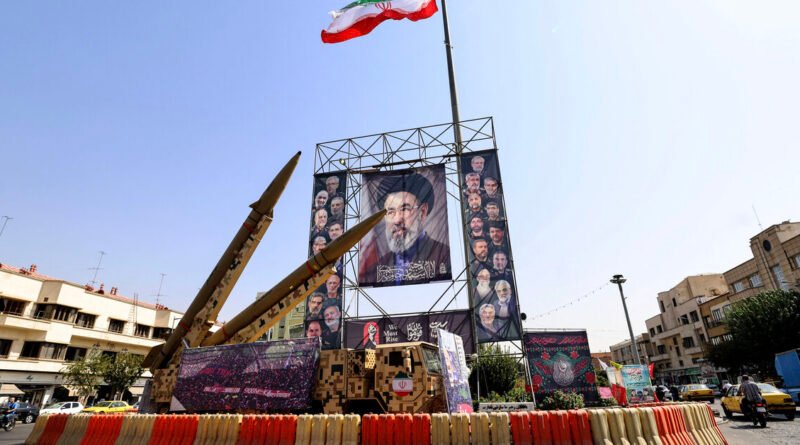
Coming days after the Islamic Revolutionary Guard Corps (IRGC) announced that Iran had lifted its self-imposed 2,000-kilometer (1,243-mile) missile-range restriction, the graphic signaled a significant change in the leadership’s public posture. Senior military officials have since portrayed the war not as a setback for Iran’s military ambitions but as an opportunity to accelerate them.
On Friday, IRGC commander Maj. Gen. Ahmad Vahidi told a group of students in Tehran that the force’s Aerospace Division was producing new achievements “one after another,” adding that its strength was “undoubtedly greater than in the first war.” According to Tasnim news agency, Vahidi claimed that the IRGC enjoyed “initiatives and operational capabilities” and was currently working on “epic” products.
The statements point to a strategic calculation taking shape under Mojtaba Khamenei: the war exposed the vulnerability of Iran’s military infrastructure, but also reinforced the leadership’s conviction that it needs a more powerful and geographically expansive deterrent.