With foreign aid slashed, Africa must 'own its own future', billionaire Ibrahim says
By Alexander Dziadosz
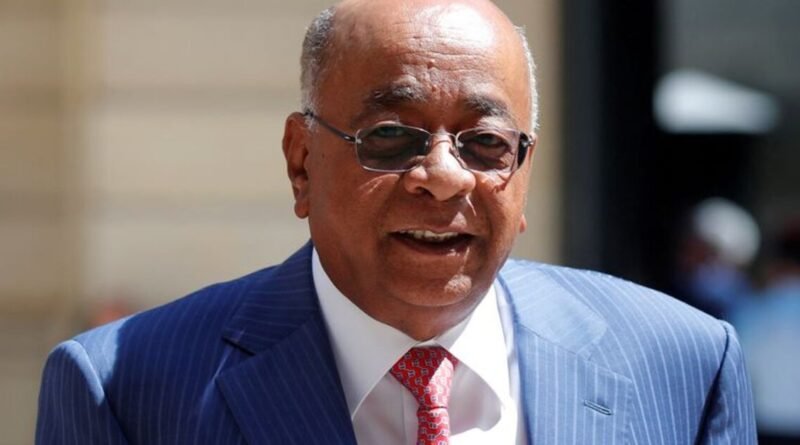
CAIRO, Nov 19 (Reuters) – African governments should use a slump in foreign aid as a chance to take control of their development by cracking down on tax loopholes and investing more domestic resources, British-Sudanese billionaire Mo Ibrahim has told Reuters.
Ibrahim, who made his fortune intelecoms before moving into philanthropy, oversees a foundation that produces an index of African governance examining the state of everything from human rights to armed conflict.
The 2026 index found a slight improvement in overall governance over the past decade, despite a deterioration in security, rule of law and respect for civilrights.
In an interview on Wednesday, Ibrahim said countries along a “conflict arc” extending from the Atlantic through the Sahel towards the Horn of Africa were increasingly becoming “ungovernable”.
But he said Africa had resources to improve the situation.
“Africa needs to own its own future and its own economy,” Ibrahim said, adding that theresponsibility for services such as healthcare and education fell primarily to governments.
“The message here is: Stop relying on the kindness of strangers.”
FALLING AID, LIMITED PROGRESS
This year’s index showed a “concerning” deterioration across all four of its major categories in Nigeria, Africa’s most populous country, while South Africa continued to slide, Ibrahim said.
But continent-wide, gains in economic opportunity and human development helped offset a reduction in security, with improvements in infrastructure, health and education.
Ibrahim said such progress could continue despite “cruel” cuts to foreign assistance.
Globally, overseas development aid from the world’s richest nations plunged by 23.1% in 2025, the largest-ever annual reduction, driven by US President Donald Trump’s elimination of USAID as a government agency.
“To cut aid in such a severe manner really risks some lives,” Ibrahim said. “People are in the middle of treatment … and then suddenly you take the oxygen mask away.”
Africa can compensate for the loss, he said, with serious efforts to tackle capital flight, illicit financial flows and tax manoeuvres utilised by major multinational companiesto shift profits to lower-tax jurisdictions.
A 2025 foundation report said that Africa loses an estimated $90 billion a year through capital flight, citing a 2020 UNCTAD report – more than it receives in official development assistance. Almost half of that figure is linked to extractive industries such as gold, it said.
Strengthened tax collection and an end to incentives such as tax holidays would also create significant additional financing, as would directing African pension and sovereign wealth funds to investment on the continent, Ibrahim said.
“If I’m not showing confidence in our own economies, how can we expect other people to come and invest?”
(Editing by Libby George and by Kevin Liffey)